China · 中国
This China route follows the food history of four regions and an everyday home table, from Sichuan's chilli jars to Jiangnan fish, northern wheat and Uyghur oasis cooking.
The story
Rice, wheat and millet
The staple changes with the landscape
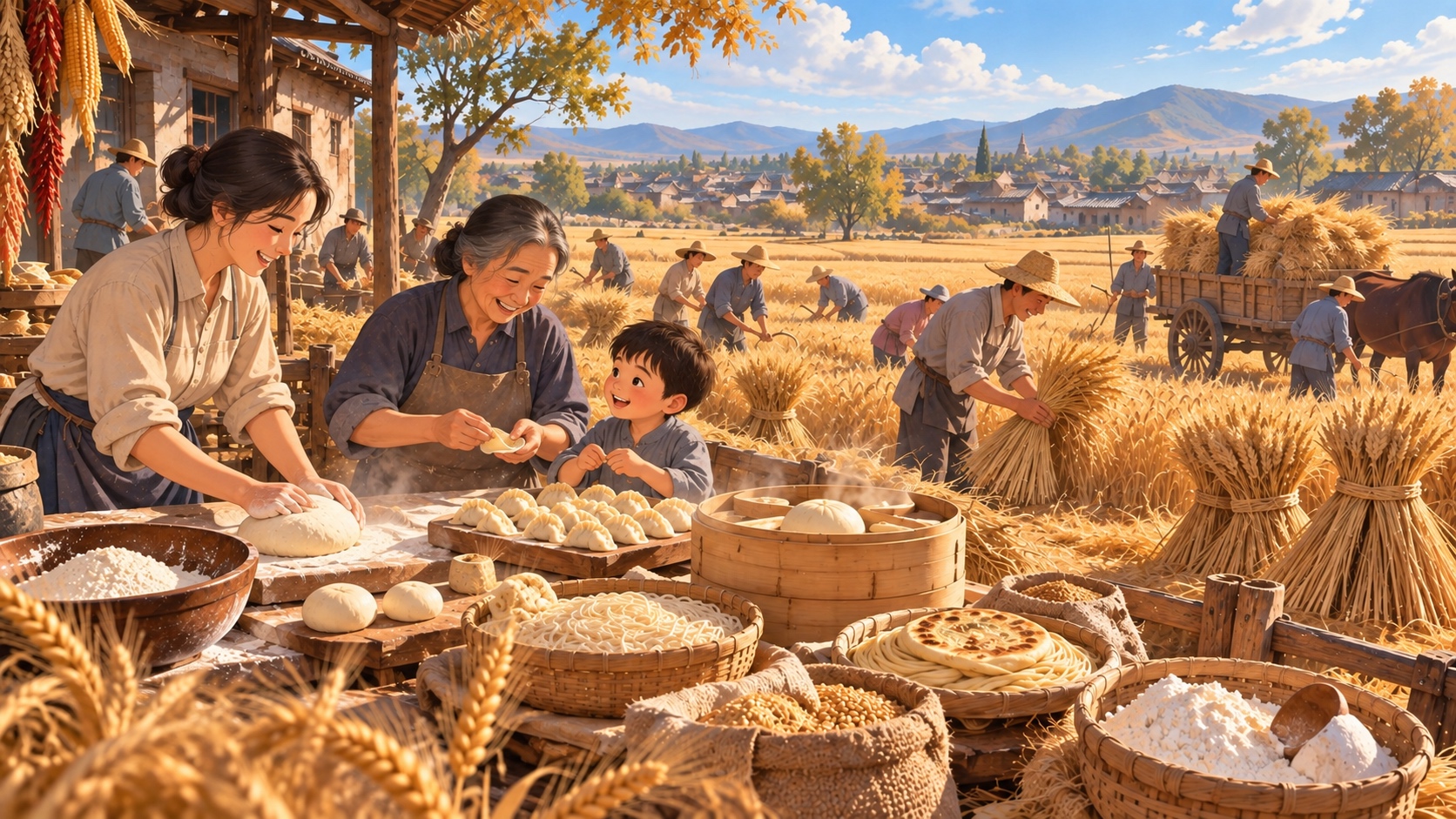
Rice fields shape meals along the Yangtze and through Sichuan. Drier northern farms grow wheat and millet, which become noodles, dumplings, steamed bread and porridge. Open the rice paddy, wheat harvest and home-kitchen cards to see how the grain reaches the table.
Sichuan · 四川
Fermented paste, pickles and a well-used wok
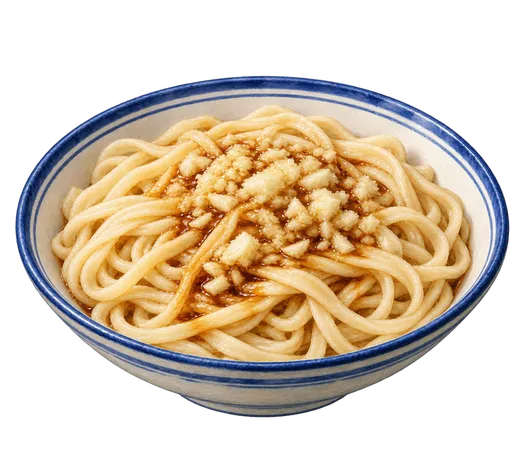
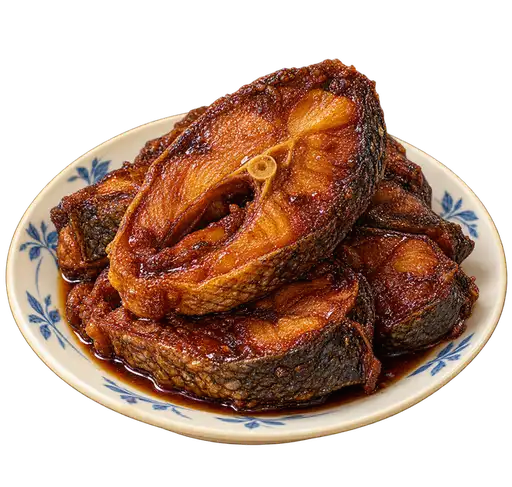
Sichuan cooks build dishes with chilli, the citrus tingle of Sichuan pepper, fermented broad-bean paste, garlic, ginger and preserved vegetables. Mapo tofu, twice-cooked pork and cold noodles show different uses for those seasonings. Visit the market, pickle jars, noodle shop and family wok.
Jiangnan · 江南
Fish, rice wine and gentle braises
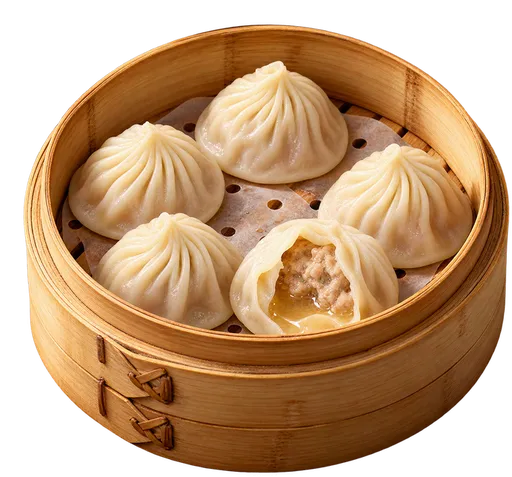
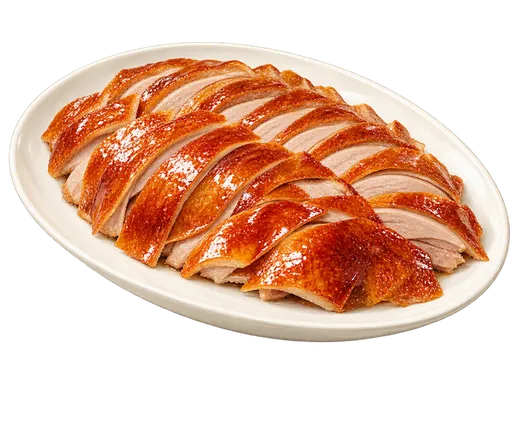
Jiangnan's waterways supply freshwater fish, crab, lotus root and water vegetables. Home cooks steam fish with ginger, braise pork with soy, sugar and yellow wine, and fold soup dumplings for breakfast. Teahouses, canal towns and market kitchens still serve these foods today.
Beijing and Xi'an · 北京与西安
Dough work for cold, dry country
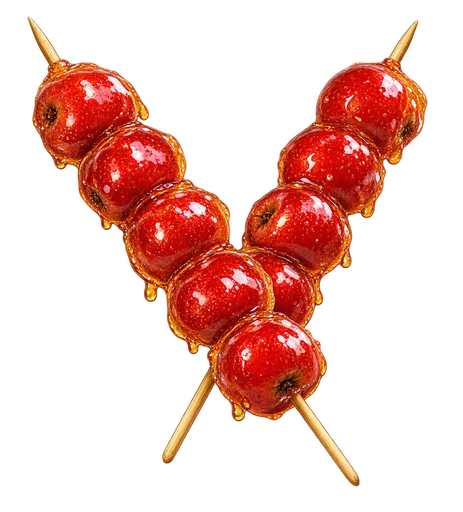
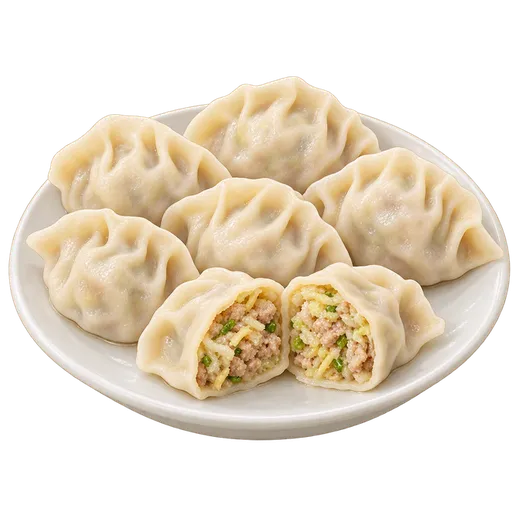
Northern tables use wheat for boiled dumplings, hand-cut noodles, mantou and griddle breads. Vinegar, garlic, cabbage, lamb and preserved vegetables bring flavour through winter. Find them in dumpling houses, noodle shops, breakfast stalls and family kitchens across northern cities.
Xinjiang · Shinjang
Oasis farms and Uyghur food
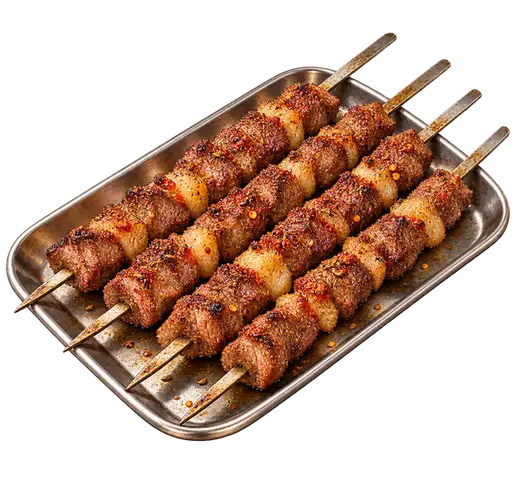
This chapter focuses on Uyghur cooking: nan baked against a hot oven wall, lamb skewers with cumin, polo rice with carrots, hand-pulled laghman noodles, grapes and dried fruit. Markets and family restaurants carry these foods across Xinjiang and into cities elsewhere in China.
Guangzhou and Hong Kong · 广州与香港
Fresh, steamed and shared at the table
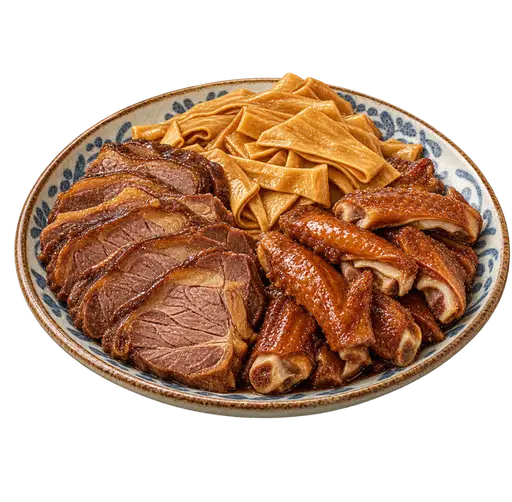
Cantonese cooks value freshness and cook quickly: steaming, a hot wok, light seasoning. Guangzhou was China's only foreign trade port from 1757 to 1842, and its cooks took in ingredients and ideas from abroad. Morning tea fills tea houses with steamed dumplings, roast meats hang in shop windows, and fish are picked live from tanks. Hong Kong adds its own tea restaurants and milk tea.
Tea at home and outside
Leaves, water and time to sit
Green, black, oolong, white, yellow and dark teas begin with different ways of handling the leaf. Tea may arrive with breakfast, during a visit or through a long afternoon in a Chengdu teahouse. Open the tea-hill and teahouse cards to compare farming, processing and drinking.
Food today
Regional food travels while home cooking stays personal
These dishes now appear in breakfast stalls, canteens, food courts, specialist restaurants, delivery kitchens and homes across China. Cooks shorten long methods for weeknights and carry regional dishes into new cities. The village market shows how people buy those foods for one ordinary meal.
In this world
- Chengdu & Chongqing · 成都与重庆Sichuan cooking: chilli, numbing pepper and the fiercest woks6 rooms · 12 cards
- Shanghai, Hangzhou & Suzhou · 上海、杭州与苏州Jiangnan cooking, from the water towns: gentle, sweet, slow-braised9 rooms · 7 cards
- Beijing · 北京Beijing cooking: roast duck, copper-pot mutton, hutong breakfasts and the winter table10 rooms · 3 cards
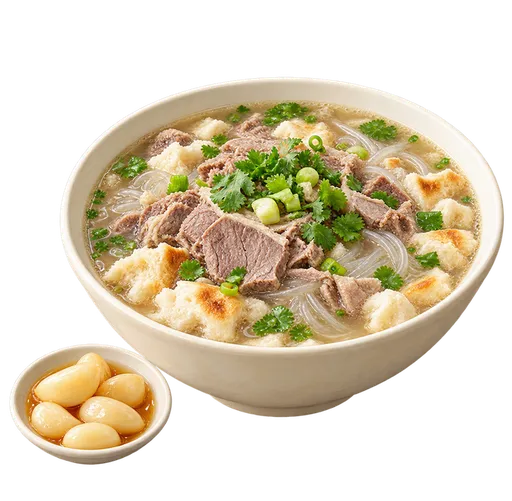
- Xi'an & Shanxi · 西安与山西the loess wheat country: noodles, flatbreads, mutton soups and Shanxi's black vinegar9 rooms · 5 cards
- Xinjiang · Shinjangthe oasis road west: lamb, nan, polo, grapes and the caravan12 rooms · 4 cards
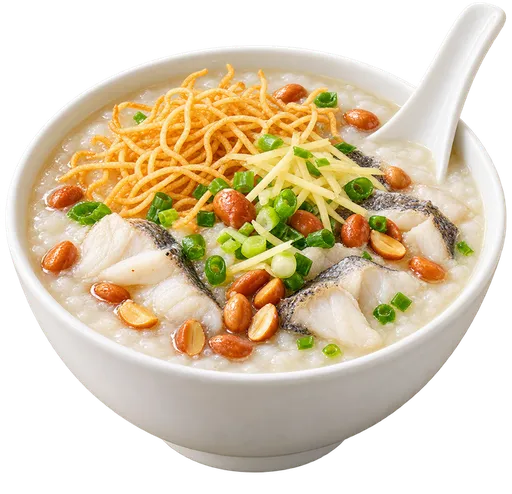
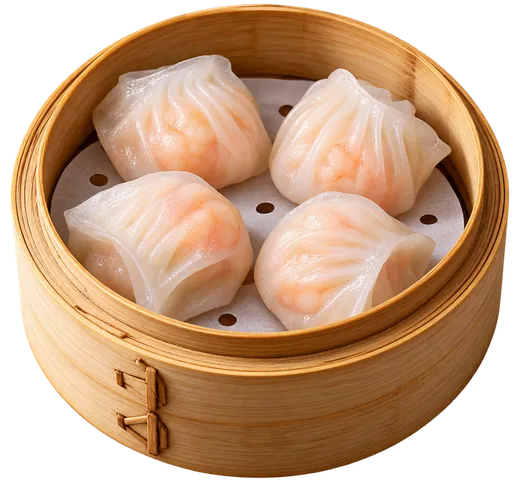 Guangzhou & Hong Kong · 广州与香港Cantonese cooking on the Pearl River: morning tea, roast meats, rice rolls, congee, claypot rice and the Hong Kong tea restaurant10 rooms · 9 cards
Eating in China
What to eat in each city, how to read the menu and what to say.