Eating in China
What to eat in China
Chinese-language food knowledge, put in a form a visitor can use: where each city eats, what the menu words mean, what to say and how to pay.
Pick your city
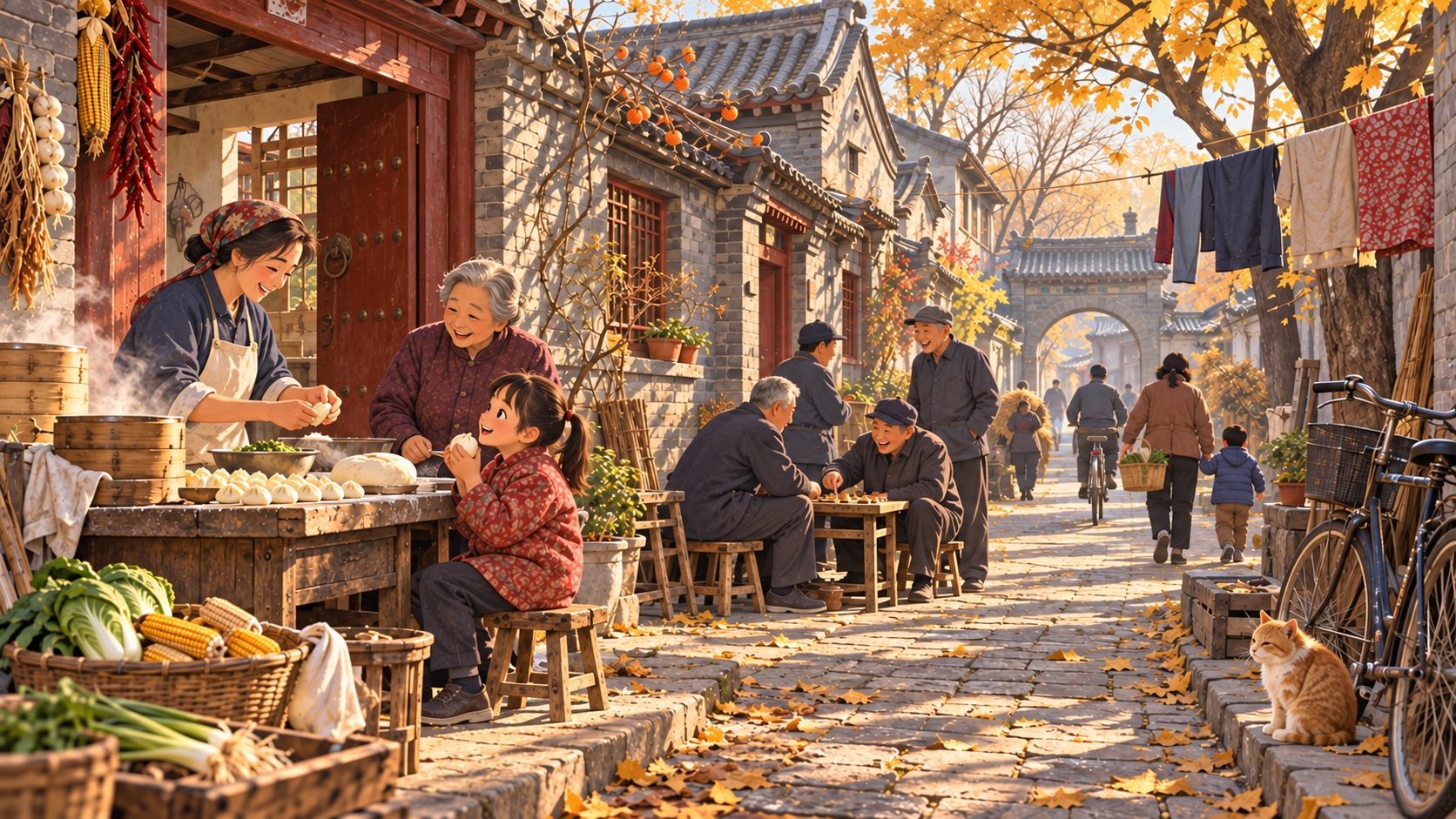
- Beijing北京 BěijīngBeijing breakfast is a bowl of thick liver stew or sour bean juice, with a bun or a ring of fried dough.
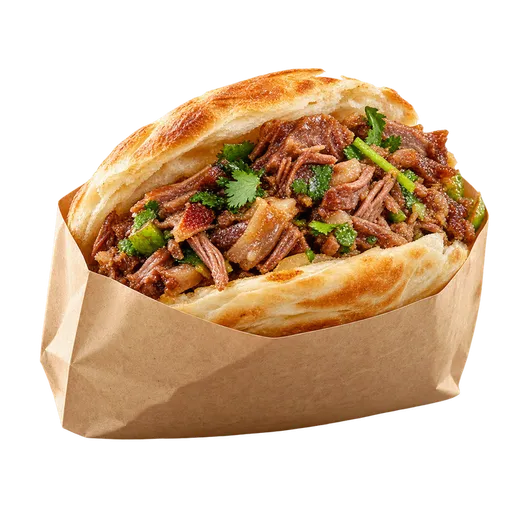
- Xi'an西安 Xī'ānXi'an breakfast is a thick pepper soup with meatballs, and at lunch you tear your own bread for the mutton soup.
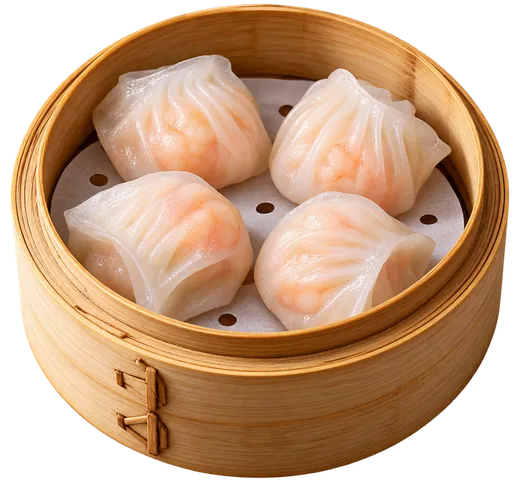
- Guangzhou广州 GuǎngzhōuGuangzhou starts the day with a pot of tea and two small dishes, and ends it with roast meats, claypot rice or a late bowl of congee.
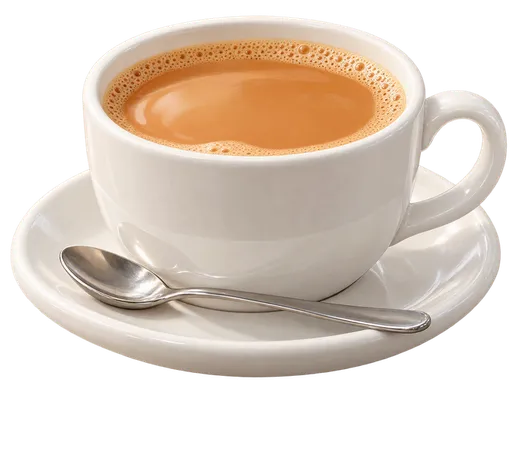 Hong Kong香港 XiānggǎngHong Kong pulls its milk tea through a cloth strainer and eats a set meal at the counter of a tea restaurant.
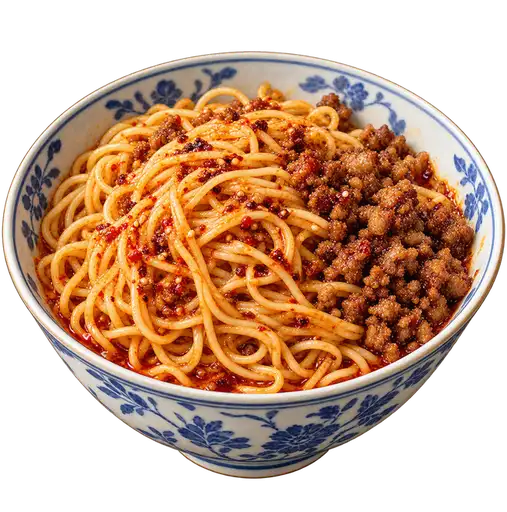 Chengdu成都 ChéngdūChengdu eats small bowls at any hour, shares a table of Sichuan classics for dinner and spends the afternoon in a teahouse.
- Chongqing重庆 ChóngqìngIn Chongqing you order noodles by the liang, a 50 g measure, and "a little chilli, less numbing pepper" says all the cook needs to know.
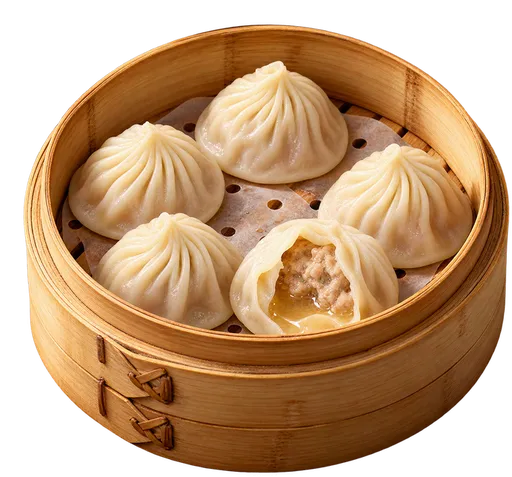 Shanghai上海 ShànghǎiShanghai breakfast has a nickname, the four heavenly kings: a flatbread, a dough stick, a rice ball and soy milk.
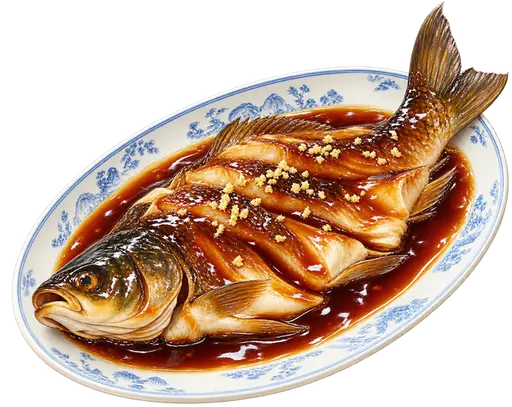 Hangzhou杭州 HángzhōuHangzhou starts the day with a bowl of pianerchuan and has written an official recipe for West Lake fish.
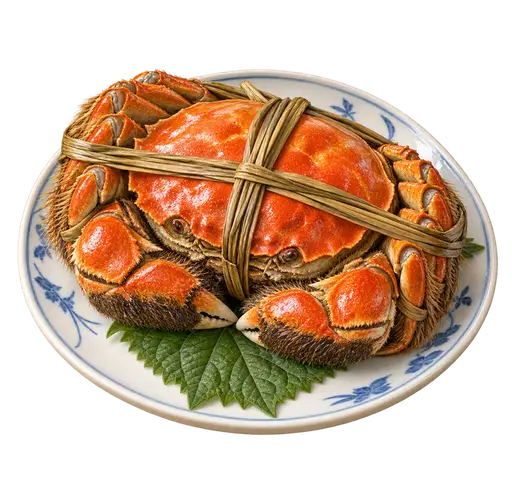 Suzhou苏州 SūzhōuIn Suzhou you ask for your noodles firm or soft, with more soup or less, and the hero of the city's best-known food novel eats only from the first pot of the day.
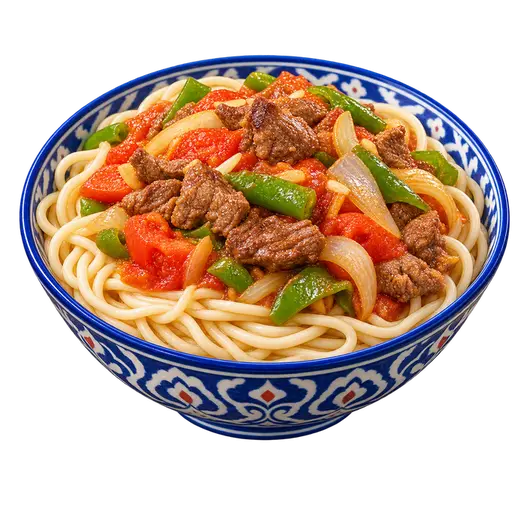 Ürümqi乌鲁木齐 WūlǔmùqíLaghman noodles, big-plate chicken, skewers and nan: the city table you will find in the Xinjiang rooms.
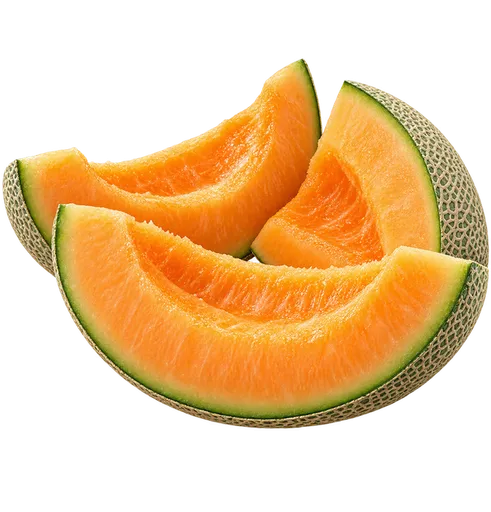 Kashgar喀什 KāshíNan from the clay oven, polo, skewers and the fruit of the bazaar: the oasis table the Xinjiang rooms are built on.
Before you sit down
What holds in every Chinese city: how to order, how to pay and what to say to the waiter.
Four lines to start with
我想要这个,谢谢。
wǒ xiǎng yào zhège, xièxie
I would like this one, thank you
- Use it
- Pointing at a dish or a photo
- Before you rely on it
- Already in the app as the waiter line.
不要辣
bú yào là
No chilli, please
- Use it
- Stir-fries and noodles
- Before you rely on it
- Dishes built on chilli (水煮牛肉, mapo tofu, 剁椒鱼头) cannot be made mild, so pick another dish. Chilli can also be in the oil, the sauce and the broth.
我吃素
wǒ chī sù
I am vegetarian
- Use it
- The first line at a restaurant
- Before you rely on it
- It may be understood as "no visible meat". Meat stock, lard or a little meat may still be in the dish, and chicken may not count as meat to a cook. Add the next lines and ask the question after them.
Show with it: 不要肉,不要鱼,不要鸡蛋, 这个菜里有肉吗?
买单 / 结账
mǎidān / jiézhàng
The bill, please
- Use it
- Calling a waiter at the end
- Before you rely on it
- 买单 is the everyday spoken call and 结账 the formal word; both are understood. Tipping is not expected.
Paying
Pay with Alipay or WeChat Pay
Alipay and WeChat Pay both let a visitor link a foreign card and pay by scanning a QR code, with no Chinese bank account. In December 2023 Alipay needed no prepaid account or Chinese phone number to link a card. Set both up before you land, on wifi.
Checked October 2026
Sources
Checked October 2026