Landmark · Xinjiang · Shinjang · China
Mountains and snowmeltTengritagh
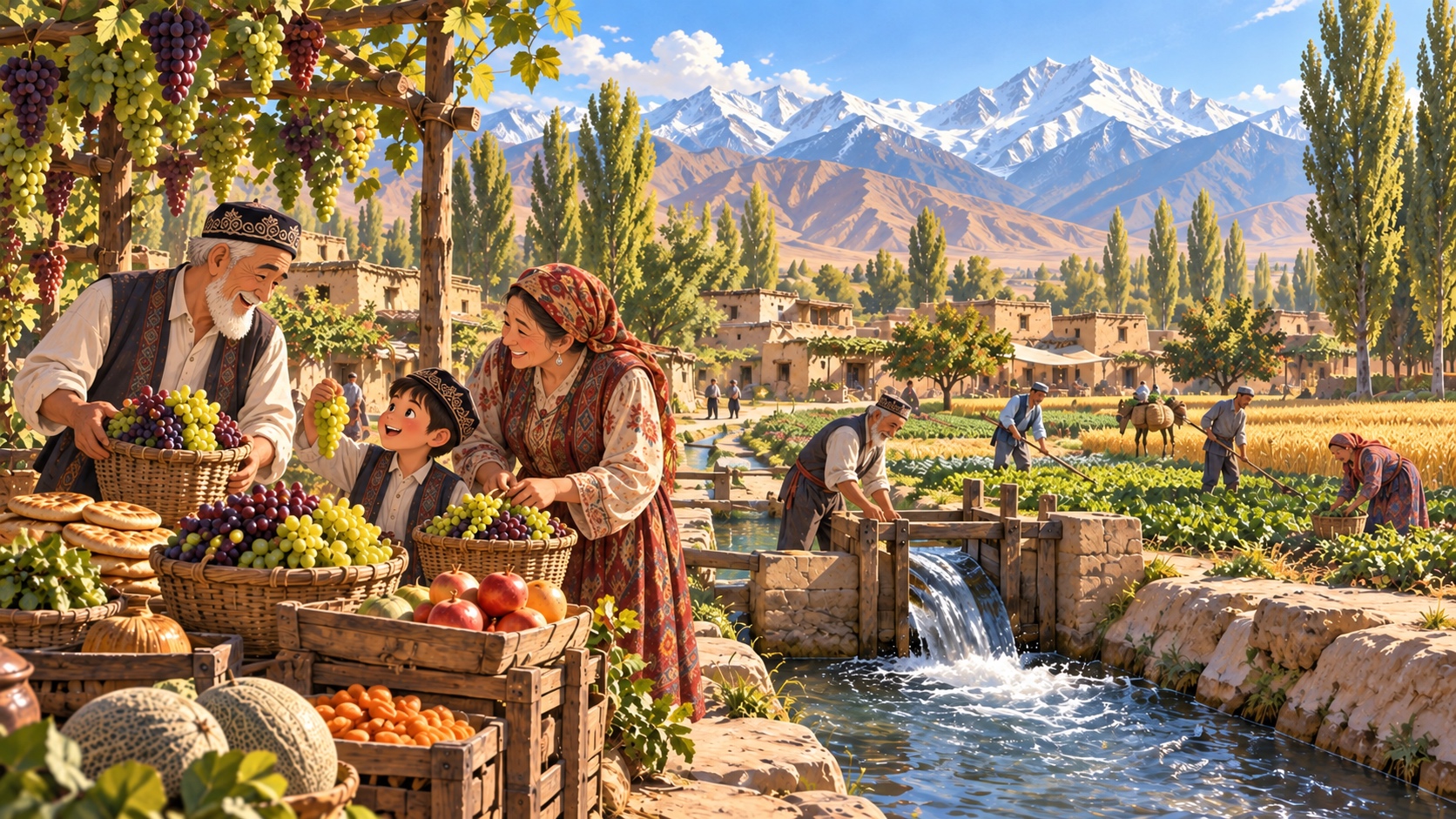
Snow on the Tianshan all summer, and the cold channel it becomes running past the wheat and the melon patch.
What to look for
Mountains feed an oasis
Snow and glacier melt from the Tianshan help supply rivers and irrigation downstream. A green oasis can depend on water that began far above the fields.
Crates of apricots
Apricots go into wooden crates at harvest. The rest are dried for winter, and the kernels are cracked open and eaten as snacks.
The story
Snow on the peaks all year, melting into channels that make the oases green below.
The Tianshan, the heavenly mountains, run for two and a half thousand kilometres across the middle of Xinjiang and divide it into two basins: the Junggar to the north with its grassland and Kazakh herders, the Tarim to the south with the Taklamakan desert and the oasis towns around its rim. Their glaciers and snowfields are the region's water tower. Meltwater runs down in summer into rivers that vanish into the sand within a few dozen kilometres, and every oasis sits where a river leaves the mountains.
From the fields you see the white peaks above the poplars and the wheat, and the channel of cold water running past the melon patch is the same snow a few weeks later. Apricots, wheat, grapes, melons and the flocks of sheep all live on it.
What this kitchen cooks
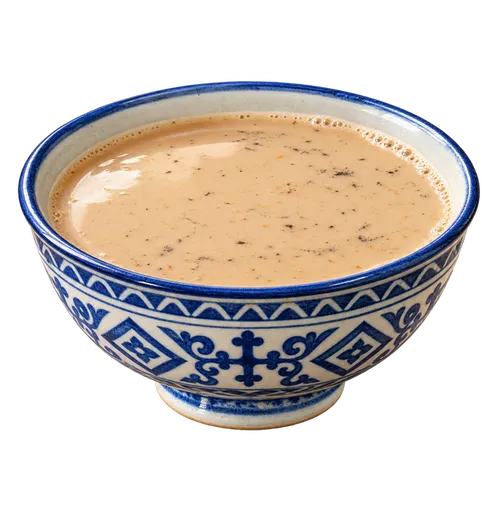
- Milk tea奶茶Brick tea boiled with fresh milk and salt in the summer pasture and drunk from a bowl all day.
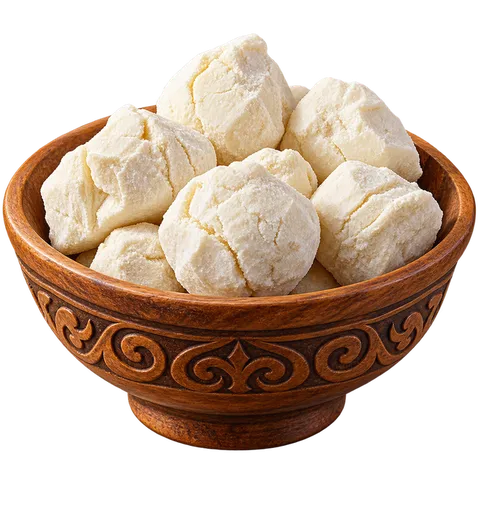 Kurut · dried sour-milk cheese奶疙瘩Sour milk drained, salted and dried hard on the tent roof, kept as the herders' cheese for winter.
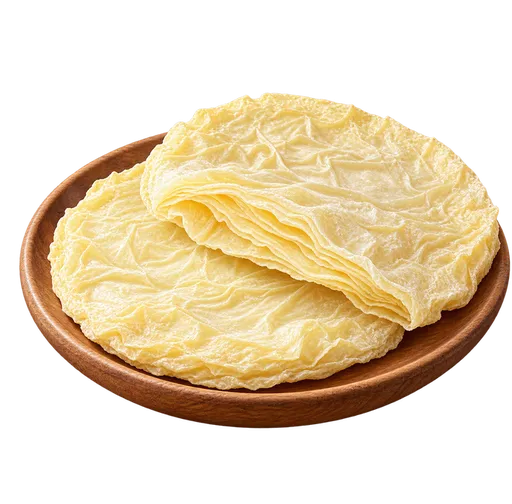 Milk skin奶皮子The skin lifted off boiled milk and dried into a disc, eaten with bread and with tea.
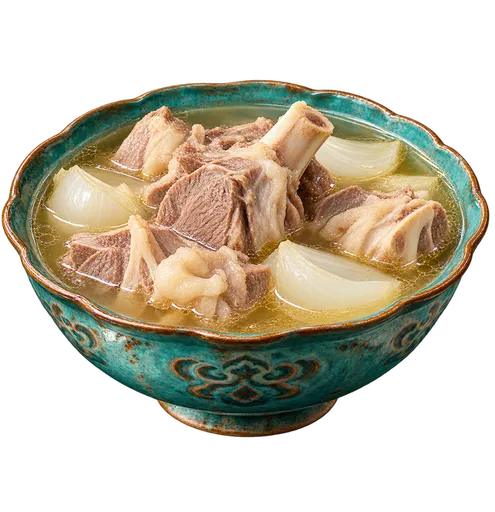 Boiled high-pasture mutton清炖羊肉Sheep grazed on the snowmelt grass, boiled with onion and salt, and the broth drunk after the meat.