Ingredient · Burgundy, Lyon & the Alps · Bourgogne · Lyon · Alpes · France · around 1900
The high pastureAlpage
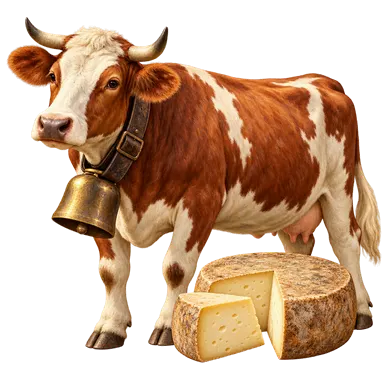
Cows with bells on the summer grass that becomes cheese.
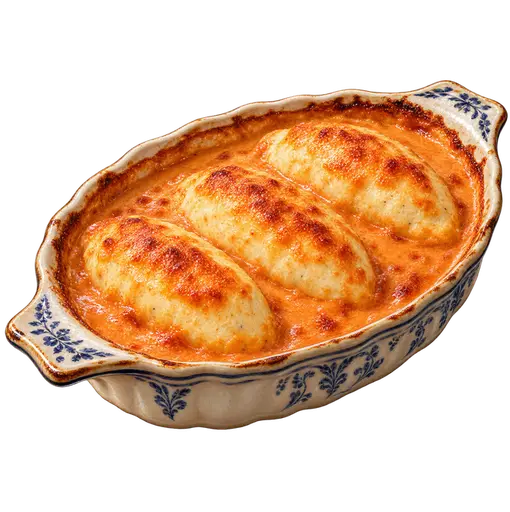
The story
From June to October the dairy cows of Savoie and Haute-Savoie graze on high pasture. Tarine cows have a fawn coat, and Abondance cows have a white head and pale horns. Their milk becomes Beaufort, Reblochon and other mountain cheeses. Summer Beaufort is made from June to October from pasture-fed cows, and Beaufort d'alpage is made at about 1,500 metres in small batches from a single herd.
When the grass ends, herds walk back down. In Annecy the return is a festival on the second Saturday of October, with more than 600 animals parading through the old town. Stalls serve Savoyard dishes such as tartiflette and diot au vin blanc, sausage in white wine. In winter the cows are housed in the valley, and the milk goes into winter Beaufort, made from November to May.
Taste a slice of alpine cheese, then a slice of winter cheese, and notice how the grass changes the flavour.
Today
Many herds now reach the high pastures by lorry, though some still walk up in early summer.
What people make with it
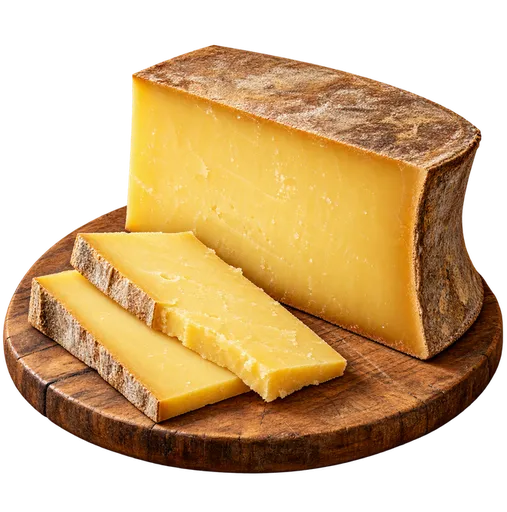 BeaufortLe beaufortMilk heated in a copper vat is cut into curd, lifted out in a linen sling and pressed into large wheels.
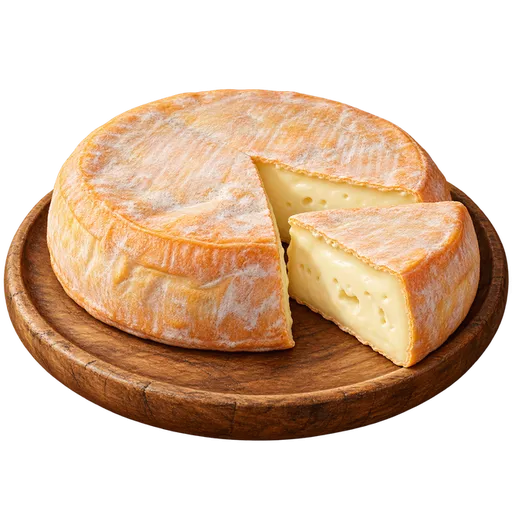 ReblochonLe reblochonA soft, round, washed-rind cheese from the Savoie mountains, rich and creamy, with a pale orange rind and a mild, nutty taste.
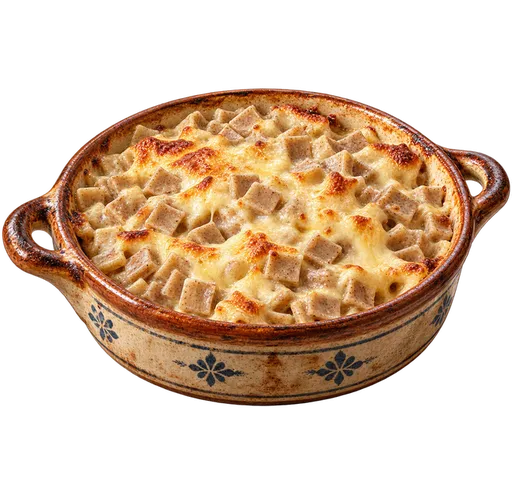 CrozetsLes crozetsSmall square pieces of buckwheat or wheat pasta boiled and served in a dish with melted cheese or cream.