Workshop / producer · Alsace & Champagne · Alsace · Champagne · France · around 1900
The press and the chalk cellarCave champenoise
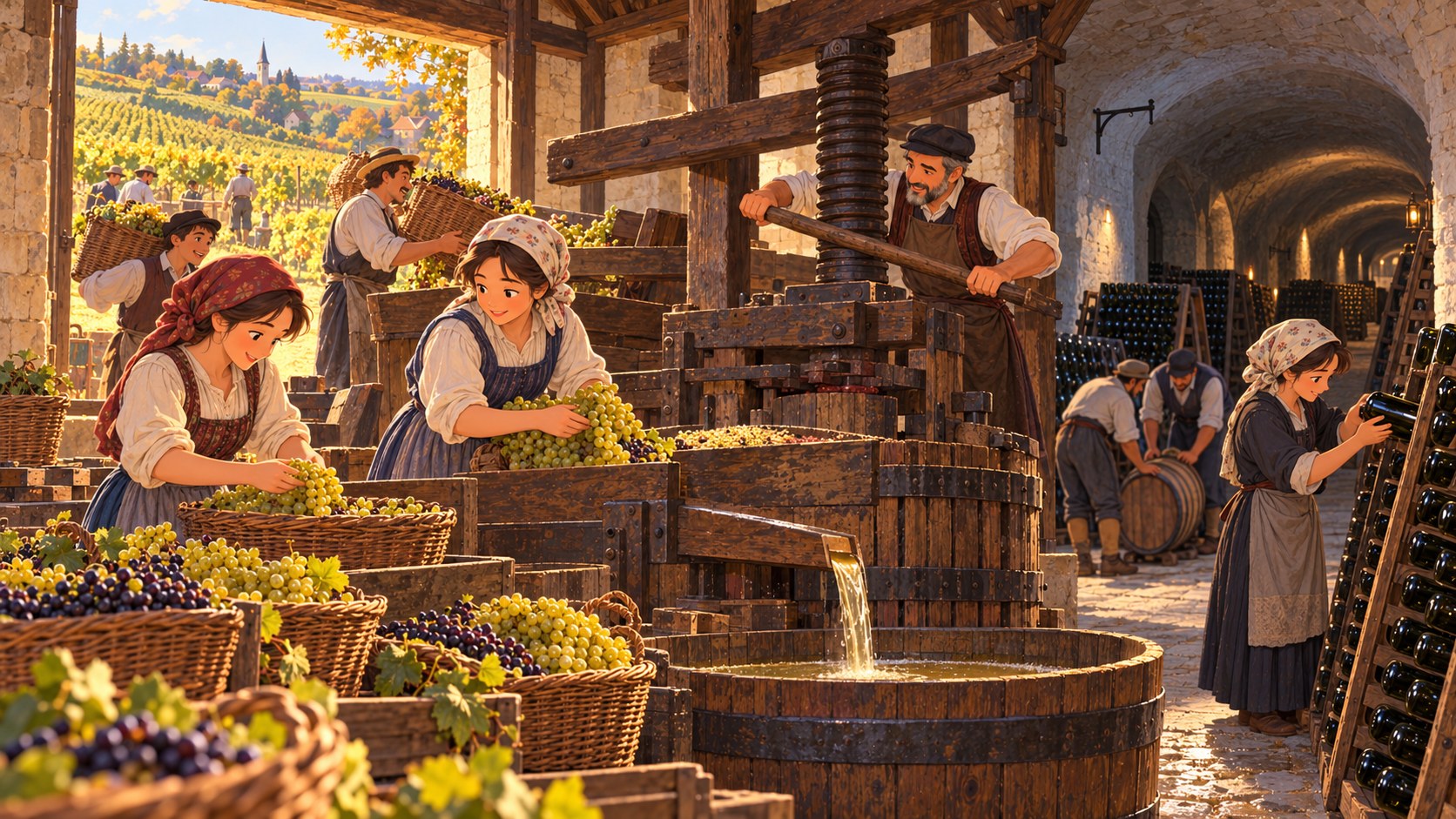
Grapes pressed in a great wooden press beside the vines, and bottles turned by hand in the riddling racks of a chalk cellar.
What to look for
The riddling rack
Every day each bottle in the rack is given a sharp quarter turn and tilted a little more upright. This brings the sediment down into the neck. The first rack is credited to the Clicquot house, around 1816.
The wooden press
Presses stand beside the vineyards, so the grapes travel as little as possible before pressing, which keeps the juice pale.
The chalk cellar
Champagne's chalk cellars, many dug in the 18th century, are part of a UNESCO World Heritage site listed in 2015.
The story
Bottles turned by hand in chalk cellars, a little each day.
Champagne ages in cellars cut into chalk. Under Saint-Nicaise hill in Reims, old chalk quarries became cellars from the eighteenth century. They stay dark, still and humid at a constant 11 degrees Celsius, and their galleries run for some 57 kilometres.
Riddling, remuage in French, clears the yeast deposit from each bottle. Bottles rest neck down in wooden A-frame racks called pupitres, and a remueur gives each a small twist to the left and then to the right. A bottle goes through 26 to 30 such turns over about six weeks, and the best workers handled tens of thousands of bottles a day. Tradition credits the widow Clicquot with the first rack, around 1816, made from a kitchen table with angled holes. A pupitre for 120 bottles was patented in 1864.
Machines now do much of the turning. UNESCO listed the Champagne hillsides, houses and cellars in 2015, and you can visit cellars in Reims and along the Avenue de Champagne in Épernay.
Today
From the 1970s, machines called gyropalettes took over most riddling. Hand turning survives for a few prestige bottles.
What this kitchen cooks
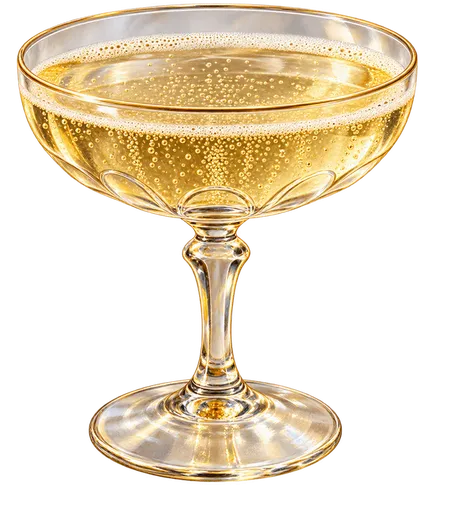
- ChampagneLe champagneWine is bottled to ferment again, then each bottle is hand-turned and tilted in a riddling rack until the sediment settles.
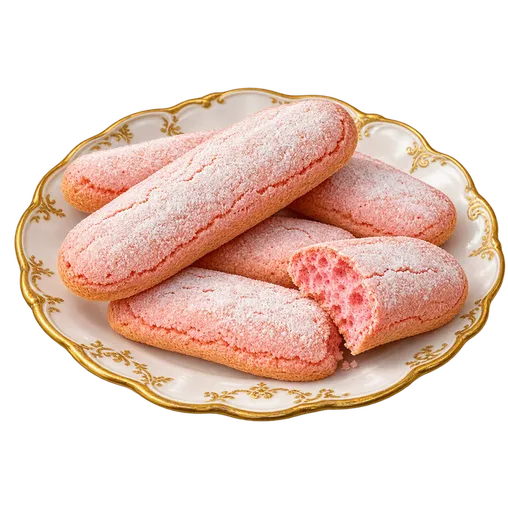 Pink biscuit of ReimsLe biscuit rose de ReimsA light, dry, pink-tinted biscuit made to be dipped in a glass of champagne, flavoured with vanilla.
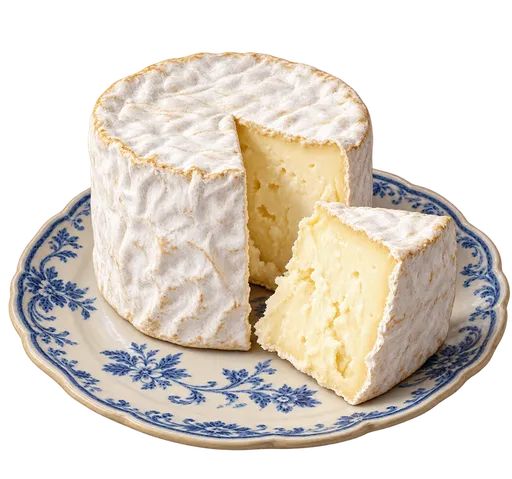 ChaourceLe chaourceA soft, creamy cow's-milk cheese with a white bloomy rind, made in the same cool chalk country as the wine.
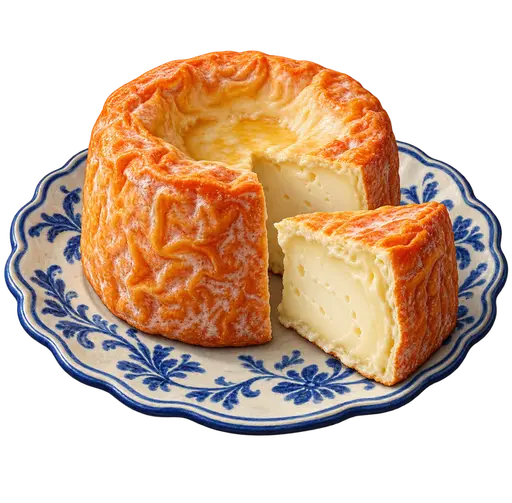 LangresLe langresA small, strong cheese with an orange rind and a hollow on top, often splashed with local spirit as it ripens.
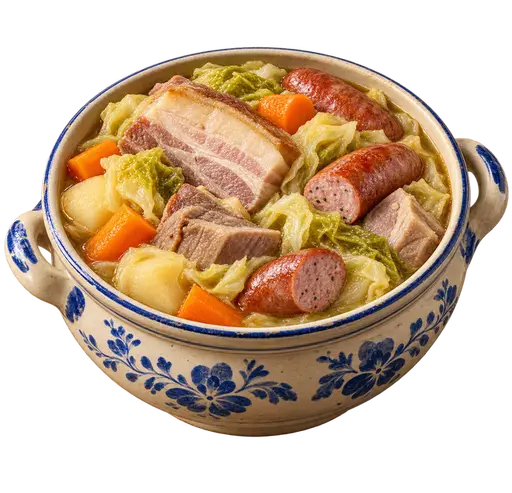 Champagne boiled porkLa potée champenoisePork, sausages, cabbage and root vegetables simmer in one big pot, the warming dish of the vineyard winter.
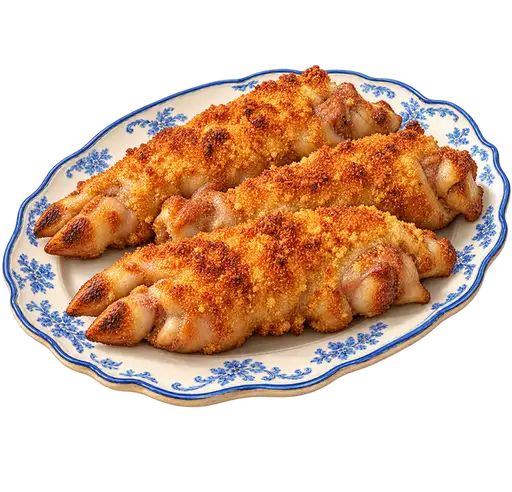 Pigs' trotters of Sainte-MenehouldLes pieds de porc à la Sainte-MenehouldTrotters cooked slowly until the bones are soft, then breaded and grilled, a specialty of the small town in the Marne.