Ingredient · Normandy & Brittany · Normandie · Bretagne · France · around 1900
The Norman cowsVaches normandes
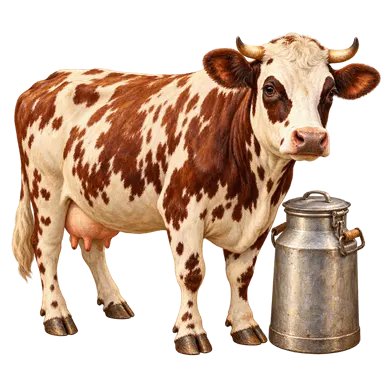
Brown-and-white cattle on orchard pasture, and the milk that becomes butter.
The story
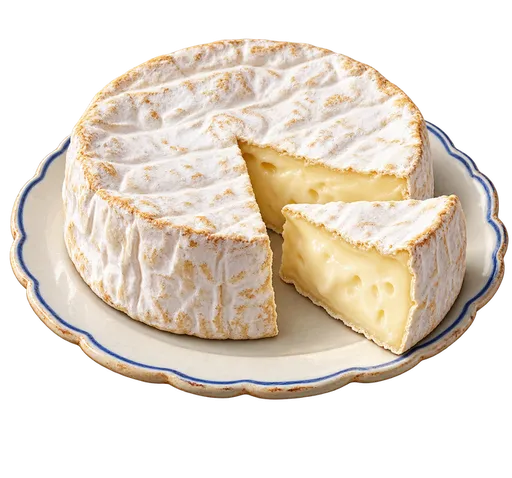
Normande cows are white with chestnut-brown patches, often with a ring of colour around each eye. Their milk ranks at the top among French dairy breeds for protein, which helps the curd set firmly for cheese. Camembert de Normandie has to come from at least half Normande cows, and its cows must graze outdoors for six months a year.
Butter shows the pasture best. For Beurre d'Isigny, the protected butter from around Isigny-sur-Mer, at least thirty percent of the milk comes from Normande cows that graze for at least seven months. Grass rich in carotene gives the butter its golden buttercup colour and a light hazelnut taste. It holds at least 80 to 82 percent fat and stays stable in cooking, which bakers like for pastry.
Isigny butter, salted or half-salted, is best on plain bread beside a ripe Camembert.
Today
Hand milking gave way to milking machines in the twentieth century. The Normande is still raised for Camembert and Isigny butter.
What people make with it
- Camembert de NormandieLe camembert de NormandieRaw milk from Normandy cows is ladled into moulds, turned by hand, drained and left to grow its soft white rind.
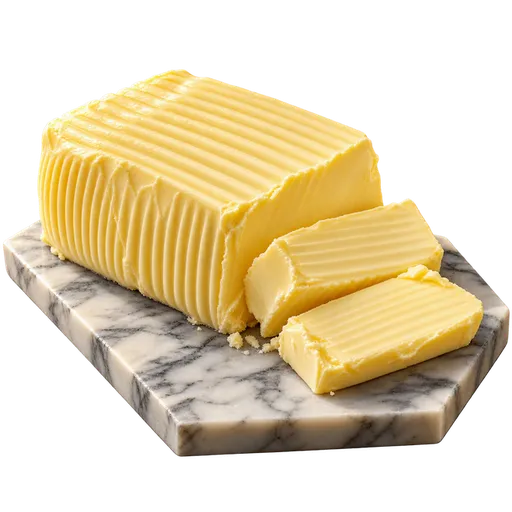 ButterLe beurreCream from the morning milking is churned and worked with wooden paddles until the buttermilk runs out and it holds its shape.
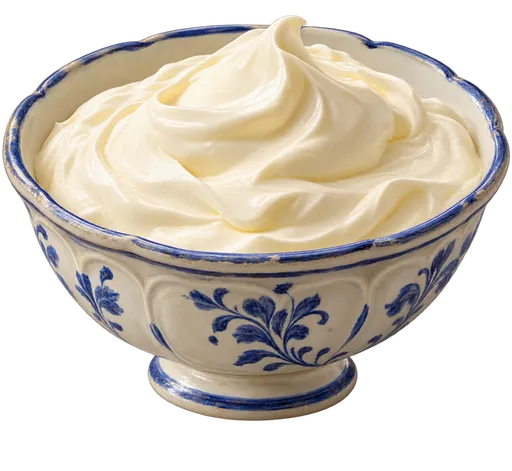 Thick creamLa crème fraîcheRich Norman cream, thickened slowly and spooned over apple tarts, sole and potatoes, is one of the dairy's most valued products.