Workshop / producer · Provence & Marseille · Provence · Marseille · France · around 1900
The lavender fieldLavandière
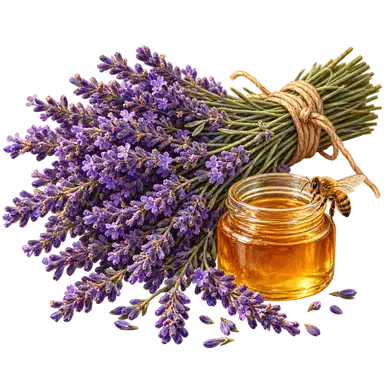
Cut lavender, and the bees that turn it into honey.
The story
Lavender has been worked in Provence for a long time. One family in the Luberon has distilled lavender since 1890, and its museum holds stills from the sixteenth century to the present. The flowers are cut in summer and steamed in a still to yield an essential oil, used for scent and soap.
The food of the lavender field is honey. Provence honey has held a protected geographical indication since 2005, and lavender honey is a summer product. Hives stand in the lavender zones of the Luberon, Mont Ventoux and the Albion plateau, and on the Valensole plateau. Beekeepers have moved their hives from season to season, first by horse-drawn cart. Hollow tree-trunk hives, the bruscs, later gave way to ordinary hives.
Lavender honey goes on bread or into tea, and the markets of Provence sell it straight from the beekeeper.
Today
Most lavender fields seen today grow lavandin, a hybrid that yields more oil, and machines do most of the harvest.
What this kitchen cooks
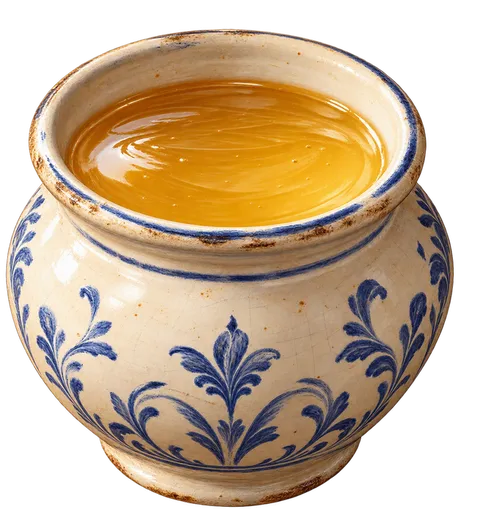 Lavender honeyLe miel de lavandeBees from the skeps among the rows gather nectar from the flowers and make a pale, scented honey for bread.
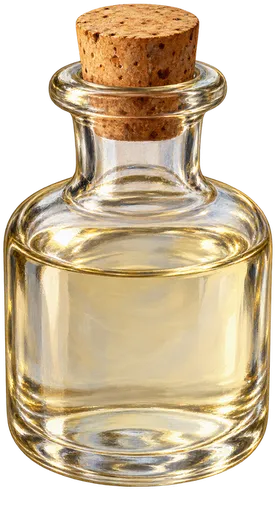 Lavender oilL'huile essentielle de lavandeCut bundles are steamed in a still, and the essential oil that comes off is used in soap, cloth and remedies.
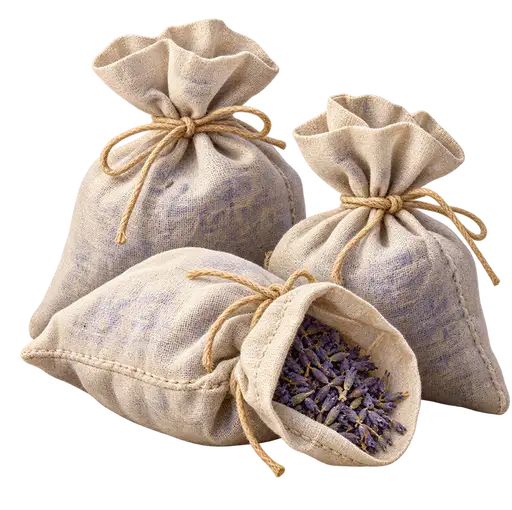 Scented linenLes sachets de lavandeDried flowers are sewn into small linen bags and tucked among sheets and clothes in the cupboard for their scent.