Ingredient · Valencia & the Coast · València · Spain · around 1900
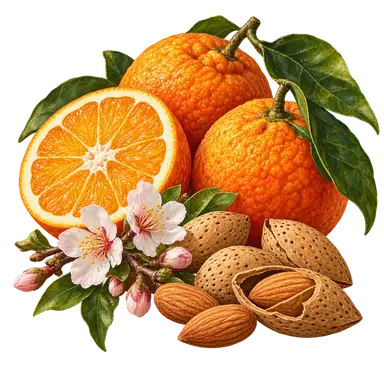
Oranges & almondsNaranjas y almendras
Seville's bitter oranges and the almond blossom of February.
The story
Bitter oranges reached Spain with the Moors around the 900s, and Seville still lines its streets with them for scent and shade; the English turned the fruit into marmalade. The sweet orange came later, from China by way of Portugal in the 1500s, and it is the one the Valencian coast now grows in wide plantations behind the huerta.
Almonds arrived earlier still, from the eastern Mediterranean, and they flower pink and white across the dry south in February, weeks before anything else. Ground almonds carry turrón, marzipan and the white soup called ajoblanco; bitter orange goes into the water used for pastry, and sweet orange into winter salads with fennel, olives and oil.
Both trees also belong to the house. An orange tree in the corner of a whitewashed patio gives the shade where people eat the cold soup, and the fallen bitter fruit is simply swept up.
Today
Seville's bitter oranges are still picked each winter, and most of the fruit is exported, mainly to Britain for marmalade. Spain is the largest orange producer in the EU.
What people make with it
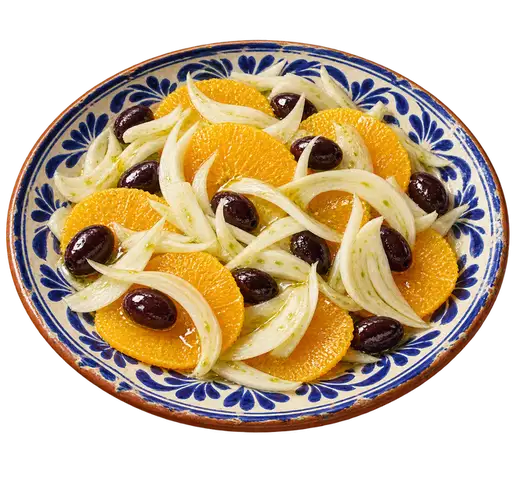 Orange and fennel saladSweet orange slices join crisp fennel, olives and olive oil for a winter salad.
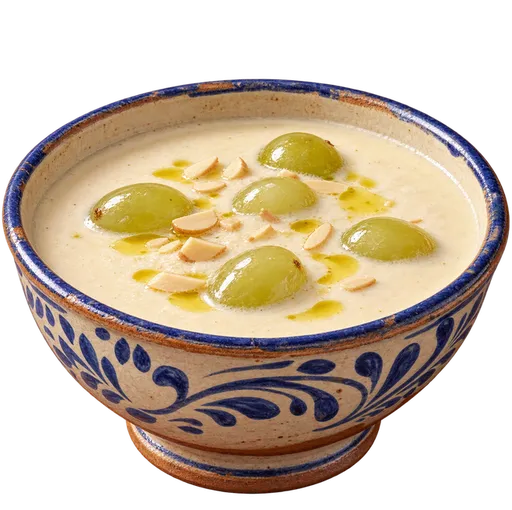 AjoblancoGround almonds, bread, garlic and olive oil become a cold white soup, often topped with grapes.
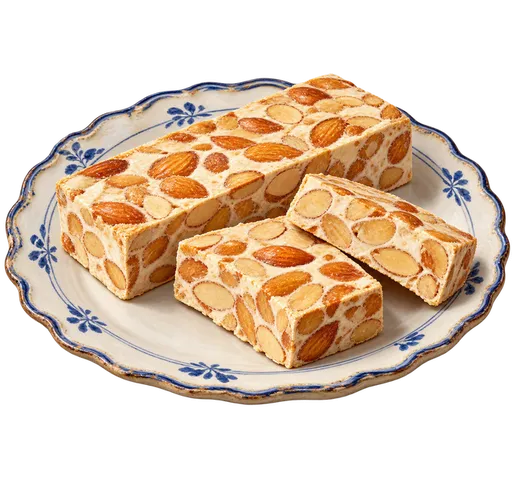 Almond turrónToasted almonds and honey set into a firm or soft sweet eaten around Christmas.