Workshop / producer · Black Sea · Karadeniz · Turkey · around 1900
The Black Sea tea hillsKaradeniz çaylıkları
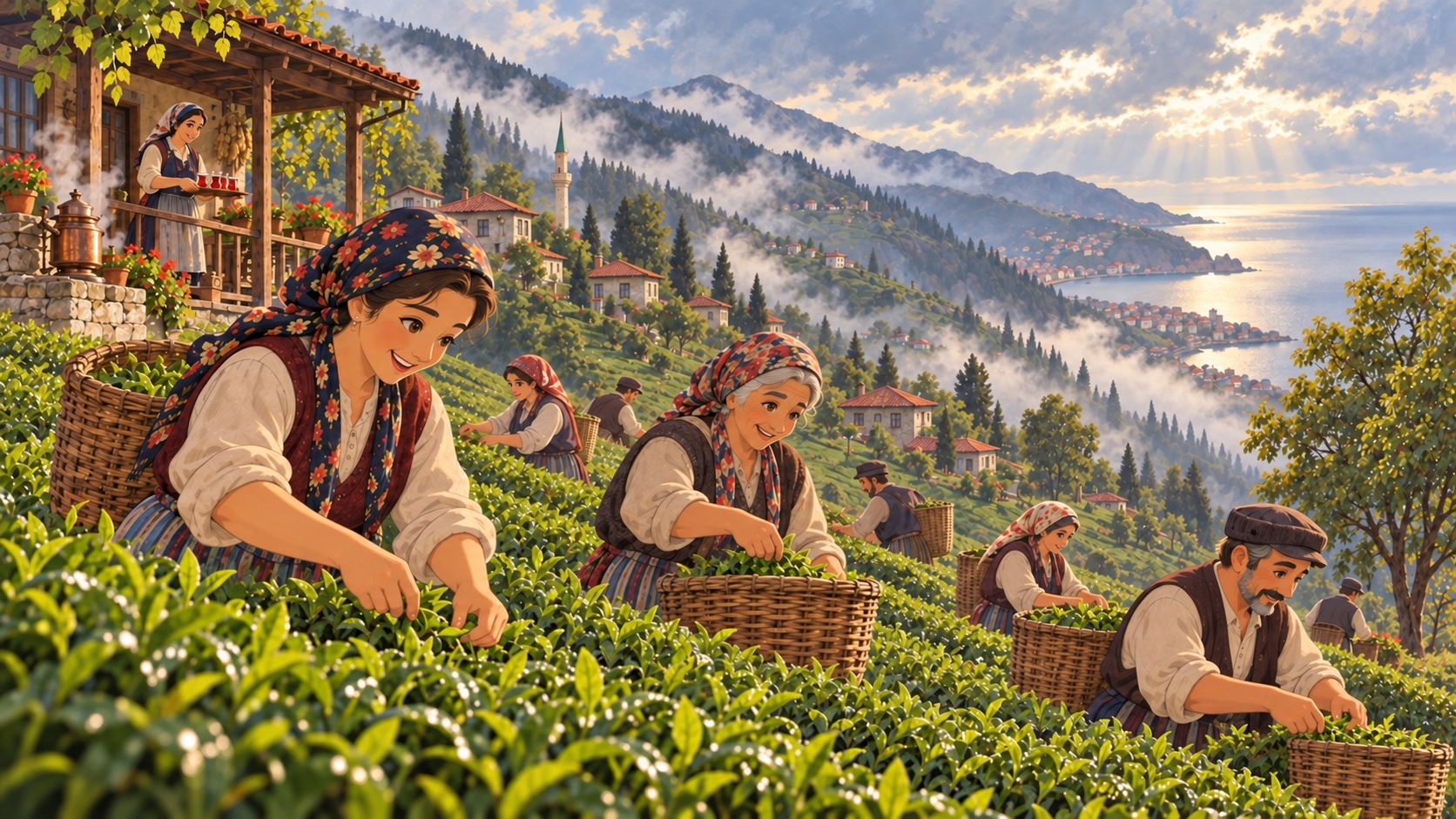
Green rows climb the wet hills, and baskets follow the pickers along the terraces.

What to look for
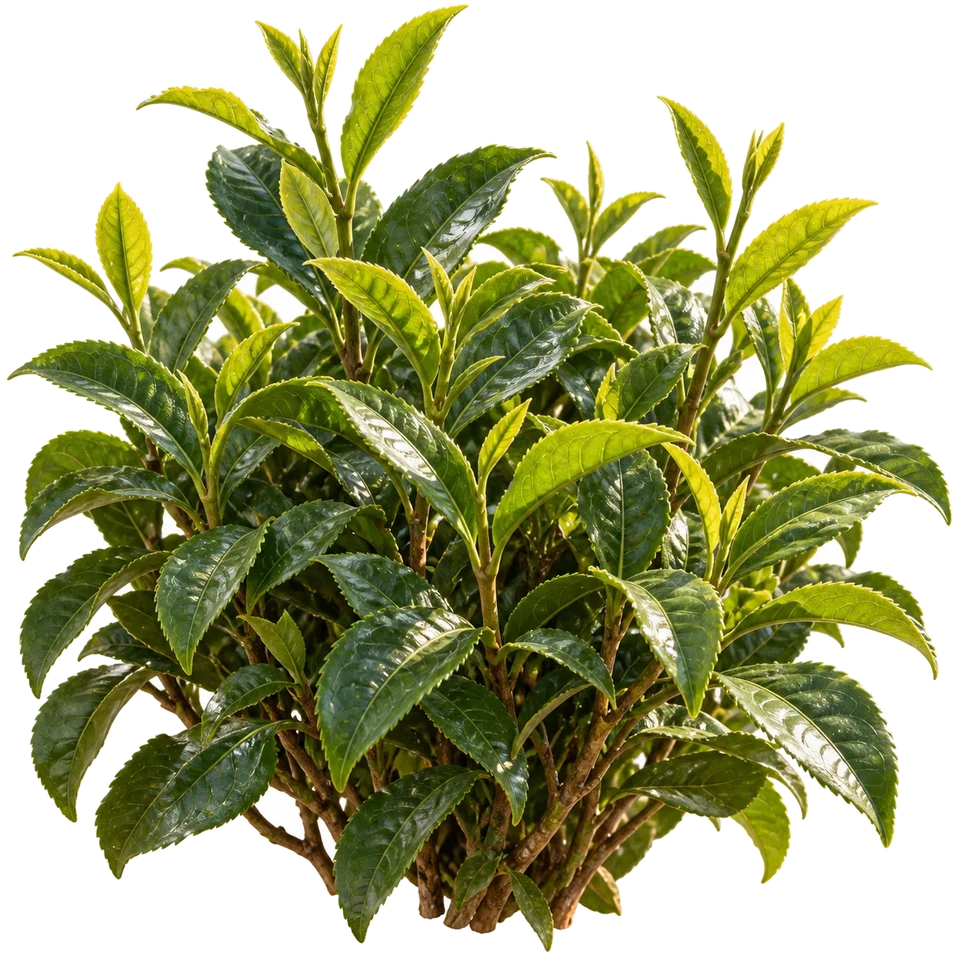
Brush the tea leaves
Pickers take the bud and the two youngest leaves, and each bush is picked several times a year.
From green leaf to black tea
The leaf is withered, rolled, oxidised and dried to make black tea. The same leaf goes from green plant to dark drink.
The Black Sea below
The sea lies below the steep green slopes. The wet climate of the eastern Black Sea suits tea, and the leaf from the gardens around Rize travels to kitchens all over Türkiye.
The story
Rainy hills supply the tea glass.
Around Rize, tea rows climb the green eastern Black Sea hills. Harvested leaves are processed into the black tea poured in homes, shops and tea gardens across Türkiye.
Tea is a recent crop here. Law 407 of 6 February 1924 supported tea planting around Rize and Borçka, further support came in 1940, and Rize’s first tea factory opened in 1947. Growers took it up as the factories arrived.
The hills are wet and humid, unlike the dry summers of the Mediterranean citrus coast or the drier Anatolian interior. Fresh leaves are only the start: withering, rolling, oxidation and drying turn them into black tea.
The leaf has to be picked and processed before anyone can brew the dark tea, and every refill at a Turkish table started on slopes like these. Picking runs from May to October, and the leaf is processed at the factory the same day. A çaydanlık, two stacked kettles, brews the tea until it turns the deep red that Turks call tavşan kanı, rabbit’s blood. Pickers carry the leaf down in baskets or sacks to the collection point.
Today
Almost no tea grew on this coast around 1900. The terraces took their present size in the second half of the twentieth century, and Rize is now Turkey's main tea region.
What this kitchen cooks
- Black teaÇayLeaves from these rows withered, rolled and dried into black tea, then brewed in a stacked pot in every house.
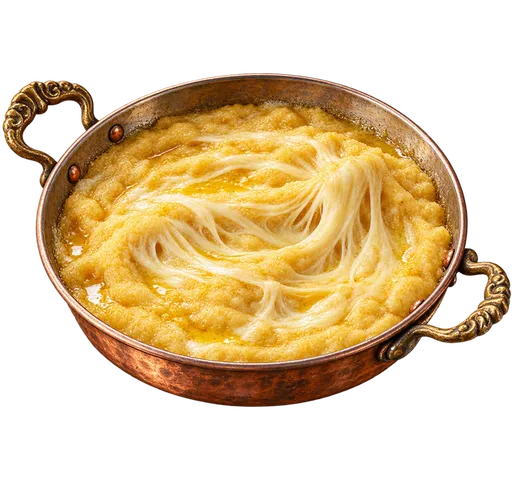 Cheese and cornmealMuhlamaCornmeal cooked in butter with fresh mountain cheese until it pulls in threads from the pan.
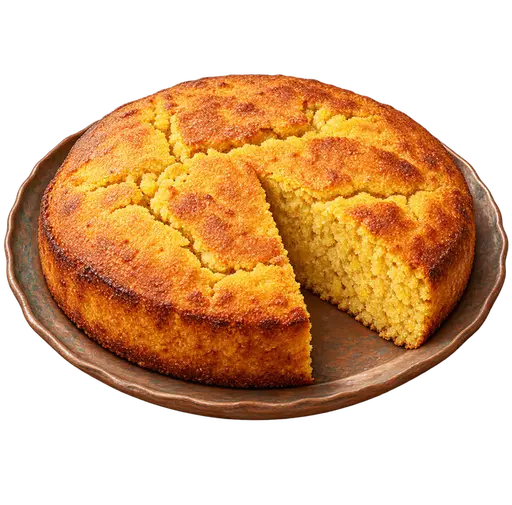 CornbreadMısır ekmeğiDense cornbread baked without a raising agent, the daily bread of a coast too wet for wheat.
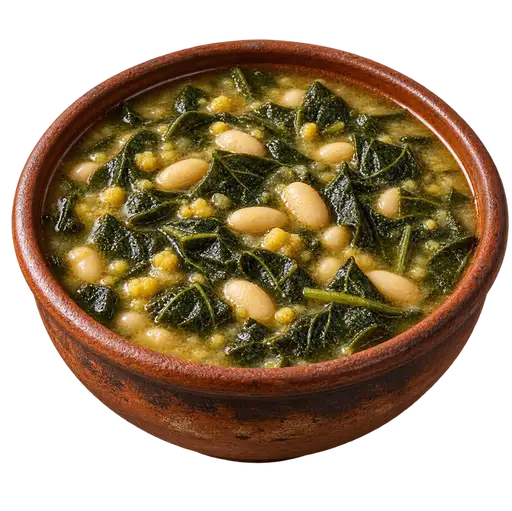 Kale soupKaralahana çorbasıBlack cabbage simmered with beans and cornmeal into a thick soup for the wet winter.
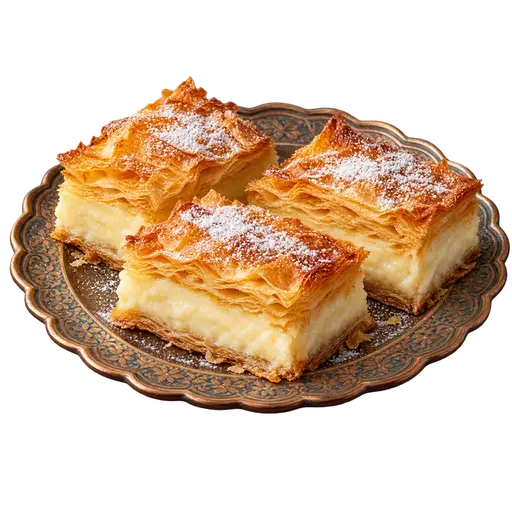 Black Sea custard pastryLaz böreğiThin pastry layered around custard and baked, then dusted with sugar; the coast’s own sweet börek.