Street stall · The West Country · Cornwall & the Bristol Channel · United Kingdom · around 1900
The cockle sandsCocos a bara lawr
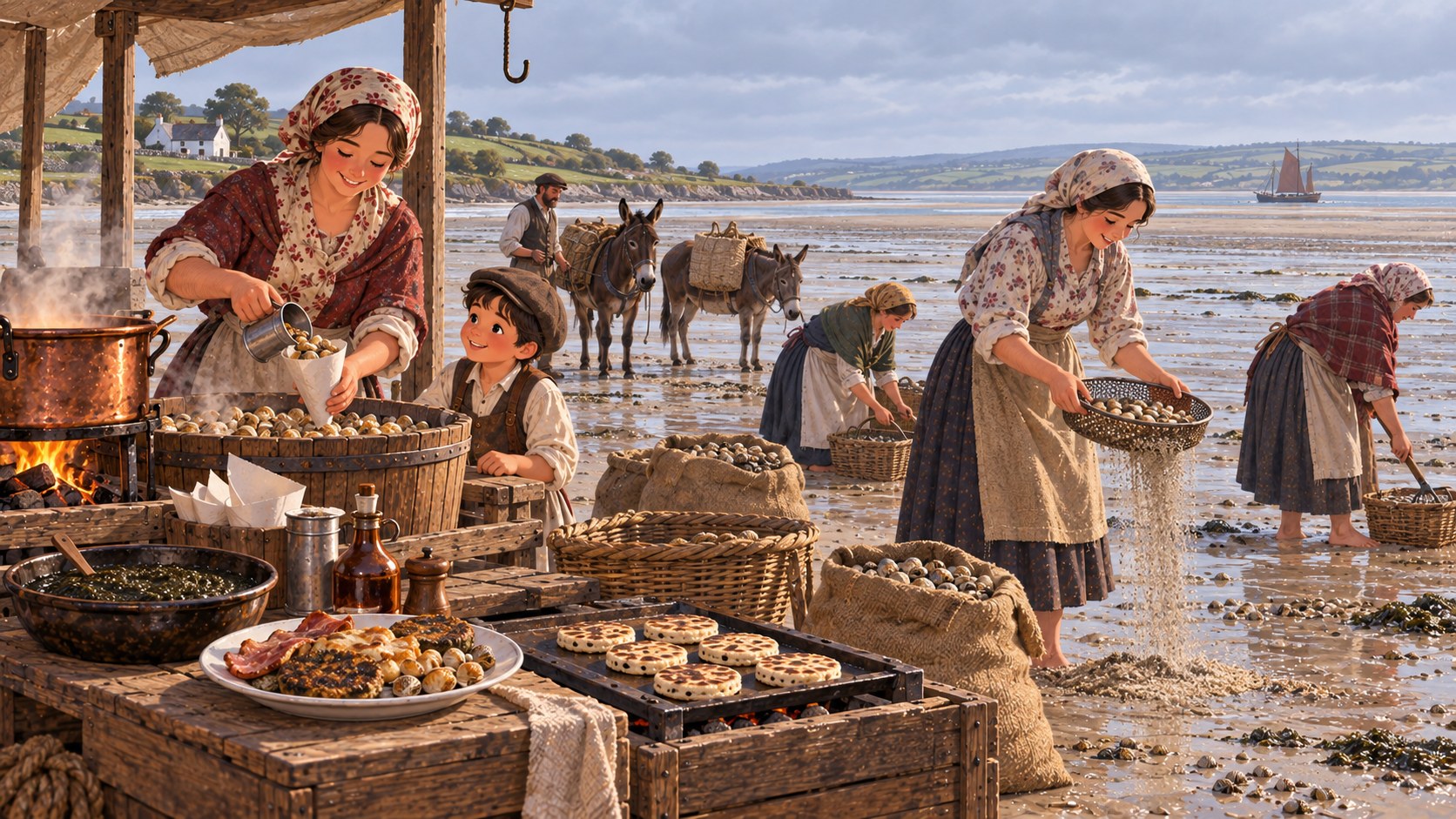
Low tide on the Loughor: fifty women, a sieve, a donkey and a big copper pot boiling at the top of the sand.
What to look for
Shake the riddle
The women of Penclawdd worked the sands on foot and carried the cockles off by donkey, then walked about eight miles each way to Swansea market. For generations they are said to have walked barefoot to the edge of the town and put their shoes on there.
Fill the pint measure
A report for the South Wales Sea Fisheries Association in 1916 estimated almost 320 tonnes of cockles a month from these sands, with about fifty women at work on a typical day and about 150 kilogrammes on each donkey.
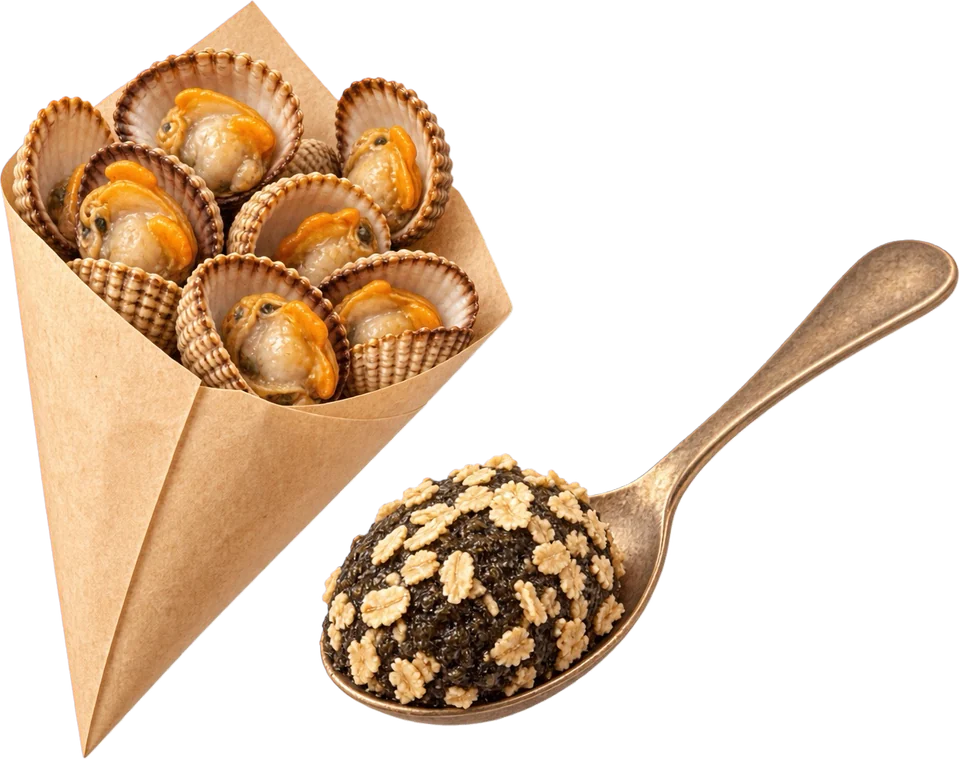
Taste the laverbread
Laver is a seaweed, boiled for hours to a dark purée, and it is eaten with cockles, bacon and oatmeal, which is why the two are always on the same stall. It is still made at Crofty on the Gower, although the seaweed no longer comes from this shore.
The story
Welsh cockles with bacon and laver, a soft paste made from coastal seaweed.
On the south Wales coast, families gathered cockles from wide tidal sands. The shellfish were washed, boiled until they opened and picked from their shells. Vinegar and black pepper made a quick meal. For breakfast, cooks paired them with bacon and laverbread. Laver is an edible seaweed; laverbread is the dark, soft paste made by boiling it for hours, sometimes mixing it with oatmeal and frying it.
Women carried baskets of cockles to local markets and railway towns. The work followed the tide and depended on close knowledge of safe ground, weather and season.
You can still buy cooked cockles and tubs of laverbread in Swansea Market and other Welsh markets. Try the cockles with vinegar, then look for a Welsh breakfast that fries laverbread beside bacon and eggs.
Today
Cockles are still gathered at Penclawdd on the Gower, and laverbread is still sold in Swansea Market.
What this kitchen cooks
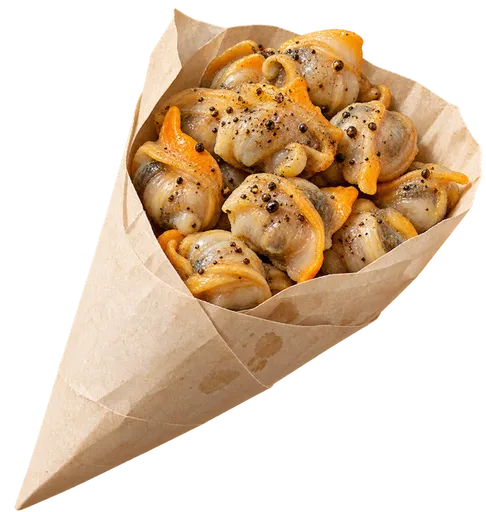
- Cockles by the pintCocosBoiled, riddled clear of sand and measured into a paper cone, eaten with vinegar and pepper on the shore.
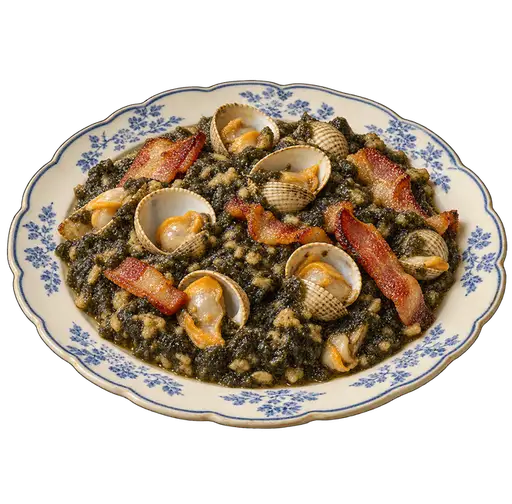 Cockles, laverbread and baconBara lawr a chocosEdible laver seaweed boiled to a soft paste, mixed with oatmeal and fried in bacon fat with cockles for a Swansea breakfast.
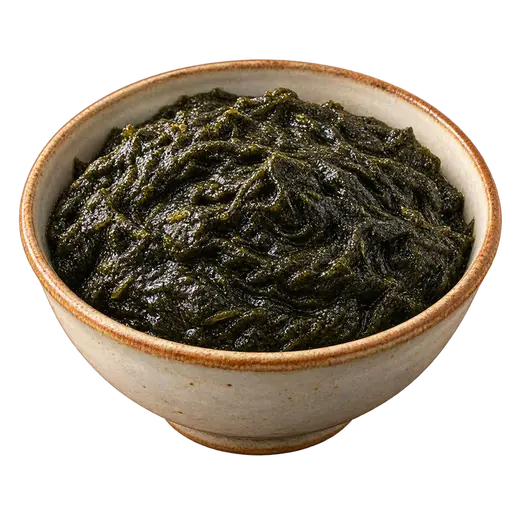 LaverbreadBara lawrLaver, an edible seaweed gathered on the Welsh coast, boiled for hours into a dark, soft paste. Despite its name, it is not a loaf.
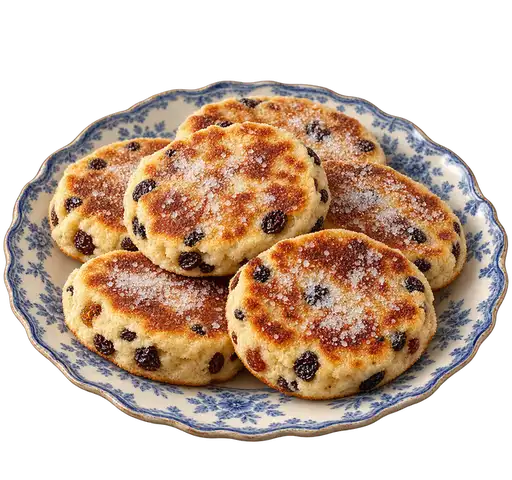 Welsh cakesPicau ar y maenSpiced currant rounds cooked on a flat iron bakestone and dusted with sugar, eaten warm from the stone.
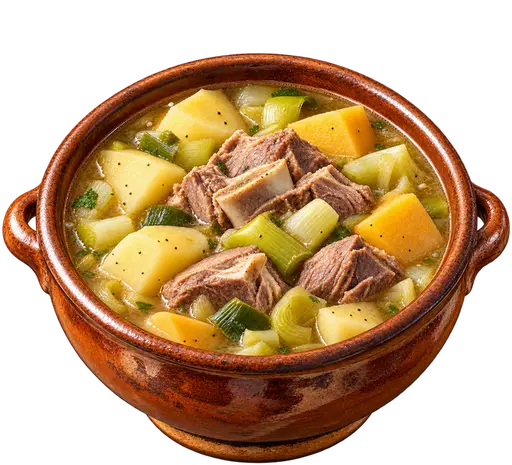 CawlCawlLamb or bacon boiled with leek, swede and potato in one pot, the broth served first and the meat and vegetables after.
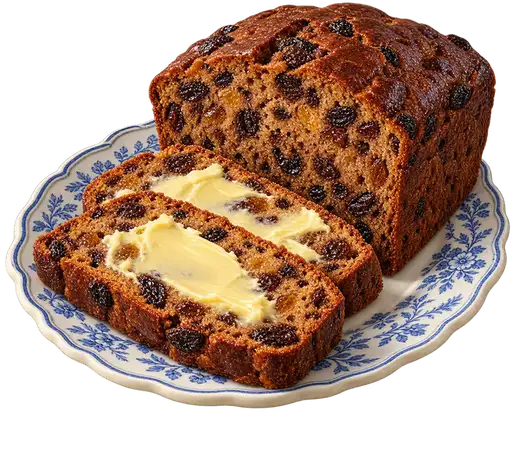 Bara brithBara brithDried fruit soaked overnight in tea and baked into a dark loaf, cut thin and buttered.