Signature flavour · Hanoi & the Red River · Hà Nội · Sông Hồng · Vietnam · early 1900s
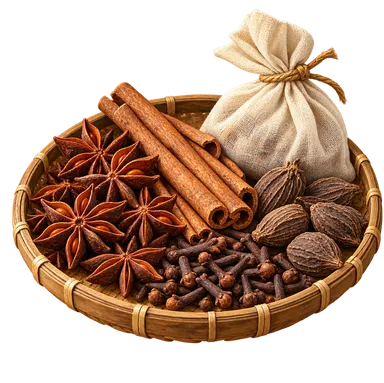
The phở spice trayHồi, quế và đinh hương
Four spices, toasted dry, tied in cloth and taken out again.
The story
Star anise, clove and cinnamon go into a phở broth with charred onion and ginger. They go into that one pot, and none of them is ground.
The method is simple: dry heat, then a short soak. The whole spices are toasted in a dry pan until the smoke turns sweet, tied into a cloth bag, and steeped in the simmering stock for part of its cooking: then lifted out, because a broth left on star anise past that point turns medicinal. Cassia bark stands in for cinnamon in most of Viet Nam.
Star anise grows in the northern uplands, which is one reason the northern bowl smells of it and the southern one is lighter on spice. The same spices turn up in the pork braise and in the clay-pot fish further south, always whole, briefly, and then removed.
Today
The spices are still toasted for phở stock. Many shops now buy their spices ready-packed in bags, and the same set is sold to home cooks.
What people make with it
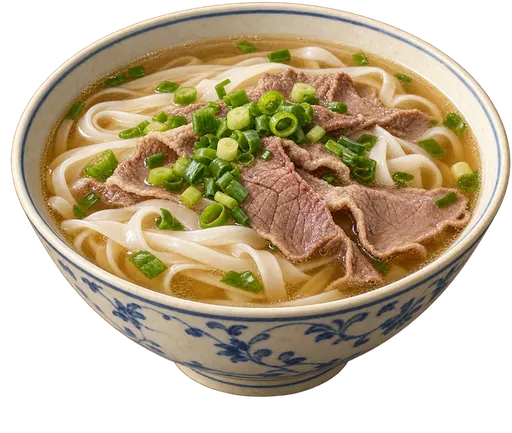
- Beef phởPhở bòStar anise, cassia and cloves scent a clear beef broth with flat rice noodles.
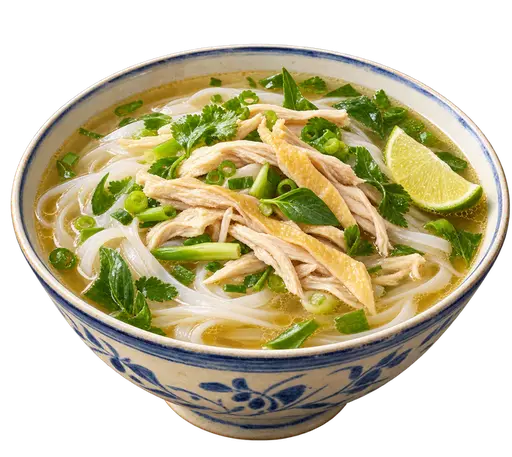 Chicken phởPhở gàA lighter chicken broth has just a little warm spice, with charred onion, ginger and rice noodles.
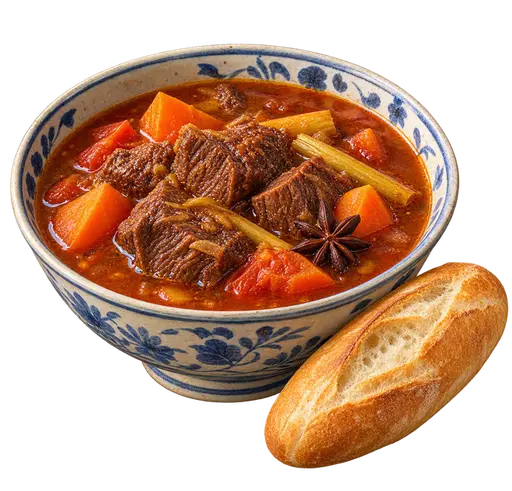 Vietnamese beef stewBò khoBeef braises with star anise, lemongrass, carrot and tomato, then arrives with bread or noodles.