Home kitchen · Venice · Venezia · Italy · around 1900
The farm kitchenCusina de campagna
The mainland farms behind the lagoon: polenta stirred in a copper pot, and the poverty that came with living on maize.
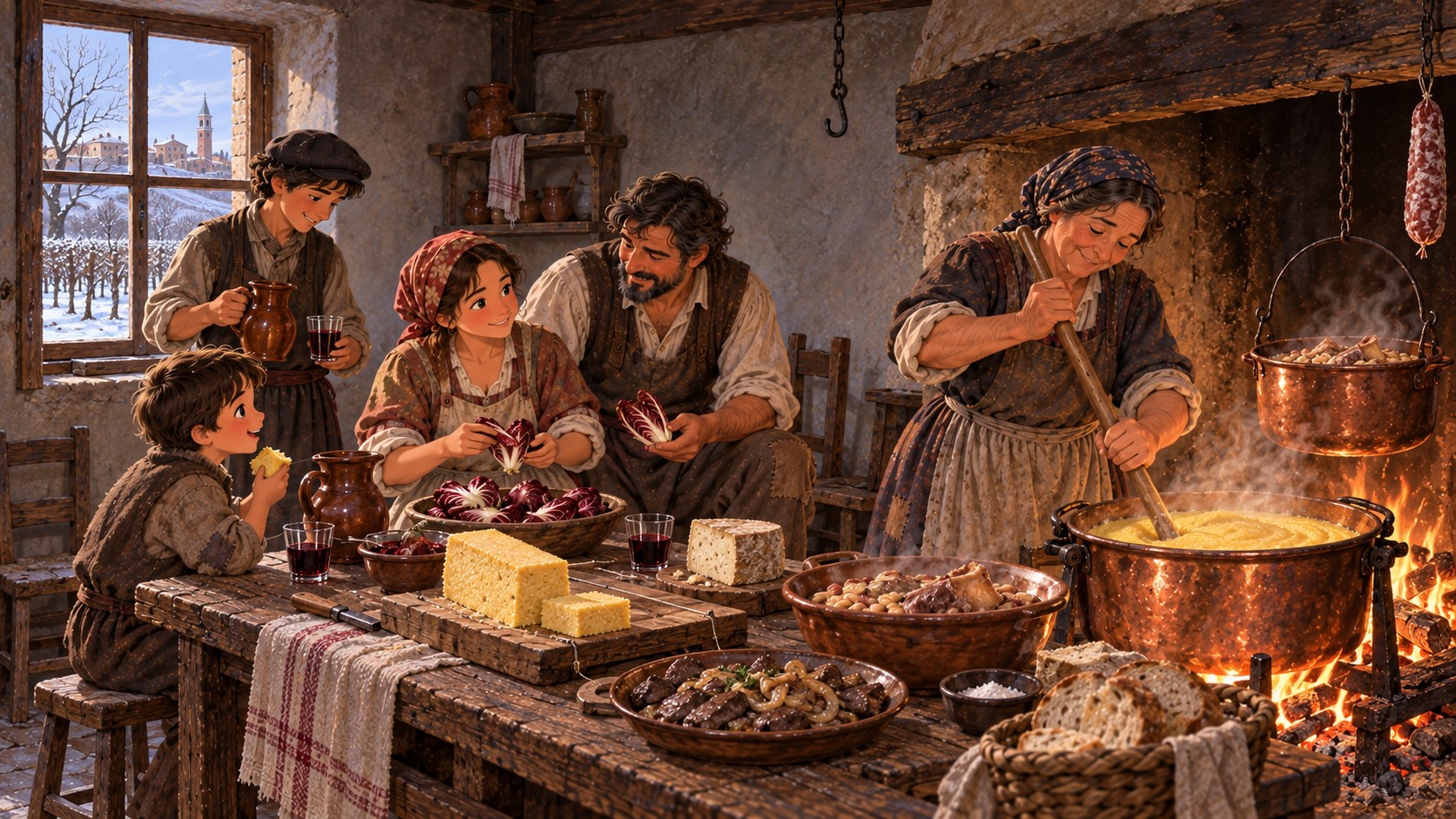
What to look for
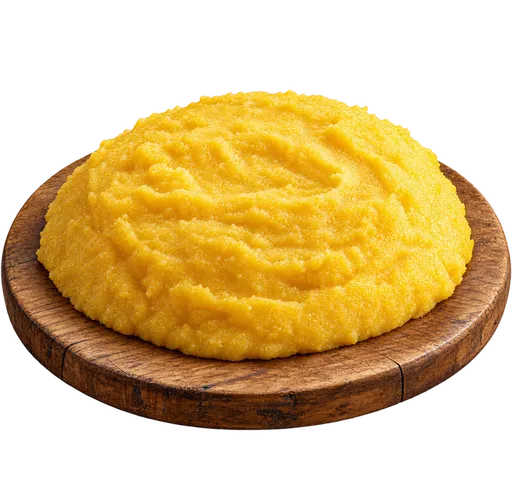
Turn the polenta
Maize came from the Americas, but the American way of soaking it in ash water did not come with it. Without that soaking the body cannot use the niacin, a B vitamin, in maize, and people who lived on polenta fell ill with pellagra. Recorded cases peaked at 104,067 in 1881, and the Veneto had more than any other region.
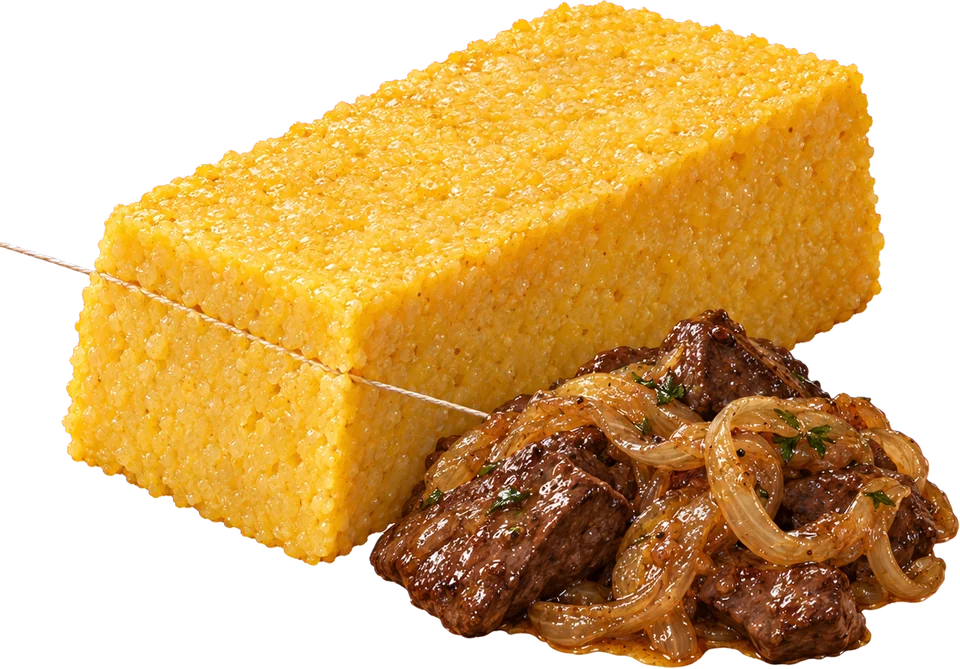
Draw the thread
Polenta is turned out onto a board and cut with a wire or a thread, never with a knife. The board, the thread and the copper are most of what this kitchen owns.
Split the red chicory
Red chicory grows green in the field. Through the winter it is blanched in spring water until the leaves turn red and the ribs white. The water turns a field crop into a winter vegetable.
The story
Polenta, beans and chicory from the farms behind Venice.
On the Veneto plain, polenta was the everyday staple. Maize meal was stirred in a copper pot for close to an hour, poured onto a wooden board and cut with a thread. The family ate it soft on the first day and grilled the slices later.
Borlotti beans went into pasta e fasoi. Red chicory was grilled or folded into risotto. Better days brought liver with onions, stockfish cooked with milk and oil, or sopressa. Onion, salt, pepper, pork fat and olive oil did most of the seasoning.
Maize arrived in the sixteenth century and gave bigger harvests than wheat. But poor farm families who ate little except maize fell ill with pellagra. Veneto restaurants still serve polenta with liver, baccalà, stews and grilled radicchio. Look beyond Venice's centre to taste the mainland farm kitchen behind the lagoon.
Today
Pellagra had largely disappeared by the mid-twentieth century as diets improved. Polenta is now a regional favourite, no longer a daily necessity.
What this kitchen cooks
- PolentaPolentaMaize stirred for an hour in a copper paiolo over the fire and turned out onto a board: the daily bread.
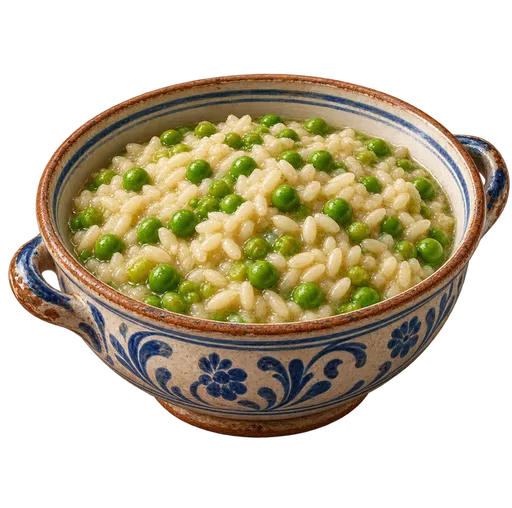 Rice and peasRisi e bisiRice and the first peas cooked loose enough to eat with a spoon; by tradition the doge's dish on Saint Mark's day.
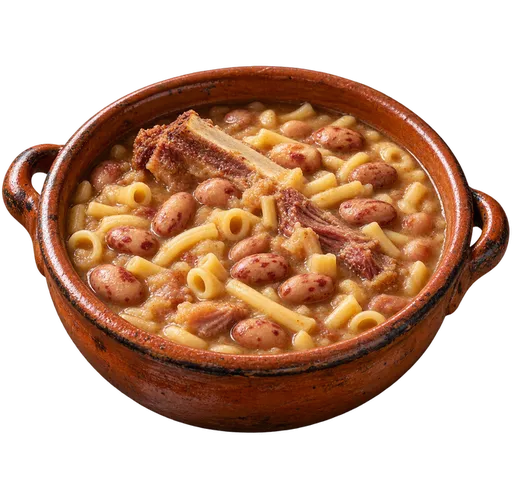 Bean and pasta soupPasta e fasoiBorlotti beans cooked down thick with a pork bone and a handful of broken pasta thrown in at the end.
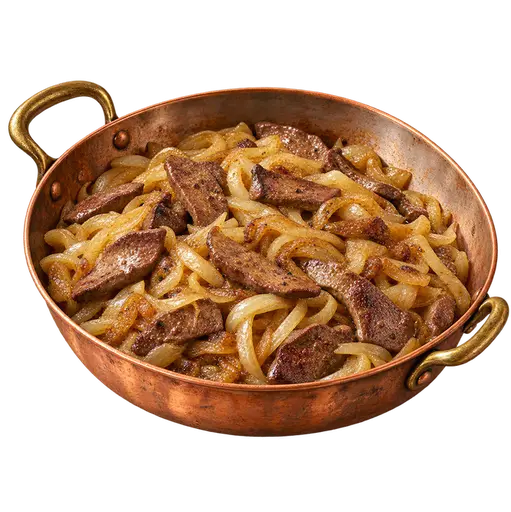 Liver with onionsFigà a la venessianaCalf's liver cut small and cooked fast into onions melted slowly in oil; Leonardi printed almost this recipe in 1807.
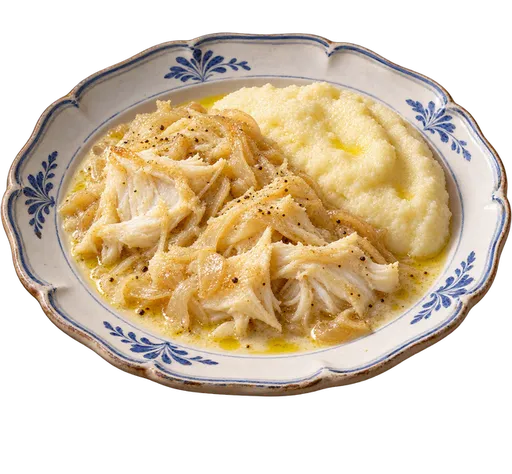 Stockfish, Vicenza styleBacalà alla vicentinaStockfish stewed for hours in milk, onion and oil until it falls apart, and eaten with white polenta.
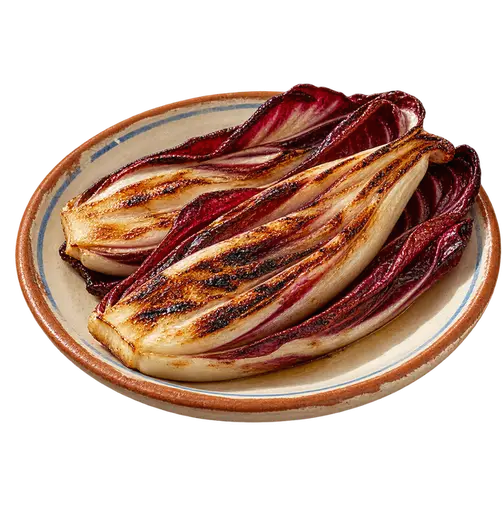 Forced red chicoryRadicio de TrevisoLong red chicory blanched in spring water through the winter, then split and grilled over the embers.
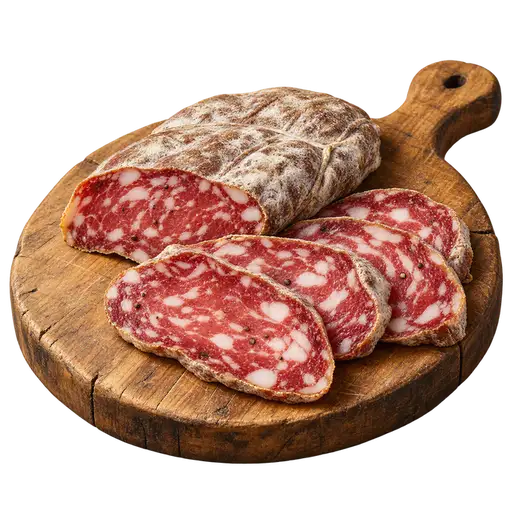 Pressed salamiSopressaA soft fat salami pressed flat and cured through the winter, cut thick onto the polenta board.
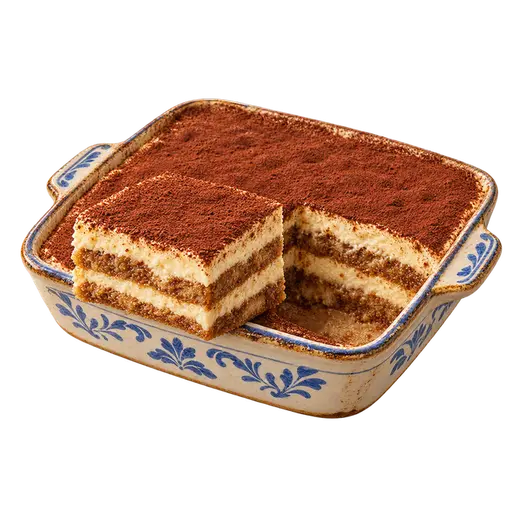 Tiramisù · coffee mascarpone dessertTiramisùSavoiardi dipped in coffee and layered with mascarpone and cocoa; Le Beccherie in nearby Treviso put it on its menu in 1972.