Restaurant · Venice · Venezia · Italy · around 1900
The osteriaOstaria
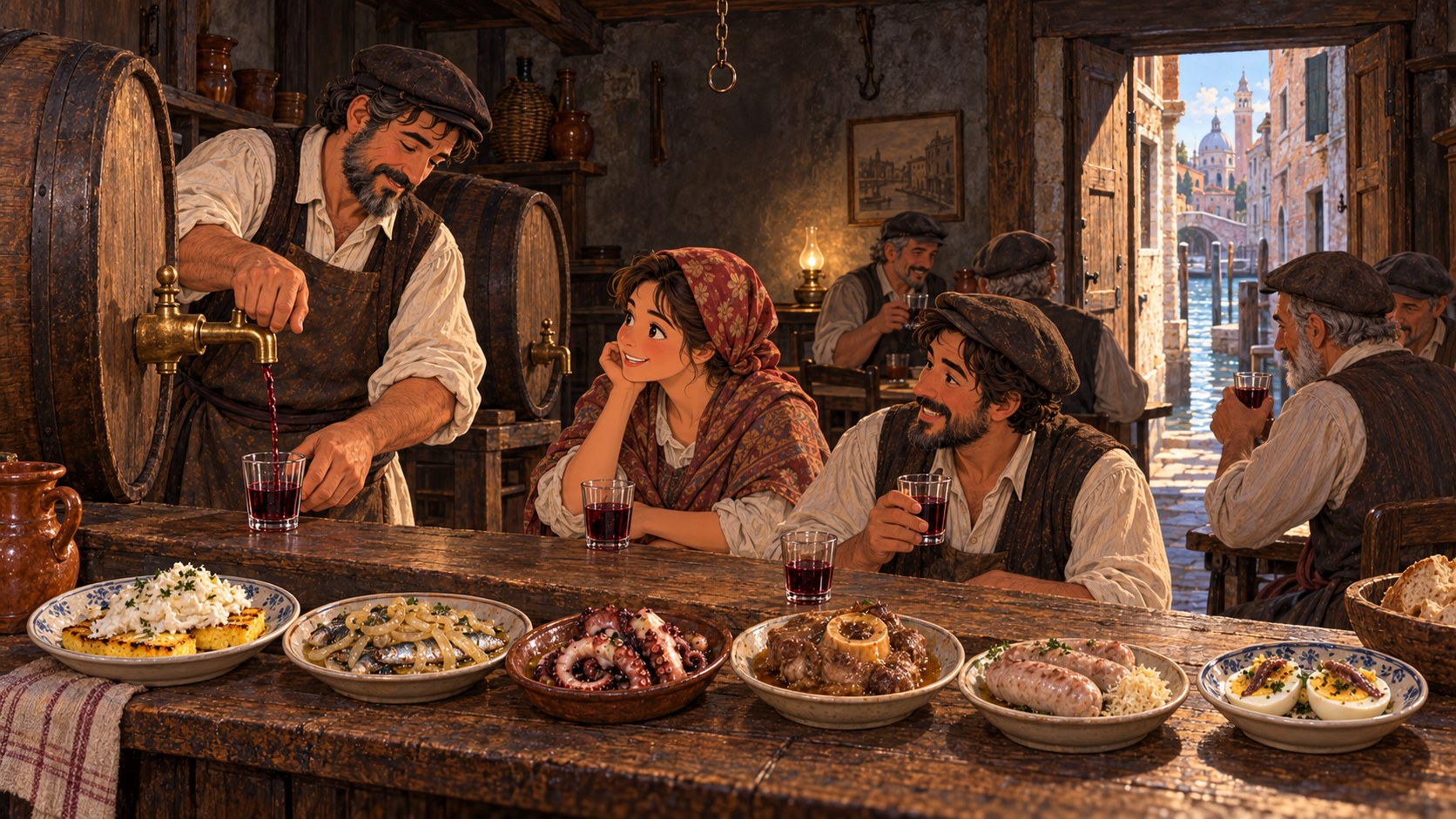
Venice had several kinds of wine house, and the osteria was the one where people both drank and ate. The glass is filled halfway from the cask.
What to look for
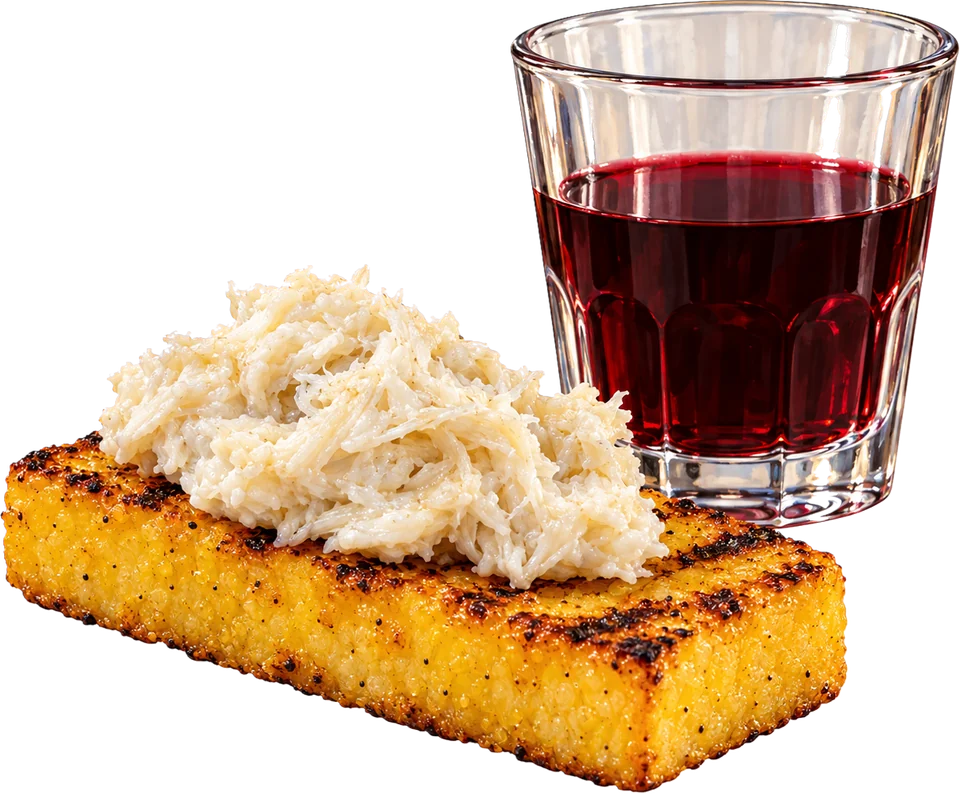
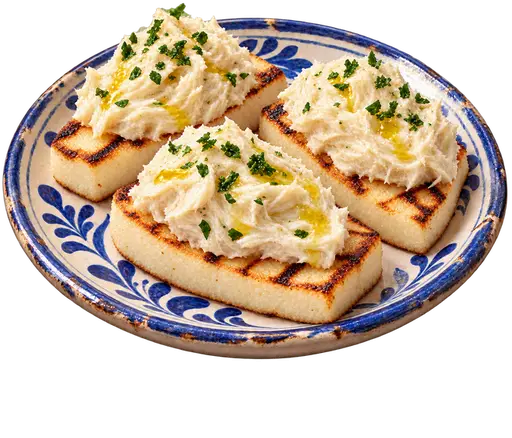
Take the salt cod
In Venice “baccalà” means stockfish, cod dried in the wind. Boerio's dictionary of 1867 says it is only sometimes salted. Elsewhere in Italy the word means salt cod.
Lift the onions
In sarde in saor, the vinegar, onions, raisins and pine nuts were first a way to keep fish edible on a boat. The oldest recipe, in an old manuscript printed in 1899, uses almonds and honey.
Fill the glass
The glass, the ombra, holds half a quarter-litre, about 125 millilitres. It was drunk standing at the counter and cost ten centesimi. Hans Barth described it in 1910 and Elio Zorzi in 1928, and both say a Professor Marsich set the measure.
The story
A small glass of wine with salt cod, sardines, eggs or beans.
A Venetian osteria sold wine and a few things to eat. Whipped salt cod on grilled polenta, sardines under sweet-sour onions, boiled eggs, beans and fried bites waited on the counter. These foods keep well, so they could sit there all day.
Venice had several kinds of wine shop. In most of them you could only drink; the osteria was the one that also served food. Today's bacari, the bars known for cicchetti (small snacks), grew out of it.
Step into a bacaro away from the busiest paths. Choose two cicchetti and a small local wine, eat standing at the counter, then move on to the next one.
Today
Bacari still serve cicchetti with a small glass of wine, but in the central streets they are now mostly a tourist circuit. Many locals go to quieter districts such as Cannaregio.
What this kitchen cooks
- Whipped salt codBacalà mantecàStockfish soaked for days and then beaten with oil until it whitens into a cream, spread on grilled polenta.
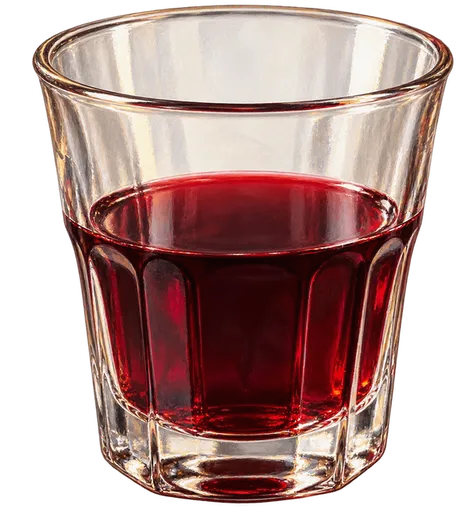 A half glass at the counterOmbraHalf a quarter-litre drawn from the cask and drunk standing for ten centesimi, as writers of 1910 and 1928 record.
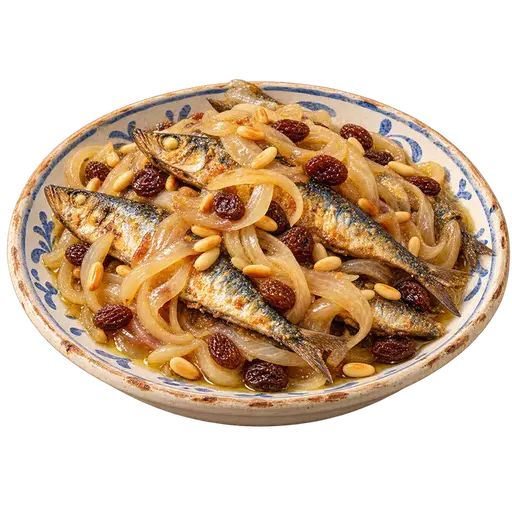 Sweet-and-sour sardinesSarde in saorThe market's sardines kept under their vinegared onions in a dish on the counter, better on the second day.
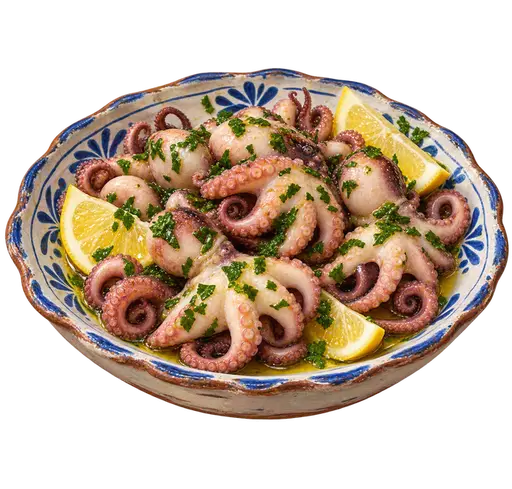 Boiled baby octopusFolpetiSmall octopus boiled whole and dressed with oil, parsley and lemon, taken off the plate with the fingers.
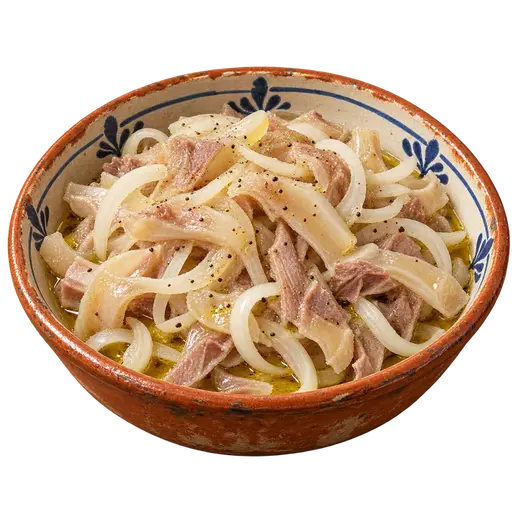 Calf's knuckle saladNervettiBoiled knuckle cut into strips with onion, oil and vinegar: cheap, cold, and exactly what the wine wants.
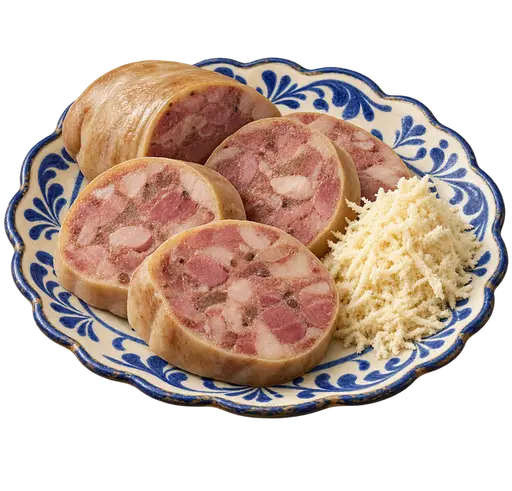 Pork sausage with horseradishMusetto e crenA boiled sausage made from the snout and rind, cut in thick slices with grated horseradish beside it.
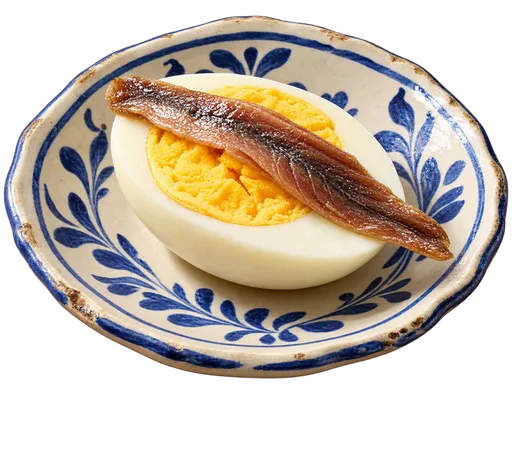 Egg and anchovyOvo e acciugaHalf a hard-boiled egg with a salted anchovy laid across it, the plainest thing on the counter.
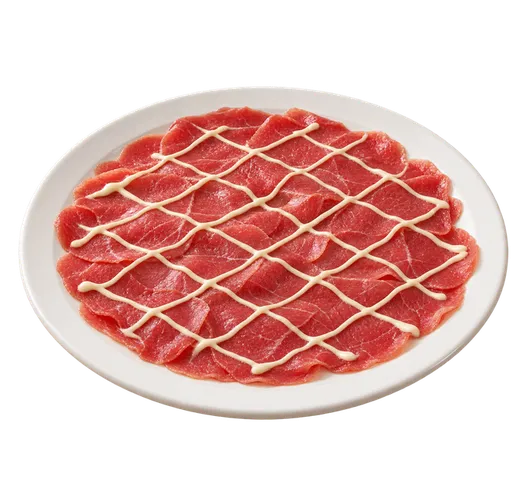 CarpaccioCarpaccioRaw beef sliced paper-thin with a mayonnaise-based sauce, made at Harry's Bar in 1963 (some say 1950) for a countess; later than this room.
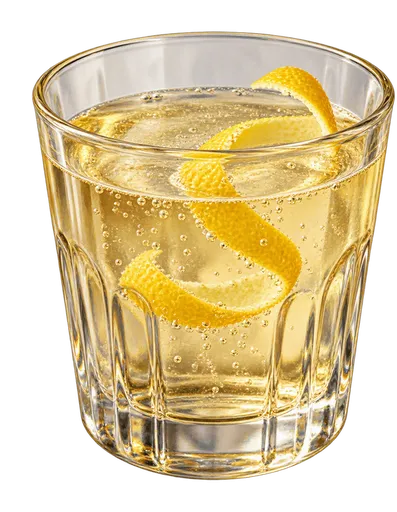 Wine with soda and lemonScorzetaHalf an ombra of white wine with carbonated water and a twist of lemon peel, an early spritz.
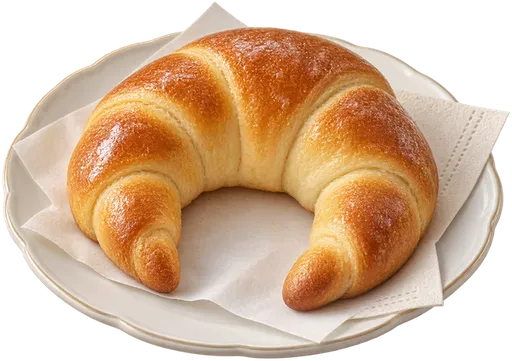 Cornetto · sweet breakfast crescentCornettoA soft crescent of sweet yeast dough eaten with morning coffee; Venice, Austrian until 1866, knew the Viennese kipfel.
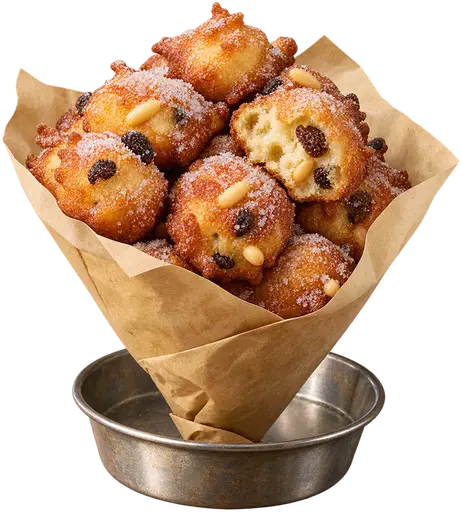 Venetian frittersFritoleSmall yeast fritters with raisins and pine nuts, fried, rolled in sugar and sold in paper cones through Carnival.
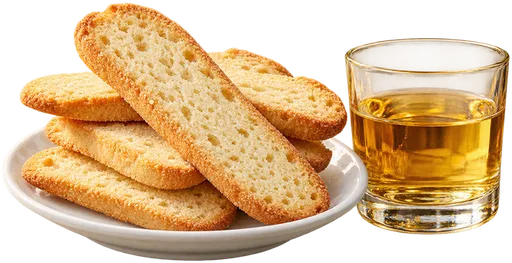 Venetian biscuitsBaìcoliThin oval biscuits baked twice until dry, made to keep on ships and dunked in coffee or sweet wine.