Restaurant · Rome · Roma · Italy · around 1900
The trattoriaTrattoria
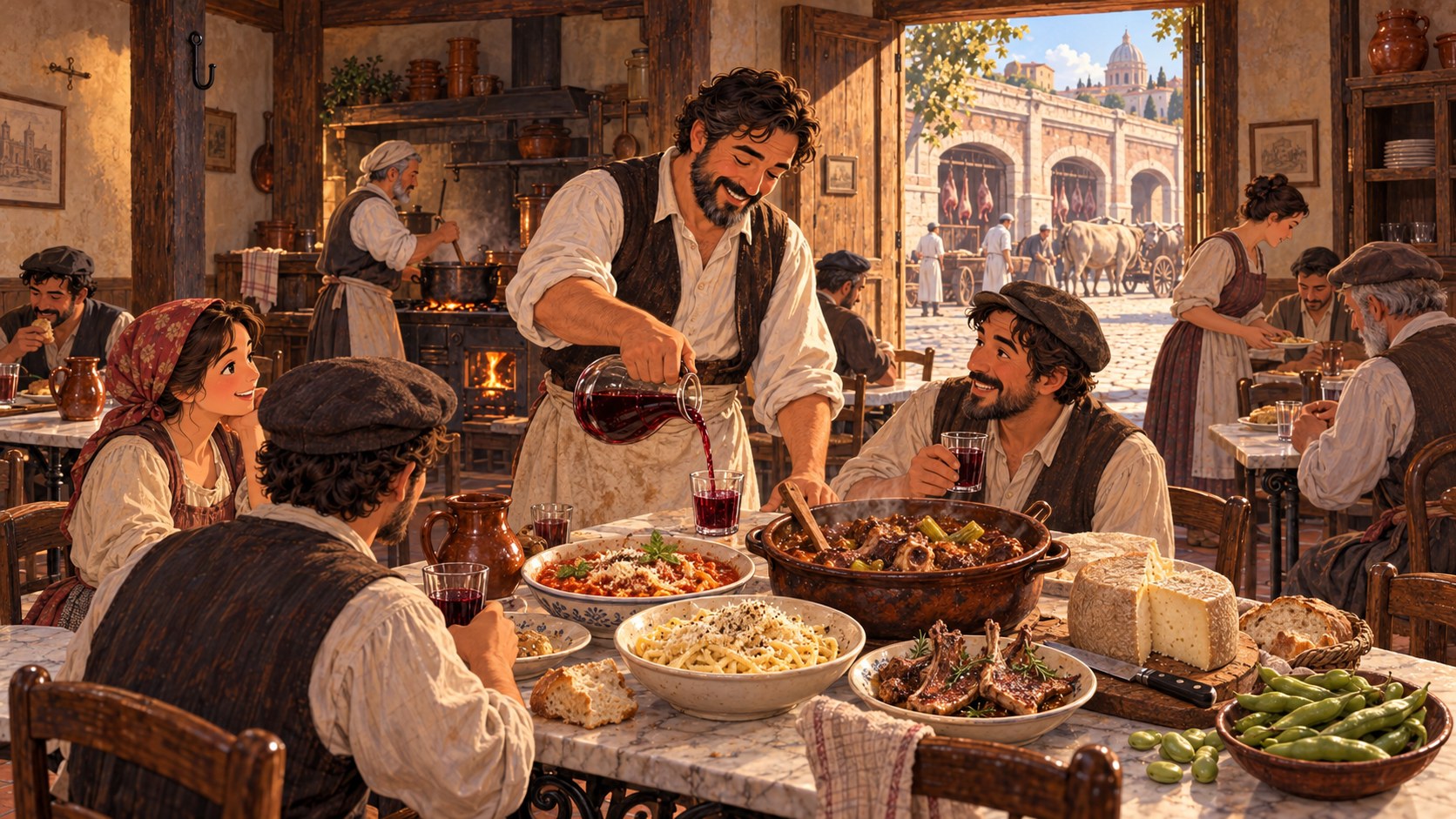
A family dining room under the slaughterhouse wall. The kitchen cooks the fifth quarter, the offal and cheap cuts, and the wine comes in a half-litre jug, the foglietta.
What to look for
Lift the pot lid
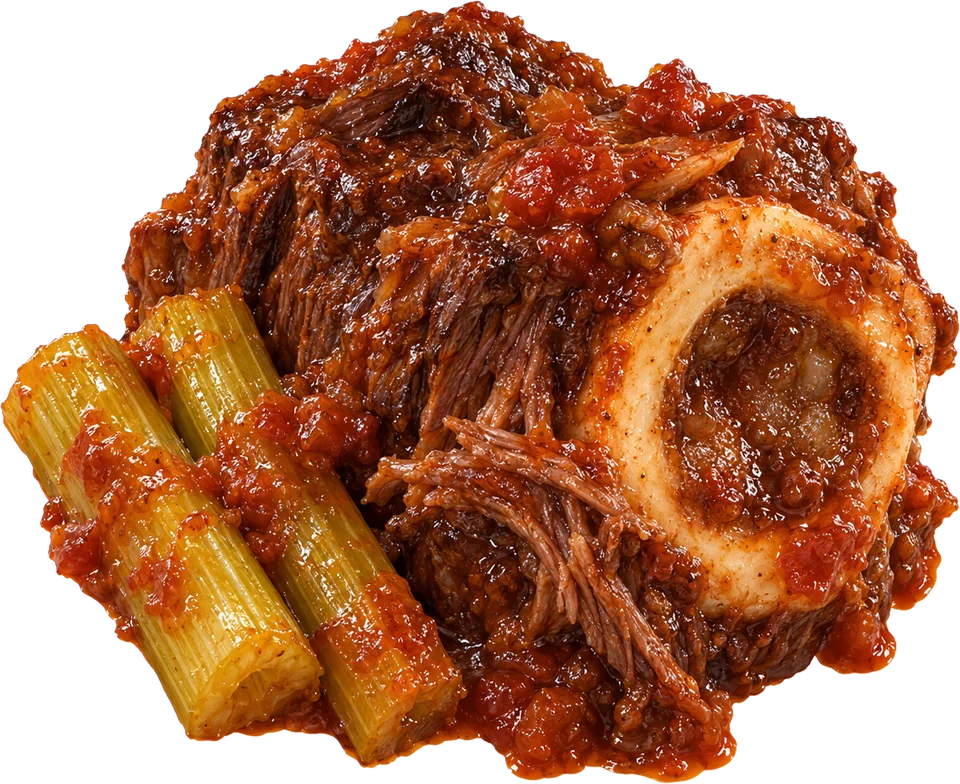
The four good quarters of a carcass went to paying customers. What was left, the offal, innards, trotters, tail and head, is the fifth quarter. Tradition says the vaccinari, the hide-strippers, took part of their pay in it instead of cash.
Taste the pasta
No cream, no butter, no stock. The sauce is grated pecorino stirred with the water the pasta cooked in, off the heat so the cheese does not go lumpy.
Cut the pecorino
By the end of the 1800s most “Roman” pecorino was already made in Sardinia. The method was taken there from Lazio and used on the milk of Sardinian sheep. The cheese kept Rome's name, but the work moved away.
The story
Pasta, pecorino and slow-cooked offal from Rome's Testaccio quarter.
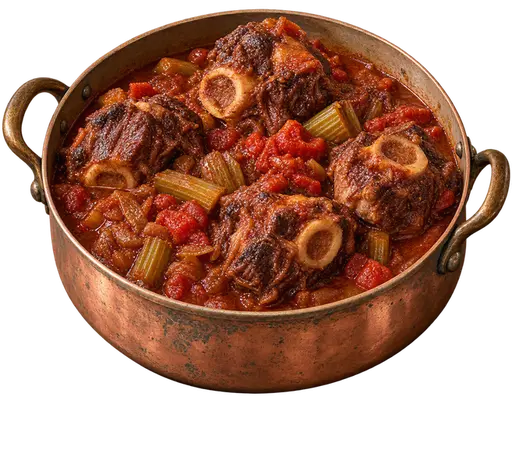
A Testaccio trattoria cooks the food of the neighbourhood around it. Cacio e pepe uses pasta water to bind pecorino and black pepper. Gricia adds cured pork cheek. Oxtail simmers with tomato and celery, while tripe is finished with wild mint and grated cheese.
The municipal slaughterhouse opened nearby around 1890. The best meat was sold in four quarters and left the district. Tail, tripe, sweetbreads and the other leftover cuts stayed behind: the quinto quarto, or fifth quarter. Long cooking and strong seasoning turned them into Roman dishes.
Old trattorie around Testaccio still cook these dishes. Start with a pasta, then share one offal dish if you are curious.
Today
Testaccio's trattorie still serve oxtail, tripe and cacio e pepe, though their customers are now more often visitors than quarter workers.
Cooked here
slow braising
What this kitchen cooks
- Oxtail stewCoda alla vaccinaraOxtail from the Testaccio yards stewed for hours with celery, tomato and a little chocolate, the hide-strippers' own dish.
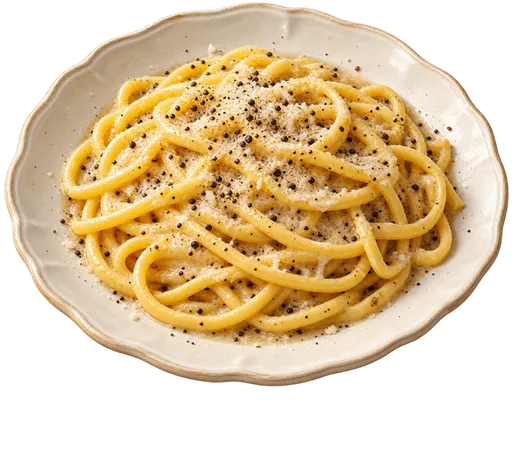 Cheese and pepper pastaCacio e pepePecorino and black pepper worked into the starchy pasta water until the sauce turns creamy without any cream.
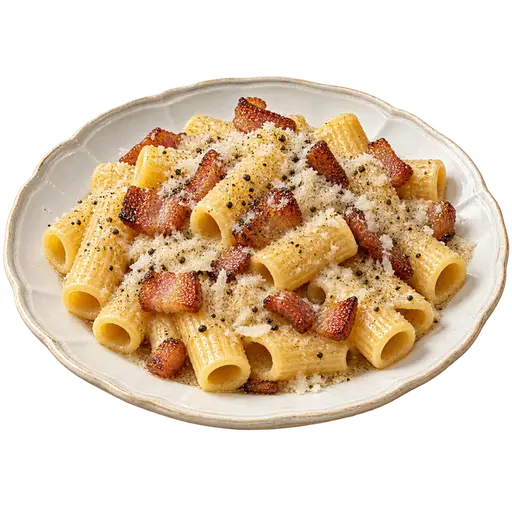 Guanciale and pecorino pastaPasta alla griciaCured pig cheek crisped in its own fat with pecorino and pepper; add tomato and it becomes amatriciana.
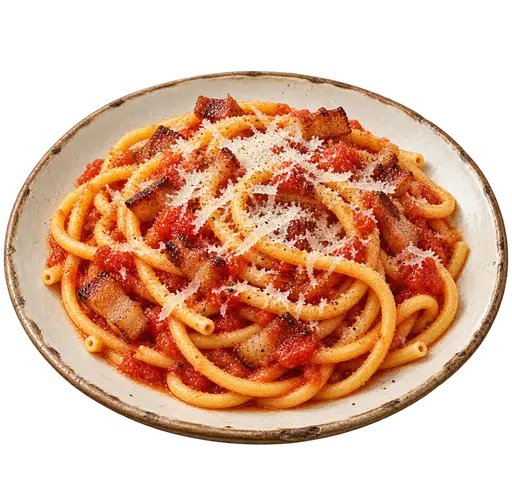 Bucatini with tomato and guancialeBucatini all'amatricianaThe gricia with tomato added, brought to Rome by cooks from Amatrice, a town that stayed in Abruzzo until 1927.
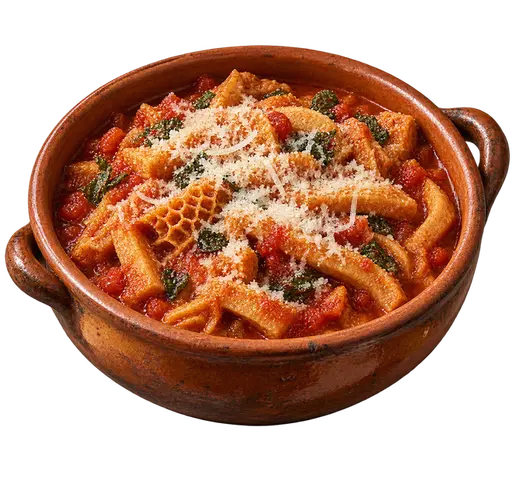 Tripe, Roman styleTrippa alla romanaTripe simmered in tomato with wild mint and a heavy fall of grated pecorino, eaten in Rome on Saturdays.
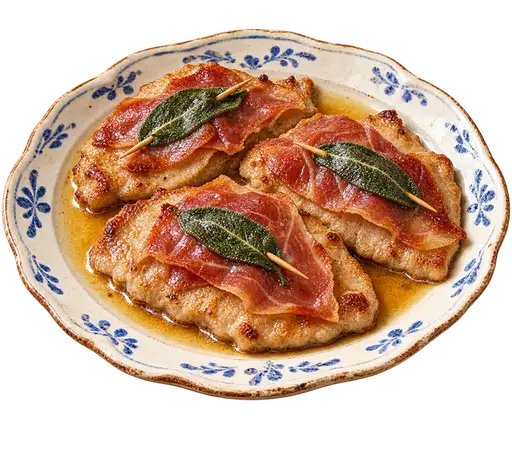 Veal with sage and hamSaltimbocca alla romanaVeal, prosciutto and a sage leaf pinned together and fried in butter; Artusi ate it in a trattoria off Campo Marzio.
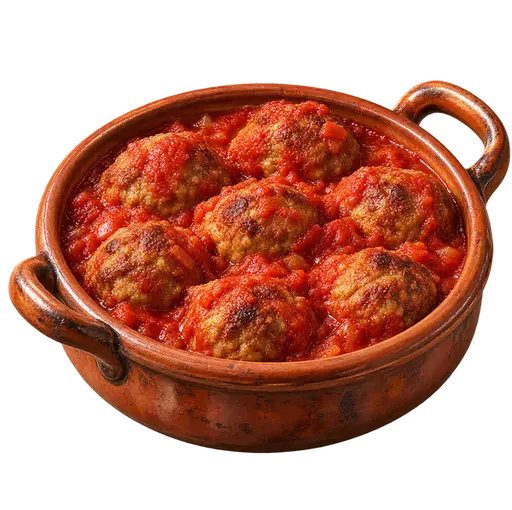 Meatballs in saucePolpette al sugoBeef and pork minced with bread soaked in milk, rolled, browned and then finished in the pot of sauce.
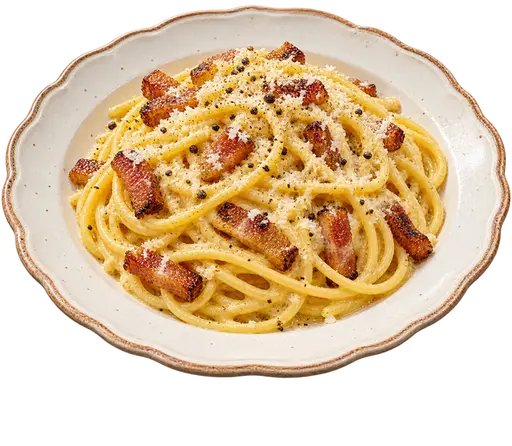 CarbonaraCarbonaraRoman today, but first recorded in a Chicago guide of 1952 and La Cucina Italiana in 1954, long after this room's time.
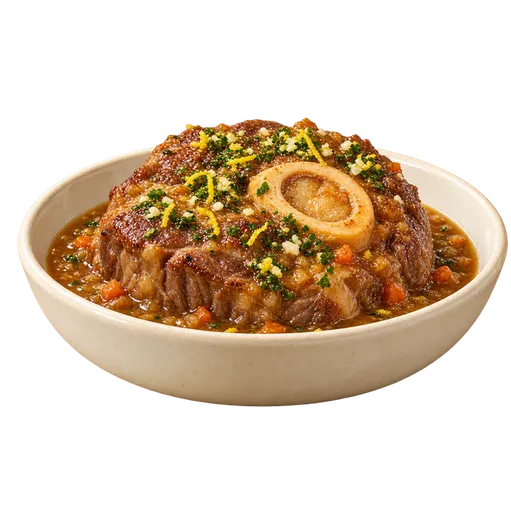 Braised veal shankOssobuco alla milaneseFrom Milan: veal shank braised in wine and broth, served with the marrow in the bone and gremolata of lemon zest, garlic and parsley.
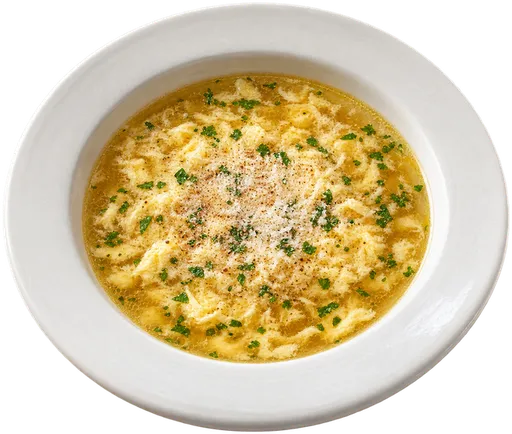 Egg-drop brothStracciatella alla romanaBeaten egg, Parmigiano and a little semolina stirred into boiling broth until they break into rags, the Roman soup for Easter.
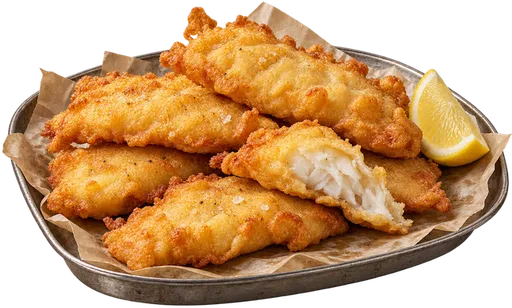 Fried salt cod filletsFiletti di baccalàSalt cod soaked for days, cut into fillets, dipped in batter and fried, then eaten hot with lemon on a Friday.