Workshop / producer · Rome · Roma · Italy · around 1900
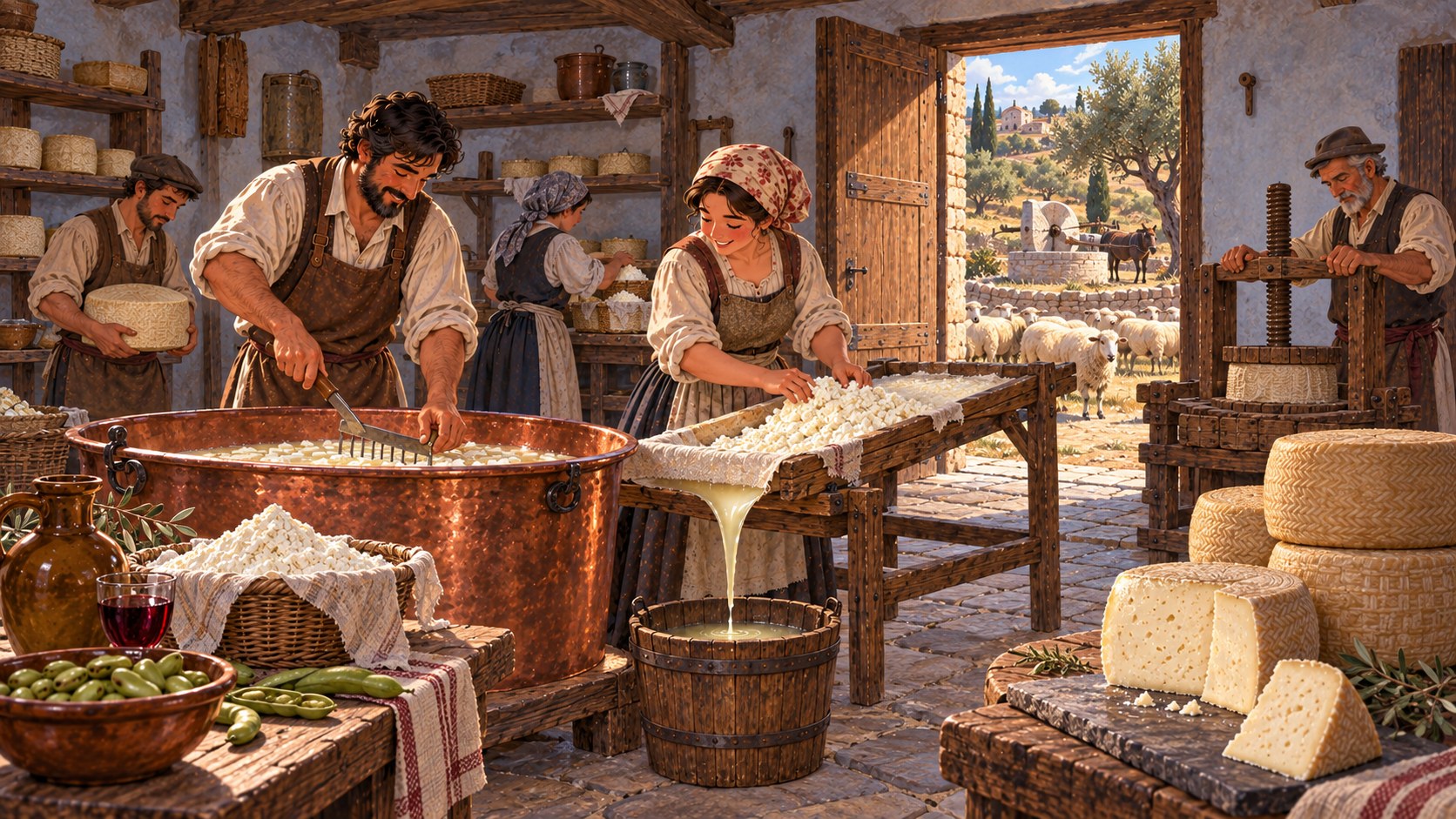
The casaleIl casale
A farmstead in the Agro Romano: the fold, the press and the oil jar in one cold yard.
What to look for
Cut the curd
The curd is cut to let the whey out, and the finer it is cut the drier and longer-keeping the cheese. Nothing in this room is heated: the cheese is made by pressing, salting and waiting.
Follow the whey
The whey that drains from the curd is not thrown away. It goes back on the fire in the next room and becomes ricotta, so a dairy has two things to sell and wastes neither.
Lift the wheel
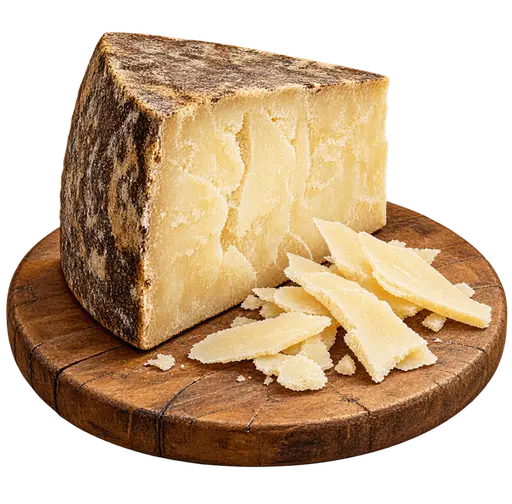
Salt rubbed in by hand over months lets a pecorino keep for a year without cooling. The Sabina olive oil in the jar beside it is always poured raw over food. It got its protected name (DOP) only in 1996.
The story
Ewe's milk becomes pecorino, while the whey becomes fresh ricotta.
On a farm outside Rome, ewe's milk is set with rennet and the curd cut finely so the whey runs out. The curd is pressed, salted and aged into pecorino. The remaining whey is heated again until soft ricotta rises to the surface. One milking produces a cheese for keeping and another for eating fresh.
Pecorino gives Roman pasta most of its salt and flavour. Ricotta goes into pastries, filled pasta or a simple breakfast. By the late nineteenth century much Pecorino Romano was made in Sardinia, so the cheese in Roman dishes often came from Sardinian milk.
Taste fresh ricotta at a market and aged pecorino in a cheese shop. In a trattoria, notice how a small amount of grated cheese changes cacio e pepe, gricia or tripe.
Today
Pecorino Romano has had protected status (DOP) since 1996, and most of it is still made in Sardinia.
What this kitchen cooks
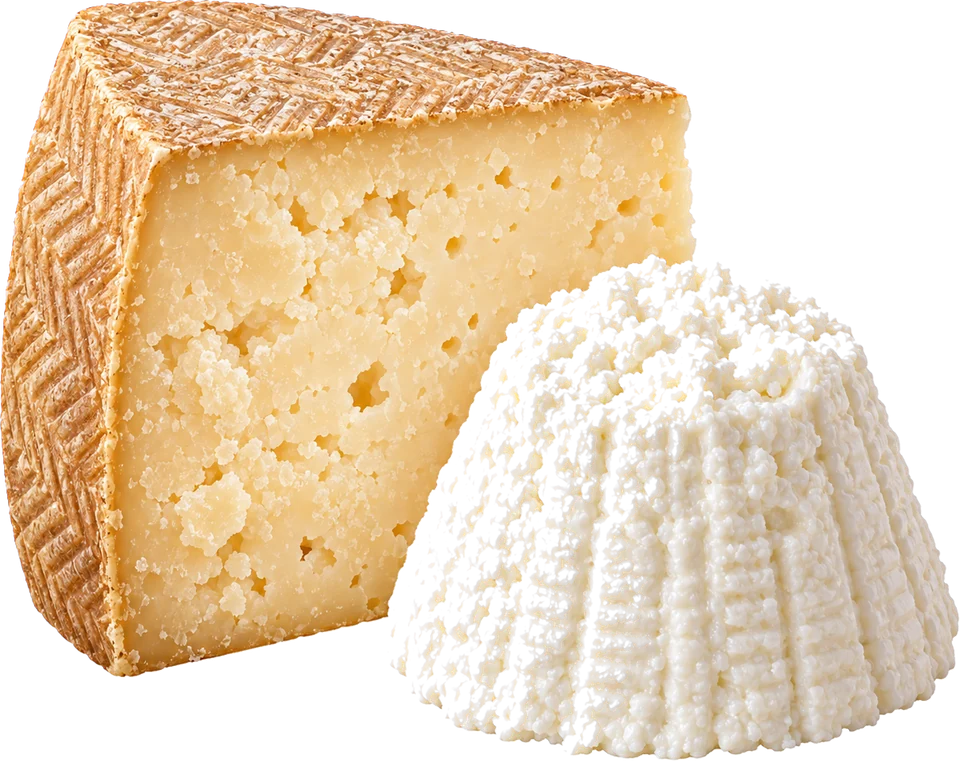
- Roman pecorinoPecorino romanoSheep's milk pressed and dry-salted by hand over months; by 1900 most of it was already being made in Sardinia.
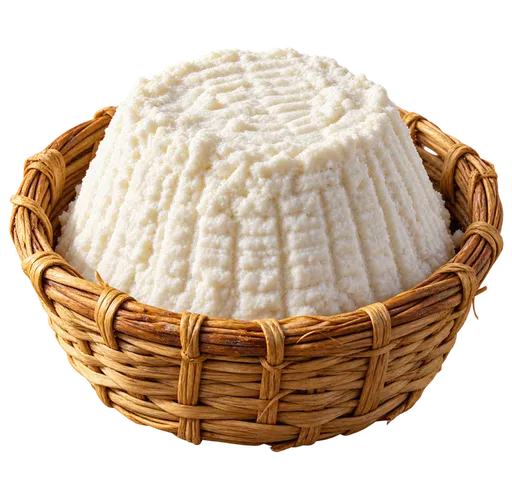 Sheep's milk ricottaRicotta romanaThe whey put back on the fire until soft curds rise, lifted off with a scoop and eaten the same day with bread.
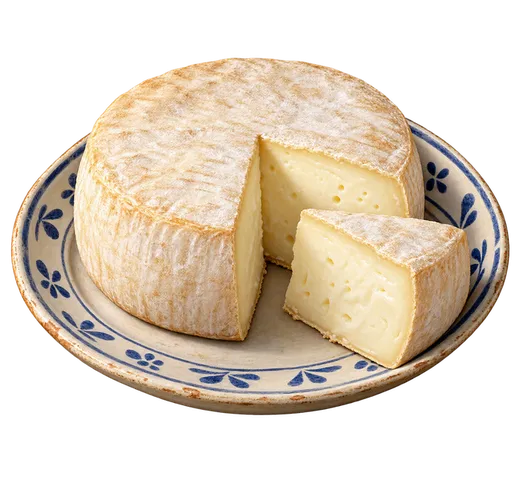 Young farm cheeseCaciotta romanaA small soft wheel eaten within weeks, the cheese the farm keeps back rather than sending into the city.
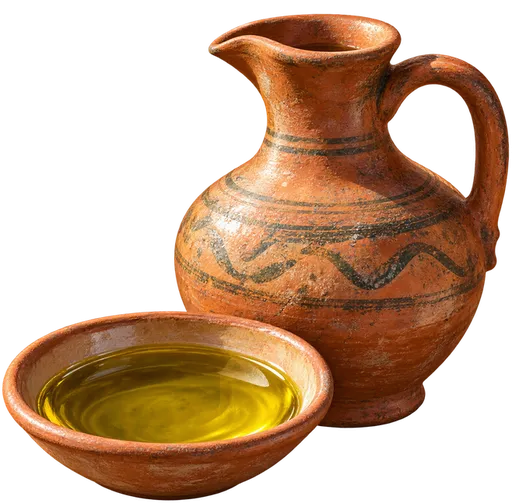 Sabina olive oilOlio della SabinaOlives from the hills above the Tiber crushed under a stone wheel; the oil goes raw over nearly everything here.
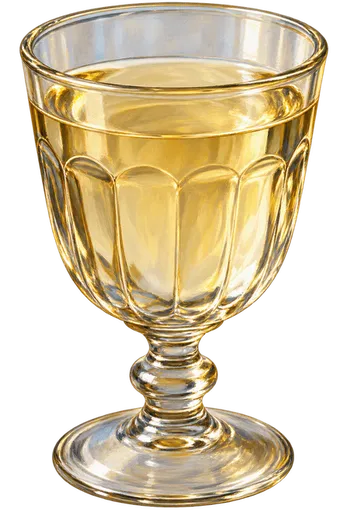 Castelli white wineVino dei CastelliWhite wine from the volcanic hills, racked in March and carted into Rome by night in fifty-litre barrels.
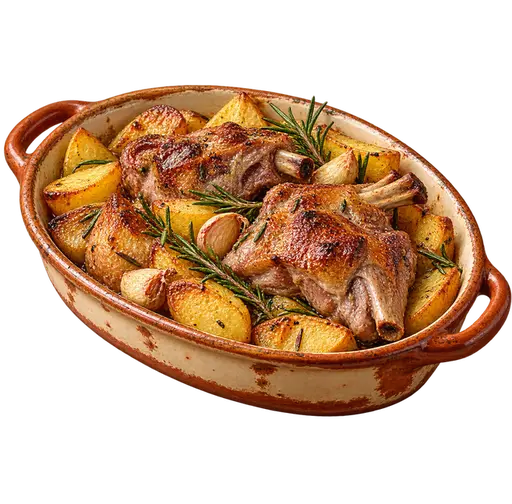 Roast milk-fed lambAbbacchio al fornoA lamb from the fold roasted with potatoes, rosemary and garlic, the Easter meal on this farm.
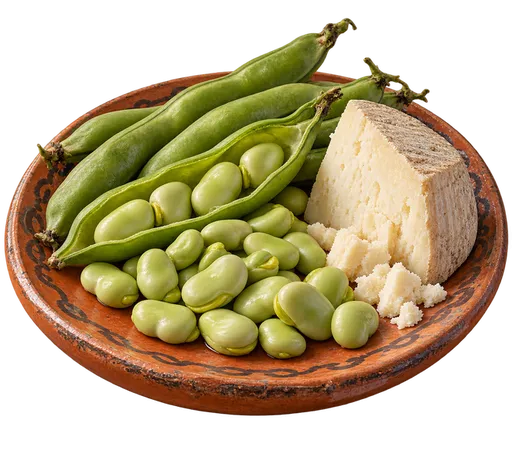 Broad beans and pecorinoFave e pecorinoRaw broad beans podded at the table beside a lump of young sheep's cheese, on the first of May.