Ingredient · Rome · Roma · Italy · around 1900
The flockIl gregge
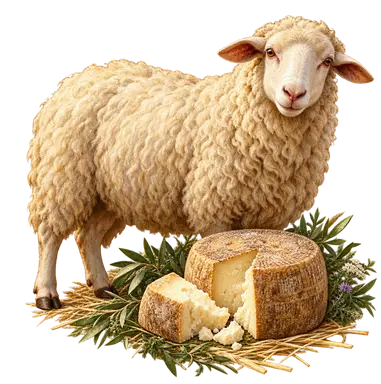
Sheep give the Roman countryside milk, cheese, lamb and mutton.
The story
Flocks grazed the dry grass of the Agro Romano and moved along seasonal routes between lowland and mountain pasture. Their milk became pecorino and ricotta. Spring lamb marked special meals, while older animals supplied strong-flavoured mutton.
This pastoral food survives in Roman pasta, roast lamb and cheese counters. Pecorino Romano is now produced mainly in Sardinia, yet it remains central to Roman cooking. Taste it at different ages and notice how a small grated amount seasons a whole plate.
Today
Seasonal sheep walks between lowland and mountain have become rare. UNESCO added transhumance to its heritage list in 2019.
What people make with it
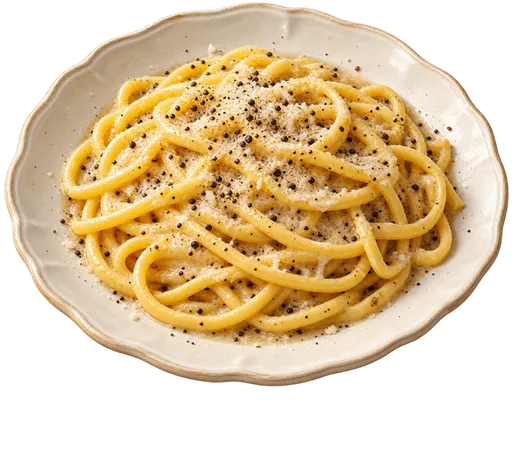 Cheese and pepper pastaCacio e pepePasta coated with aged sheep's cheese, black pepper and enough pasta water to make a creamy sauce.
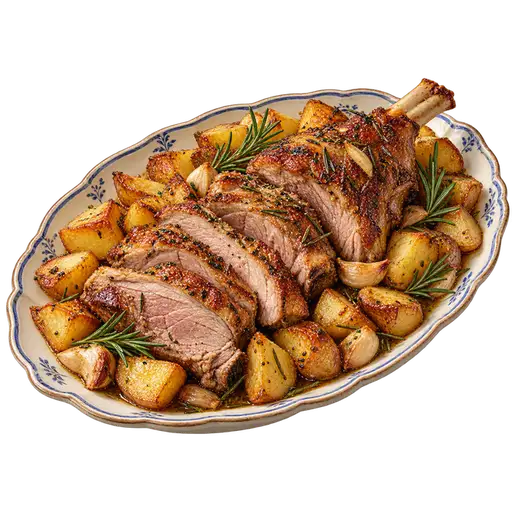 Roast spring lambAbbacchio al fornoYoung lamb roasted with potatoes, rosemary and garlic for a Roman celebration meal.
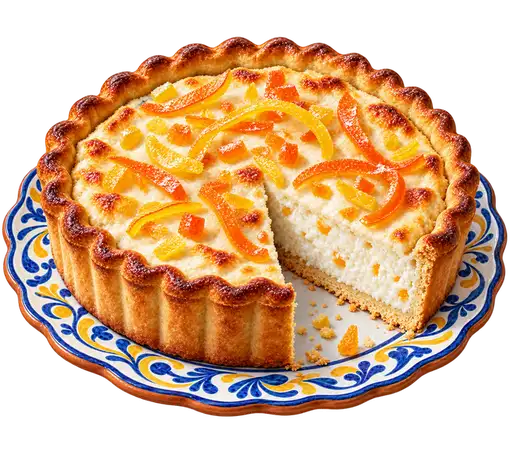 Fresh ricotta tartCrostata di ricottaPastry filled with fresh sheep's-milk ricotta, often with sour cherries or candied peel.