Market / shop · Rome · Roma · Italy · around 1900
The pasta kitchenIl tirasfoglia
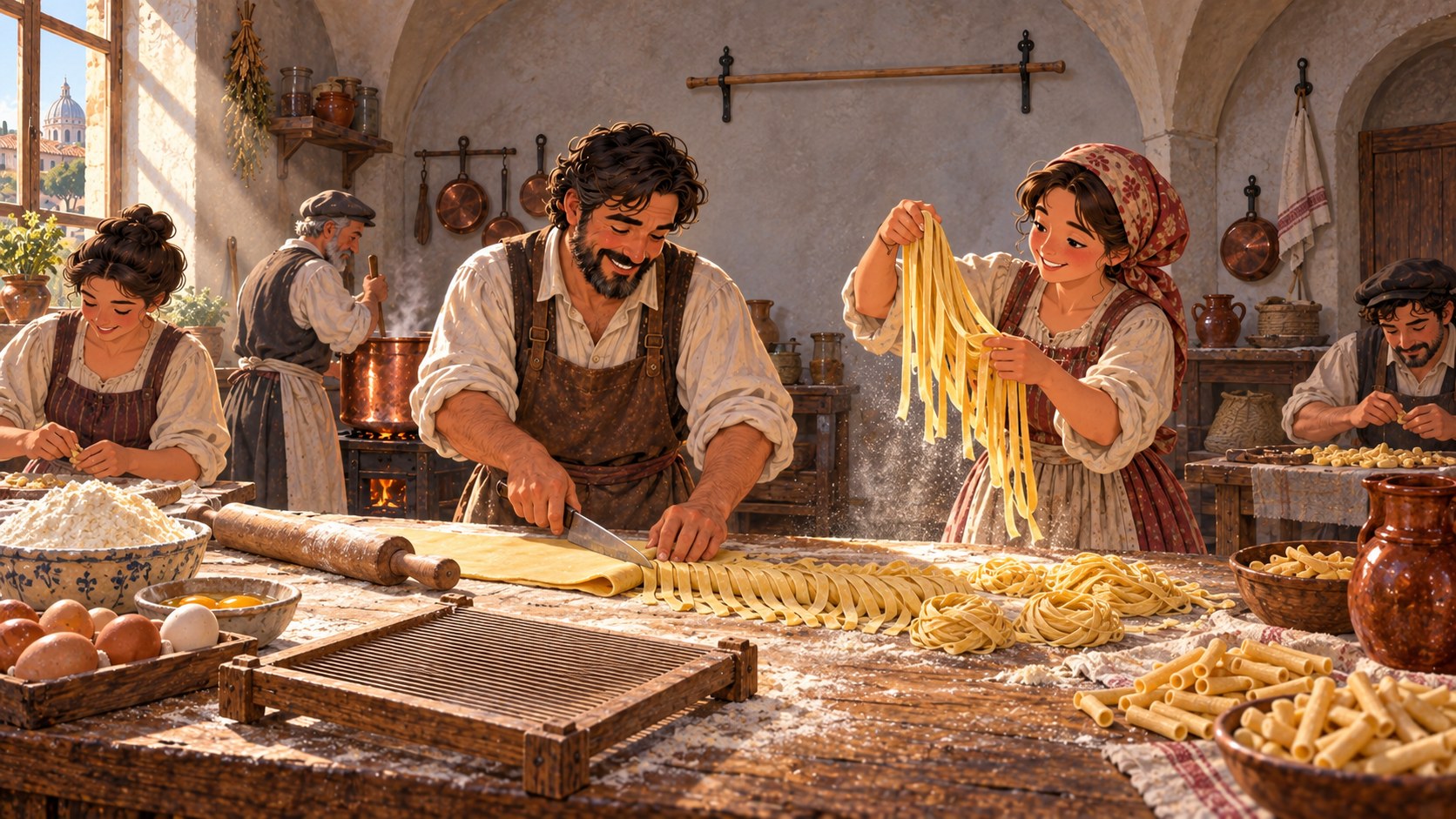
One board, one pin a metre long, and a sheet rolled until the light comes through it.
What to look for
Fold the sheet
Fresh home pasta is soft wheat and egg. Dried pasta is durum semolina and water. They were two different trades, even in the same street, and this board makes the fresh egg kind.
Lift the ribbons
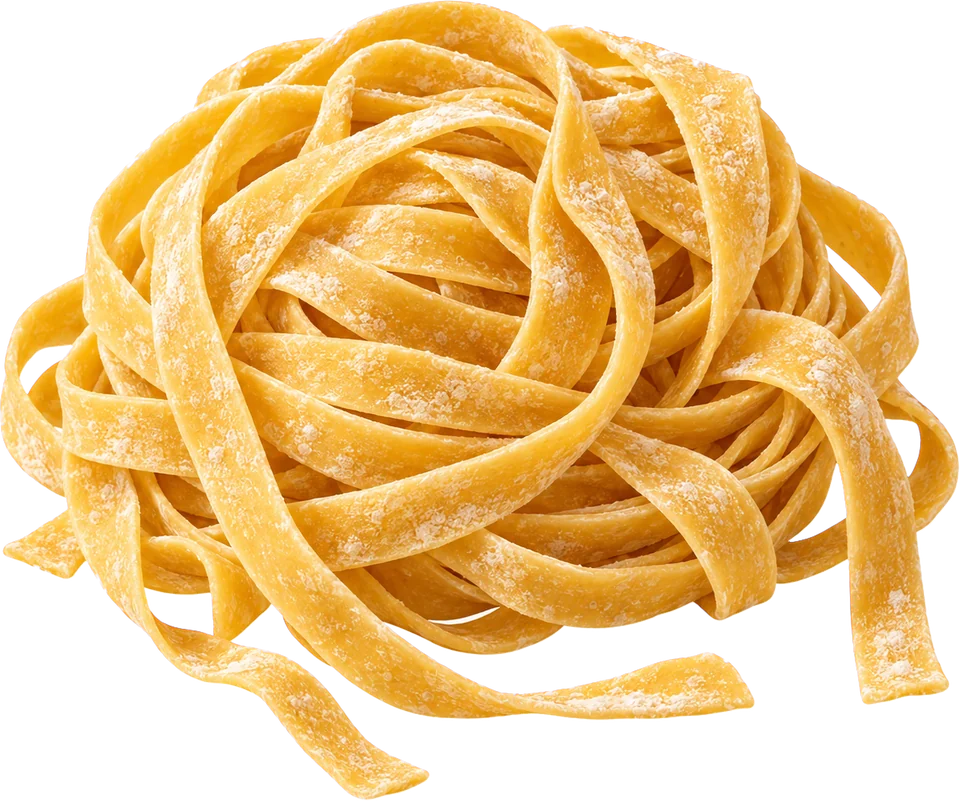
Fettuccine are cut from a sheet rolled with a pin a metre long until light shows through it. Through the nineteenth century Roman “maccheroni” meant exactly this, a ribbon off a sheet.
Press the guitar frame
Rome's square-cut strands are made by pressing a sheet of dough through a frame of taut wires by hand. Dried pasta became a factory product with a drying method invented at Torre Annunziata in 1919.
The story
Egg, soft wheat and a long rolling pin for fresh Roman pasta.
A Roman pasta kitchen works egg and soft wheat flour into a smooth dough. After resting, it is rolled into a sheet thin enough for light to pass through. The cook folds it loosely, cuts ribbons with a long knife and shakes them into nests for the day's meal.
Dried pasta follows another method. Durum semolina and water make firm shapes that keep for months and travel well. Rome eats both. Fresh pasta is tender; dried pasta has a firmer bite.
Rome's pasta shops still sell fresh ribbons and filled shapes. Watch for flour on the counter and trays made that morning, then compare them with a trattoria dish made from dried pasta.
Today
Rome's fresh pasta shops still sell ribbons and filled pasta every day, though most now roll the dough with a machine instead of a long pin.
What this kitchen cooks
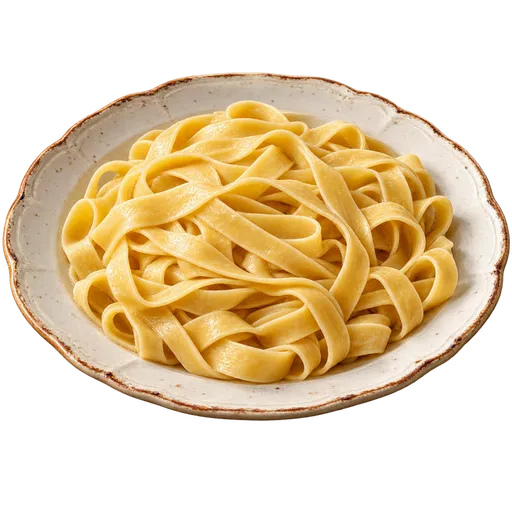
- FettuccineFettuccineA sheet of soft-wheat dough rolled thin with a long pin, folded over and cut into ribbons, cooked the same day.
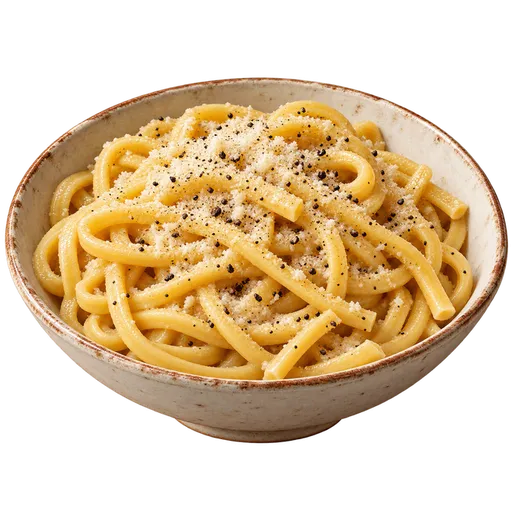 Guitar-cut stringsTonnarelliSquare strings cut by pressing the sheet through strung wires, thicker than fettuccine, and the shape Romans use for cheese sauces.
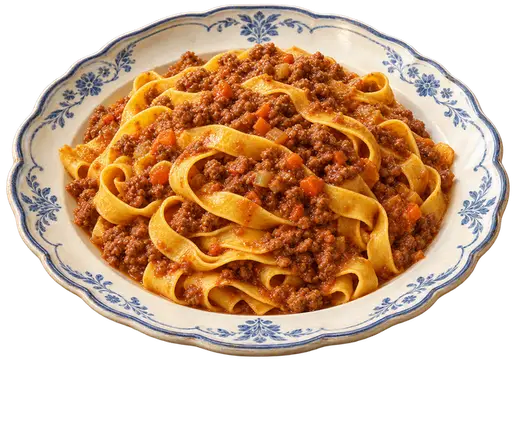 Tagliatelle with meat sauceTagliatelle al ragùEmilian, and in Artusi's book of 1891: minced beef and pork cooked down slowly with soffritto, wine and milk.
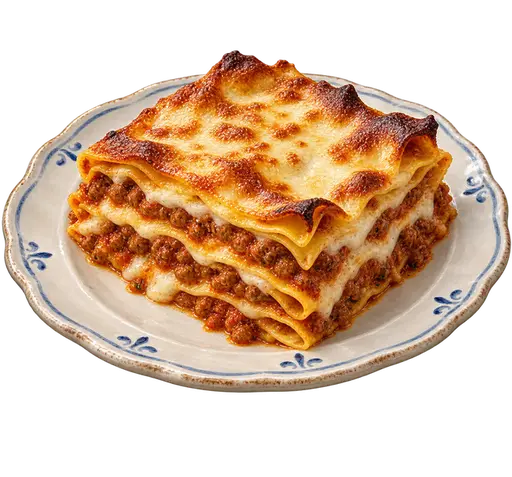 Baked pasta sheetsLasagneSheets of the same dough layered with meat sauce and béchamel and baked until the top corners go dark.
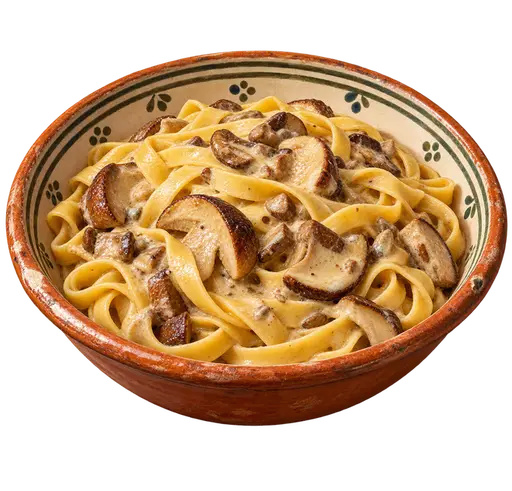 Pasta with porciniPasta ai funghiPorcini picked under the chestnut trees, sliced and cooked in butter and cream: the autumn sauce for pasta from this board.
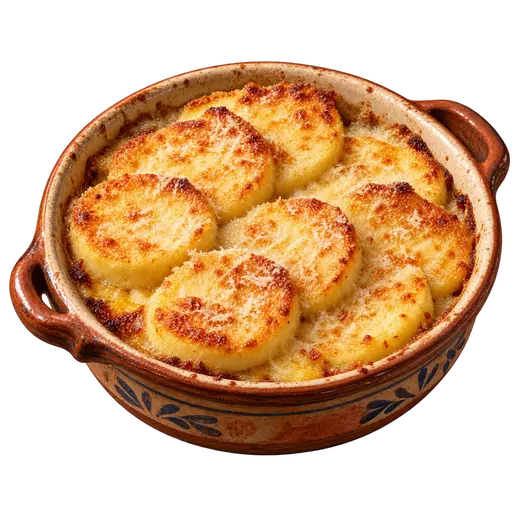 Semolina gnocchiGnocchi alla romanaSemolina cooked thick in milk, spread out to set, cut into discs with a glass and baked under butter and cheese.
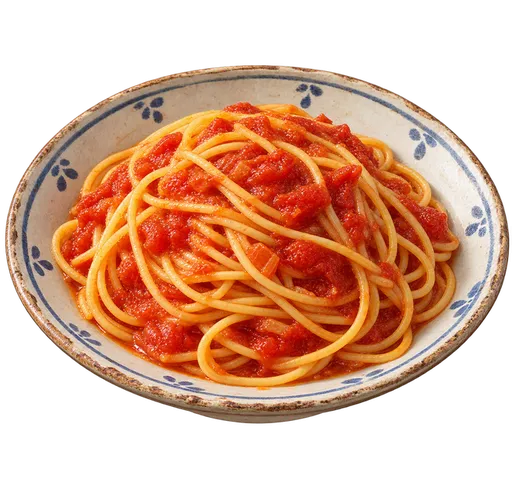 Spaghetti with tomatoSpaghetti al pomodoroCavalcanti put vermicelli with tomato into his Neapolitan book in 1837; tomato sauce was still new then.
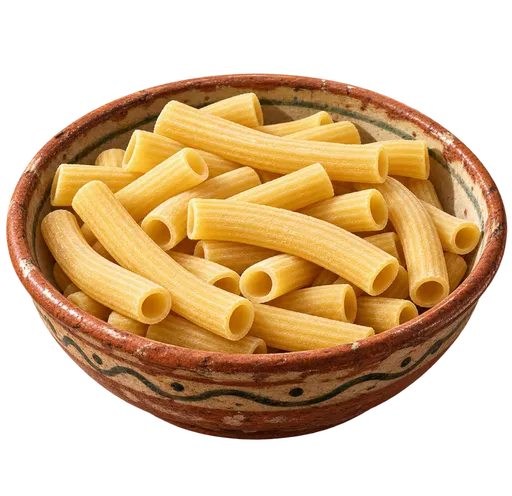 Dried maccheroniMaccheroni di GragnanoDurum pasta from the Campanian towns whose main streets were laid out wide to catch the sea wind for drying.
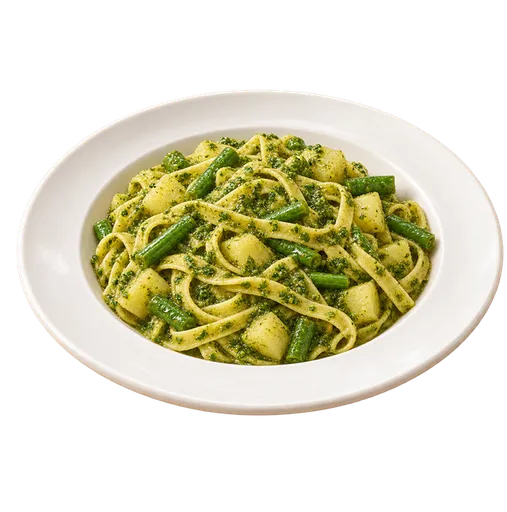 Pasta with basil pestoTrenette al pestoGenoa's raw sauce of basil, pine nuts, garlic and two cheeses pounded in a marble mortar; a Genoese cookbook first printed it in 1863.
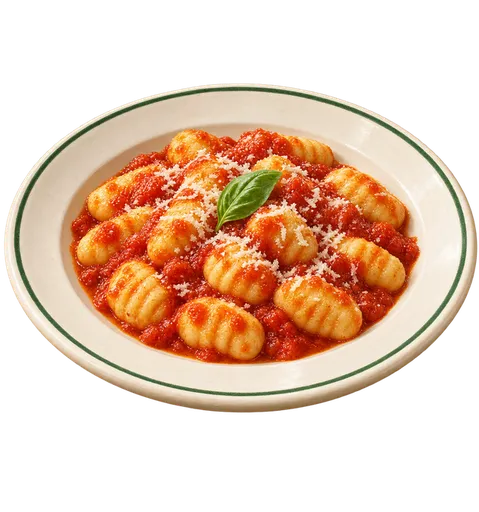 Potato gnocchiGnocchi di patatePotato worked with flour into soft dumplings and rolled off a fork; Rome eats gnocchi on Thursdays, as the saying goes.
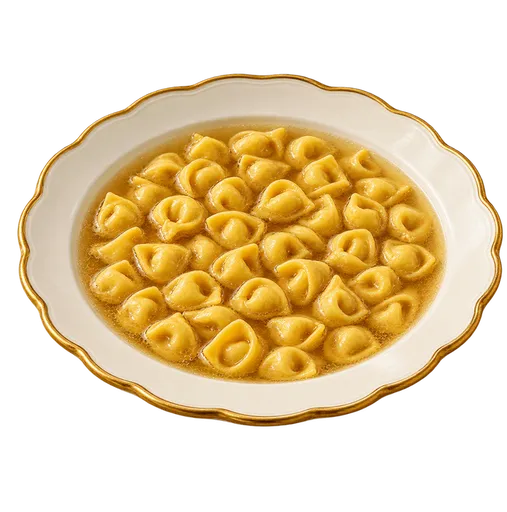 Tortellini in brothTortellini in brodoFrom Bologna: tiny rings of egg pasta filled with ham, mortadella and Parmigiano, served in capon broth; Artusi gives the recipe in 1891.