Market / shop · Sicily · Sicilia · Italy · around 1900
The pasticceriaPasticceria
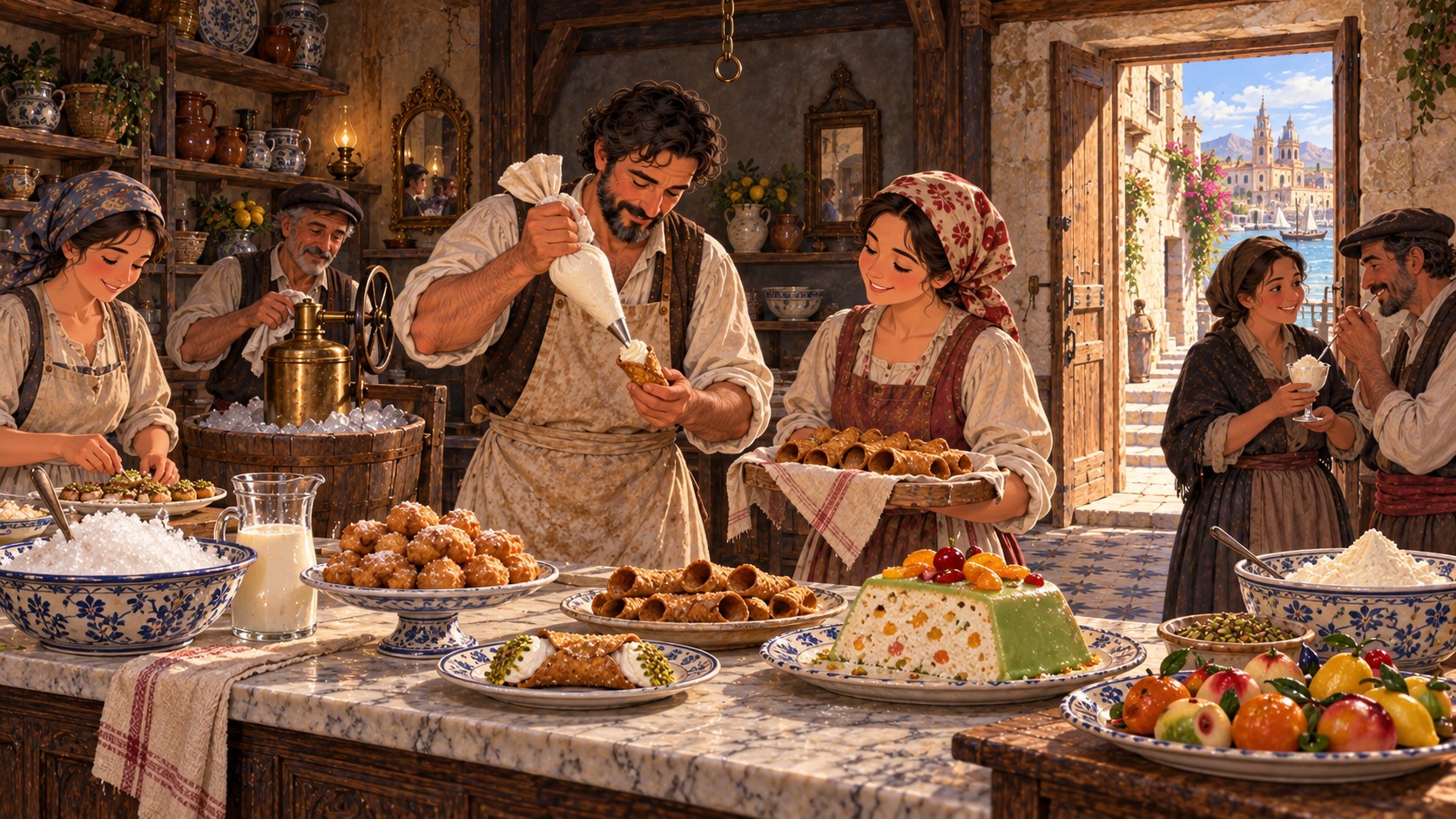
Ricotta, almond and ice, and a calendar of feast days to sell them on.
What to look for
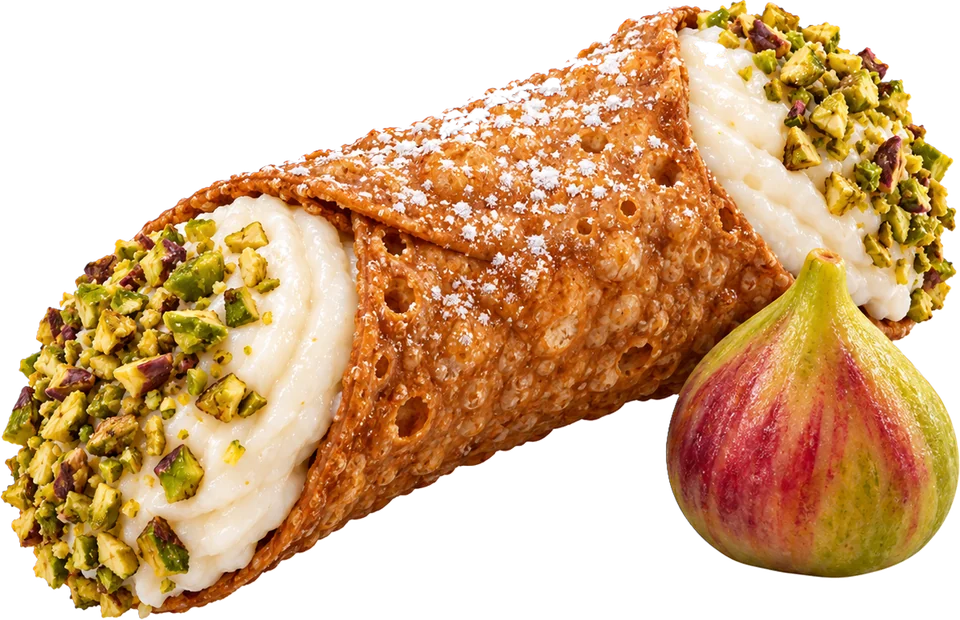
Fill the shell
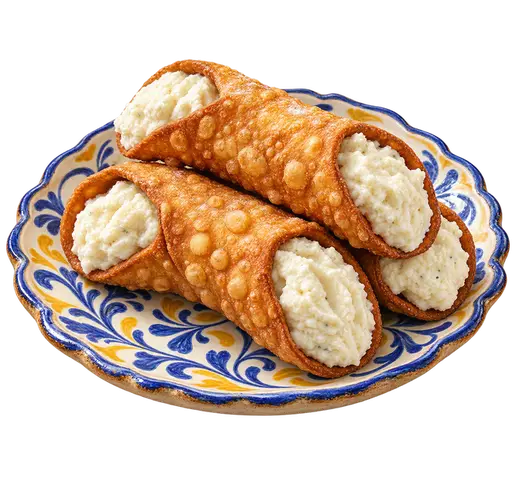
A cannolo is filled to order, because a filled shell goes soft by evening. One story says it was first made in an emir's harem at Caltanissetta, but that is only a story.
Cut the layered cake
Cassata, the ricotta and sponge cake, came out of convent kitchens. It is made only for Carnival and Easter. The Arabic origin often given for it is a legend.
Turn the ice tub
The ice came down from the mountain. Men who worked the snow pits cut it and packed it in straw the winter before. That trade died out in the early 1900s.
The story
Sweet ricotta, almonds and hand-churned ice for Sicily's feast days.
A Sicilian pasticceria fills crisp cannoli shells with sweetened sheep's ricotta when a customer orders. Chopped pistachio finishes the ends. Cassata layers sponge, ricotta and almond paste, while fruit ices are frozen by turning a metal canister inside salted ice.
The shop follows seasons and celebrations. Ricotta is best when the sheep are giving rich milk, citrus brightens winter sweets, and cold desserts arrive with hot weather. Convent kitchens, local dairies and the old snow trade all contributed to this pastry tradition.
Choose a busy pasticceria that fills cannoli to order. Try one local speciality and a granita or gelato, then ask which local ingredient gives each its flavour.
Today
The snow trade ended once refrigeration arrived. Granita and gelato are now made with electric machines, though good shops still fill cannoli to order.
What this kitchen cooks
- CannoliCannoliFried tubes of dough filled with sweetened sheep's ricotta to order, because a filled shell goes soft by evening.
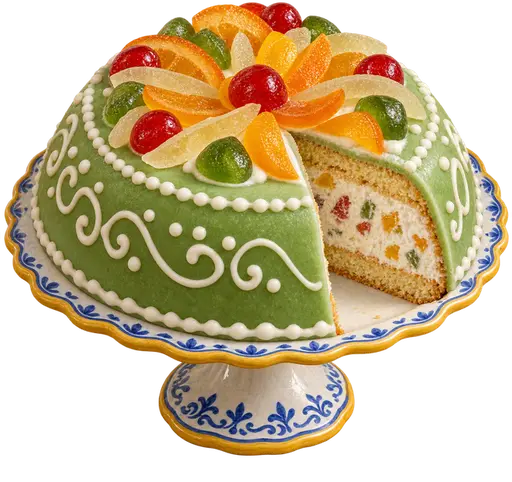 CassataCassata sicilianaRicotta and sponge under green marzipan and candied fruit, a Carnival and Easter cake out of the convent kitchens.
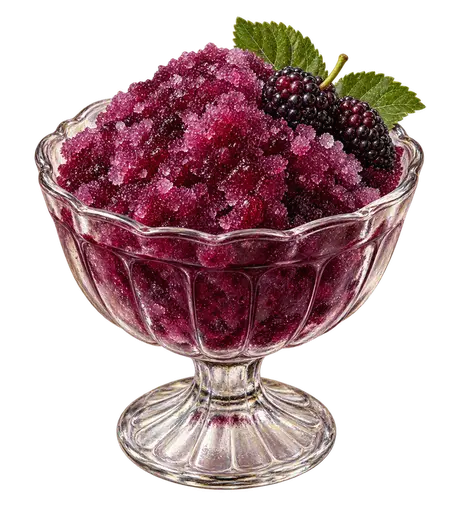 GranitaGranitaIce flavoured with lemon, coffee, almond or mulberry, made from snow carried down off Etna the winter before.
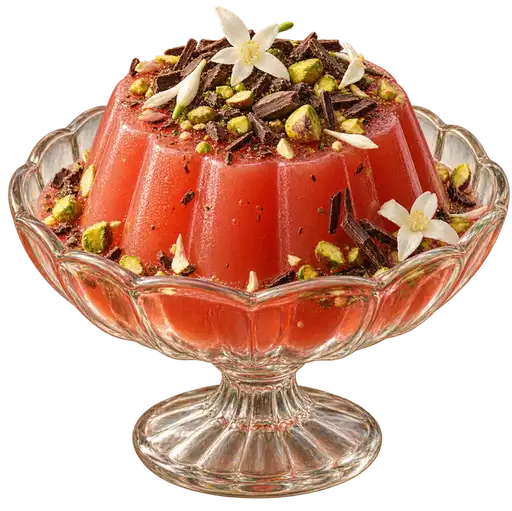 Watermelon puddingGelu di muluniWatermelon juice set with starch, scented with jasmine and scattered with chocolate and pistachio, a July sweet.
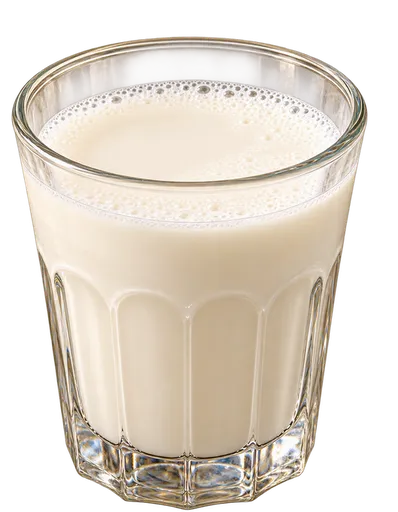 Almond milkLatti di mènnulaAvola Pizzuta almonds pounded with water and sugar and strained through a cloth, drunk cold all summer.
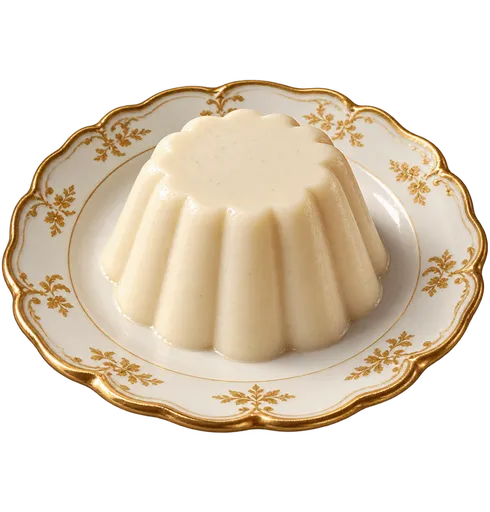 Almond blancmangeBiancomangiareAlmond milk thickened with starch and turned out of a mould, the oldest sweet in the whole shop.
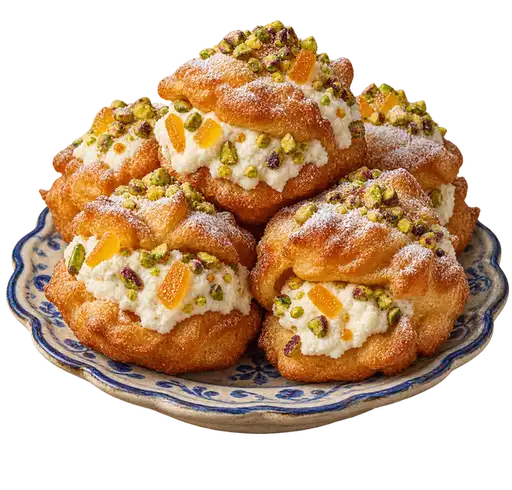 St Joseph's frittersSfinci di San GiuseppeFried choux piled with ricotta, candied peel and pistachio and sold only around the nineteenth of March.
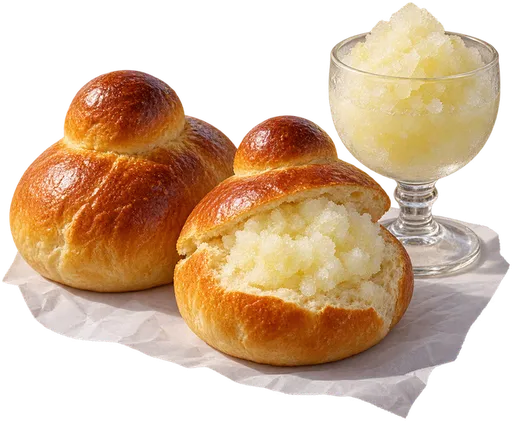 Brioche with topknotBrioche col tuppoA soft round brioche with a small knot on top, split and filled with granita for breakfast in the Sicilian summer.
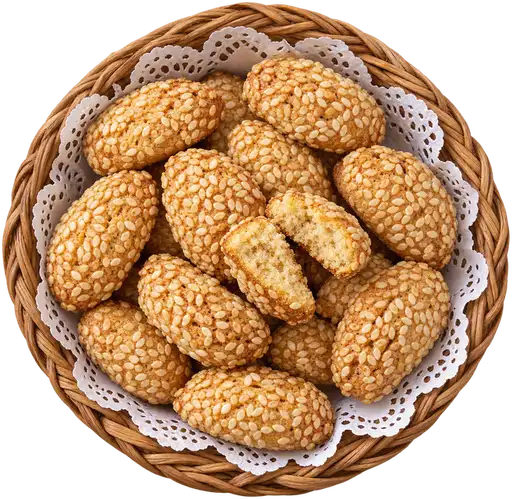 Sesame biscuitsBiscotti reginaSmall oval biscuits made with lard, rolled in sesame seeds and baked, sold by weight in every Palermo pastry shop.