Market / shop · Sicily · Sicilia · Italy · around 1900
BallaròBallarò
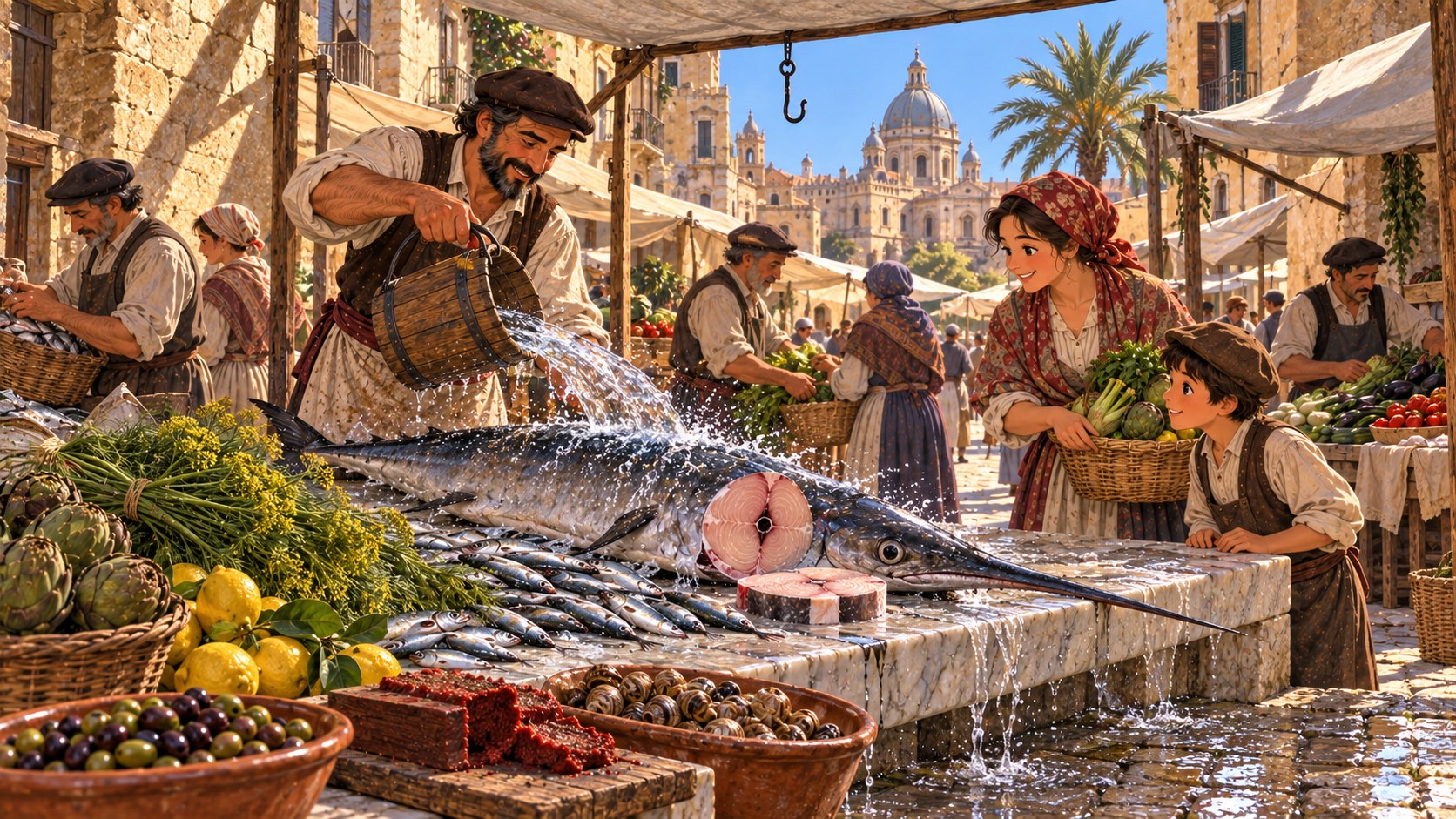
Palermo’s Ballarò market: vendors sing out what they sell, and water is thrown over the swordfish all morning.
What to look for
Throw the water
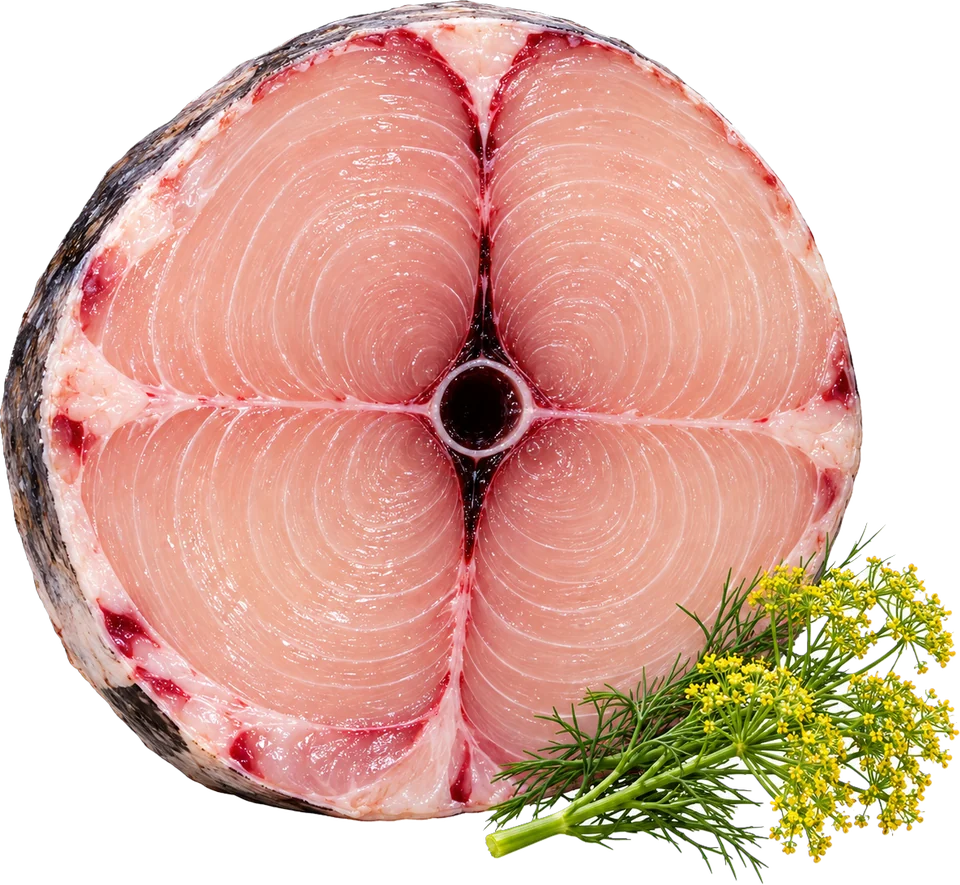
The slab is kept wet through the morning so the fish does not dry and dust does not settle. Swordfish is harpooned from small boats in the Strait of Messina, a way of fishing Polybius described in the second century BC.
Take the fennel
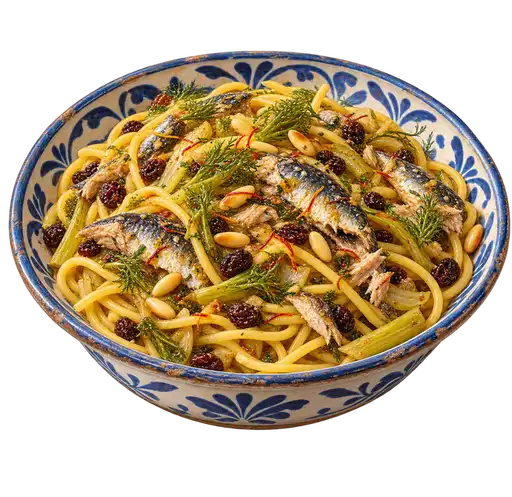
Wild fennel is gathered off the hillsides rather than grown, and it is the one ingredient the island's most famous sardine pasta cannot do without.
Press the tomato paste
Before there were canneries, tomato was dried on boards in the sun for days into a dark paste, estratto. Francesco Cirio opened his first tomato cannery at Naples in 1875.
The story
Fish, fennel, aubergines and preserved tomato in Palermo's market lanes.
Ballarò works as a pantry and an outdoor kitchen. Stalls sell swordfish, sardines, wild fennel, aubergines, salted capers and dark tomato extract. Nearby fryers turn chickpeas, potatoes and rice into food that can be eaten while walking.
Vendors call out their goods in the abbanniata, a sales cry that carries along the lane. The cries tell buyers where the freshest fish is, and they keep the lane loud and friendly. The goods come from fishing towns, farms and dry terraces across the island.
Go in the morning with an appetite and small change. Start with one fried snack, look at what fish is in season, and notice the jars, pastes and salted foods that let Sicilian flavour last beyond the harvest.
Today
Ballarò still runs daily and the abbanniata is still heard. In recent decades Bangladeshi, West African and other immigrant traders have set up beside the Sicilian ones.
What this kitchen cooks
- Pasta with sardinesPasta chî sardiFresh sardines, wild fennel off the hillsides, pine nuts, currants and saffron: the whole market on one plate.
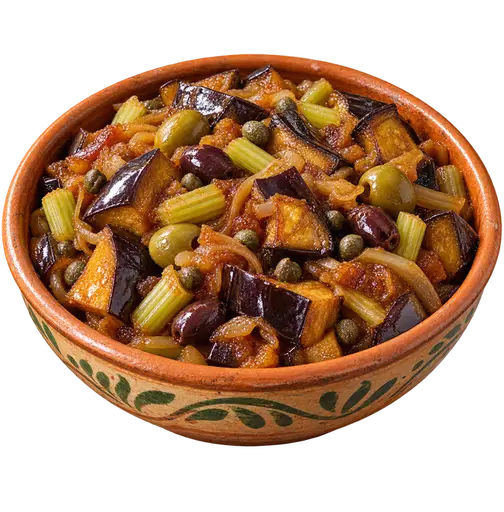 Sweet-and-sour aubergineCaponataAubergine fried and stewed with celery, olives, capers and vinegar sweetened with sugar, eaten cold the next day.
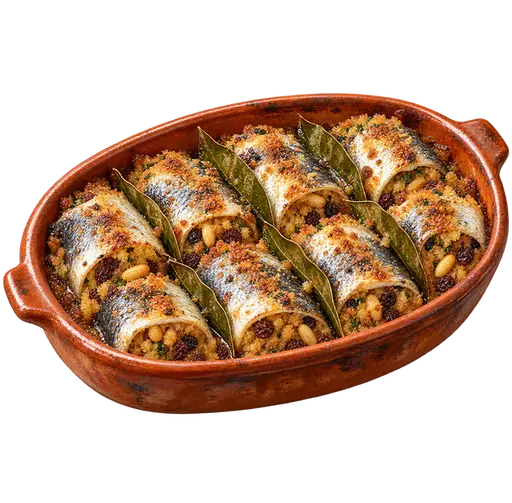 Stuffed sardinesSarde a beccaficoSardines boned, rolled round breadcrumbs, currants and pine nuts and baked in a row with bay leaves between them.
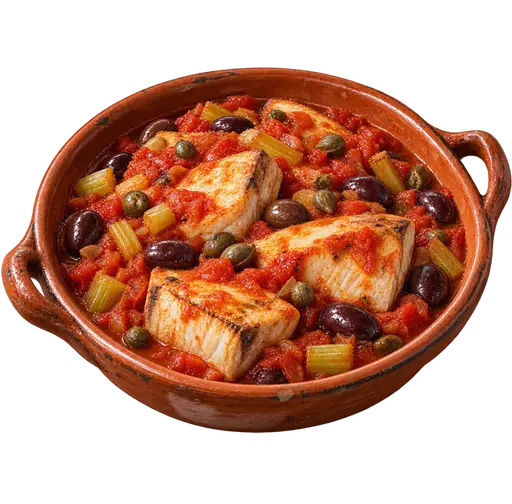 Swordfish with olives and capersPisci spata a ghiottaSwordfish cooked with tomato, olives, capers and celery, from the boats that harpoon it in the straits.
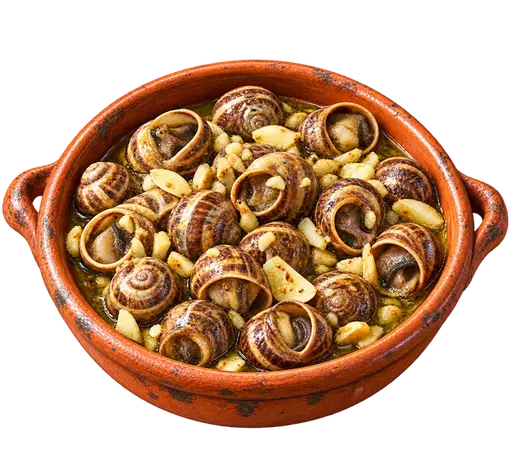 Snails with garlicBabbaluciSmall snails gathered after rain, cooked with oil and garlic and sucked out of the shell at the July feast.
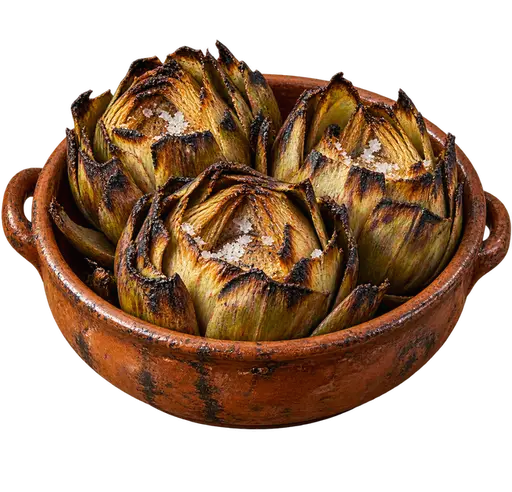 Artichokes in the coalsCarciofi arrustutiWhole artichokes stood upright in the embers until the outer leaves char, then opened by hand and salted.
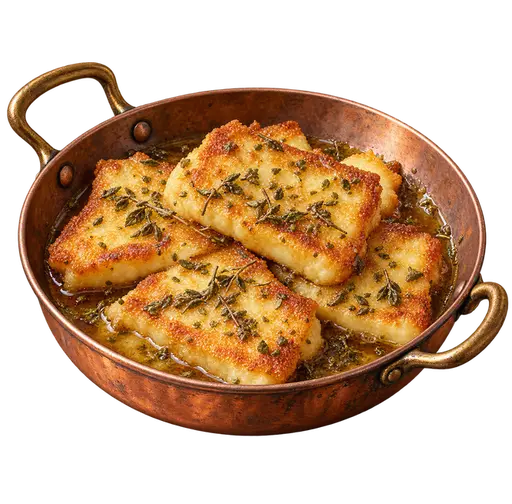 Fried cheese with vinegarCacio all'argentieraSheep's cheese fried with oregano and vinegar, named in local tradition for a silversmith who made it smell like meat.
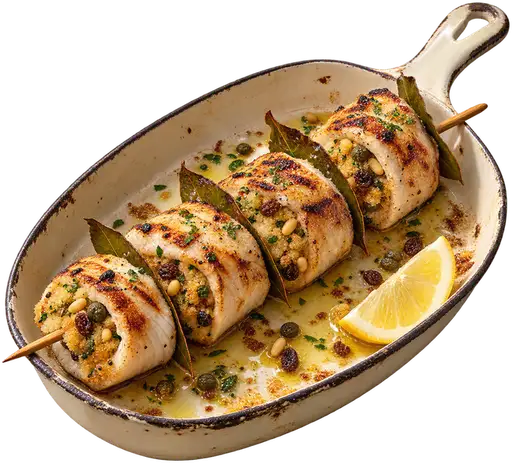 Stuffed swordfish rollsInvoltini di pesce spadaThin slices of swordfish rolled round breadcrumbs, capers, pine nuts and raisins, threaded with bay leaves and grilled.