Street stall · Galicia · Galicia · Spain · around 1900
The fair cauldronPolbo á feira
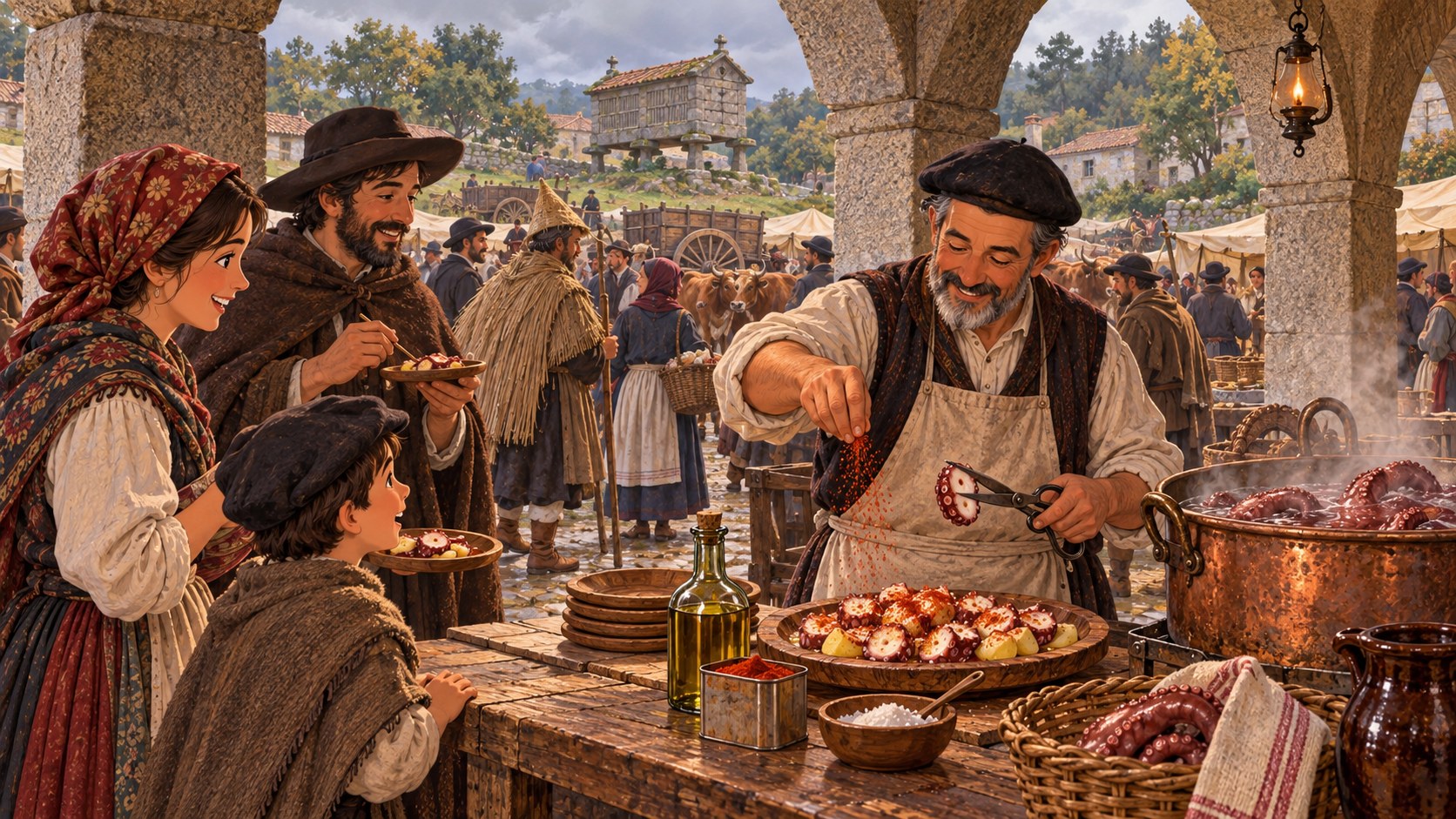
Octopus from a copper cauldron, cut with scissors onto a wooden plate under a granite arcade.
What to look for
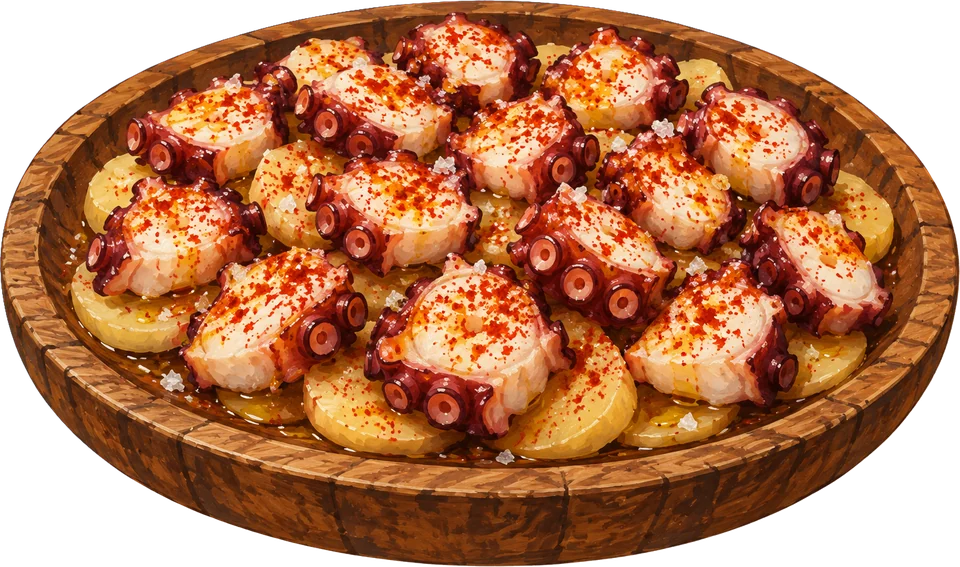
The cut piece
The octopus is cut with scissors, which is why the pieces are round-edged and even.
The paprika tin
Maragato muleteers from León brought the paprika from Extremadura into inland Galicia, along the same routes as the dried octopus.
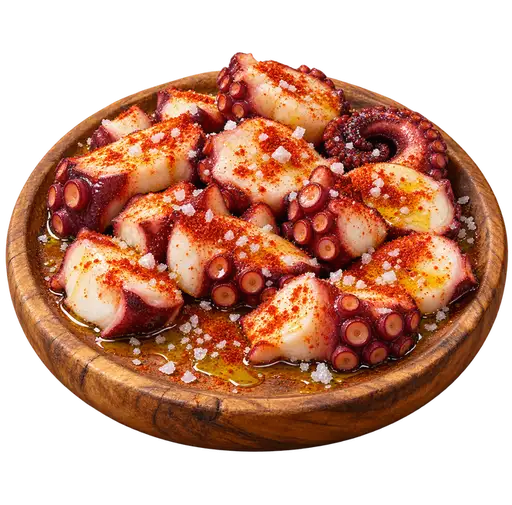
The wooden plate
Polbo á feira means octopus at the fair. The name comes from the fair where it was sold, not from a way of cooking it.
The story
Galician octopus with potatoes, paprika, olive oil and coarse salt.
Polbo á feira means octopus served at the fair. The cook simmers the octopus in a cauldron, cuts the curled arms with scissors over boiled potatoes and finishes the plate with paprika, olive oil and coarse salt. The wooden plate holds the juices, and a cocktail stick is often the only utensil.
The dish developed at inland Galician cattle fairs, where dried octopus from the coast could travel well. Pulpeiras, specialist octopus cooks, still set up at fairs and festivals. At a pulpería in Galicia the cook asks whether you want the paprika sweet or hot.
Today
Pulperías now serve octopus in Galician towns all year, and O Carballiño holds a large octopus festival each August.
What this kitchen cooks
- Fair-style octopusPolbo á feiraOctopus boiled in a copper pot, cut with scissors onto wood and dressed with oil, coarse salt and paprika.
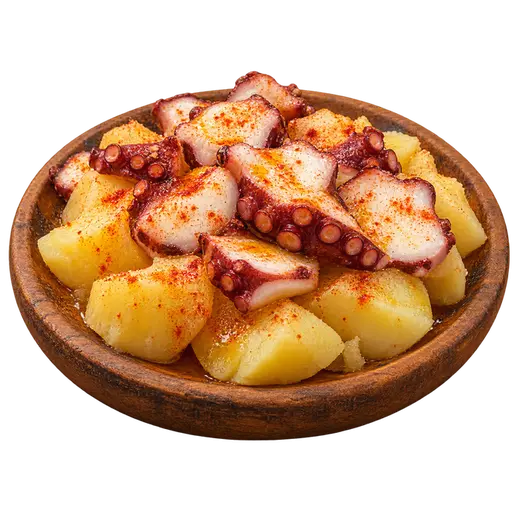 CachelosCachelosPotatoes boiled in the same water as the octopus and laid under it, which is how the plate is built.
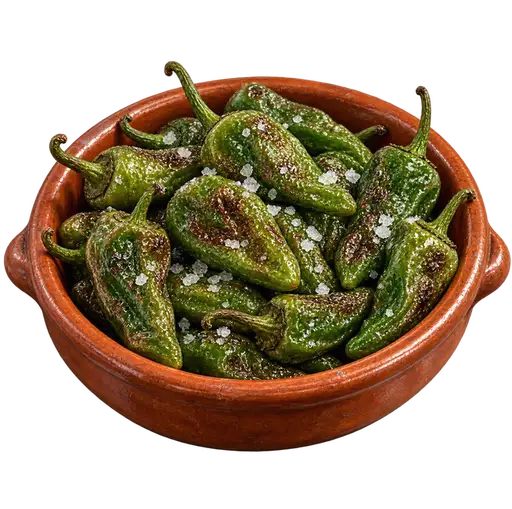 Padrón peppersPementos de PadrónSmall green peppers from Herbón fried whole in oil and salted; some bite and most do not.
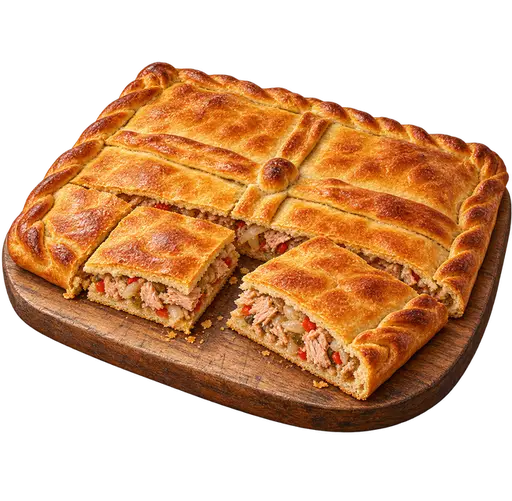 Galician pieEmpanada galegaA flat pie of bread dough filled with tuna, cockles or pork and onion, cut into squares at the fair.
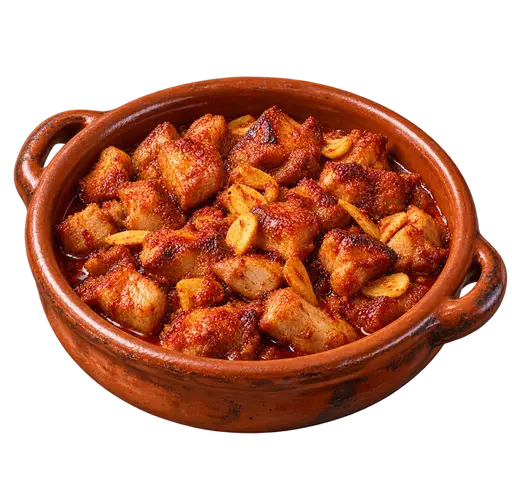 ZorzaZorzaPork diced and left in paprika, garlic and wine, then fried; the same stall fries it beside the cauldron.
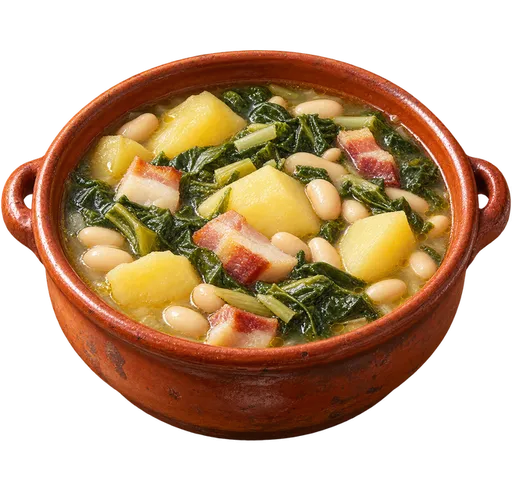 Galician brothCaldo galegoPotatoes, beans and turnip greens with a little pork fat, the bowl that starts a cold fair day.
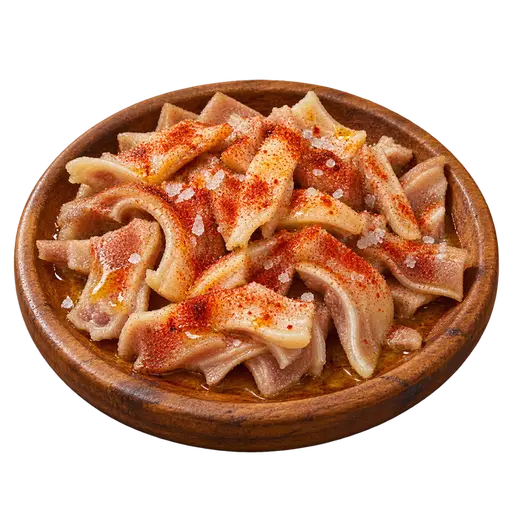 Boiled pig's earOrella á feiraPig's ear boiled soft, cut up and dressed like the octopus with oil, salt and paprika.
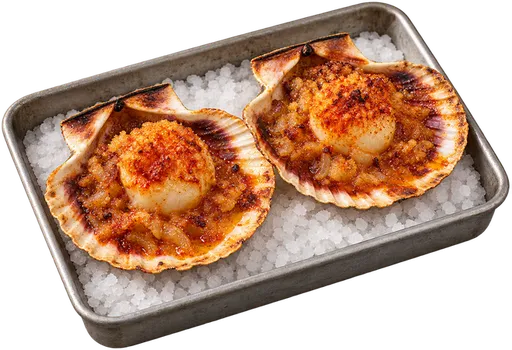 Baked scallopsVieiras á galegaScallops baked in their own shell under onion, paprika and breadcrumbs; the shell is also the badge pilgrims carry to Santiago.
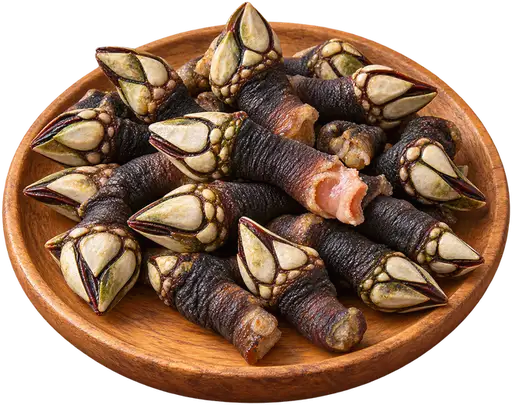 Goose barnaclesPercebesBarnacles prised off wave-beaten rocks on the Costa da Morte, boiled for a minute in salted water and twisted open by hand.
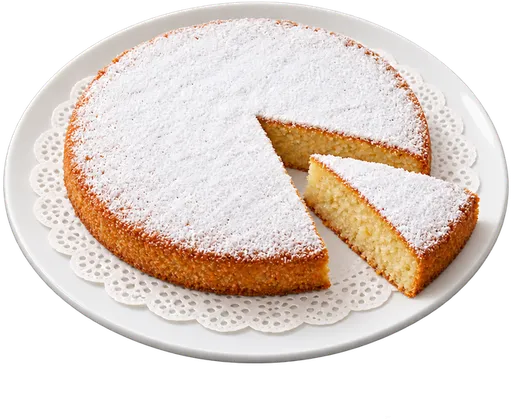 Santiago almond cakeTarta de SantiagoA flat cake of ground almonds, eggs, sugar and lemon with no flour; the cross of Saint James stencilled on top dates from 1924.