Ingredient · London · Westminster & the Docks · United Kingdom · around 1900
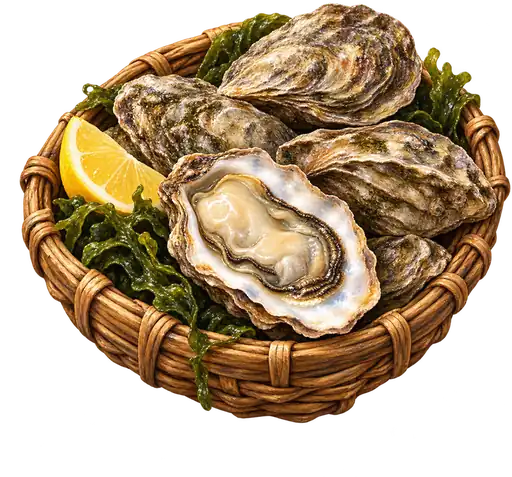
The oyster smacksNatives
A cheap London shellfish that became scarce and expensive.
The story
Oysters once fed London in huge numbers. Boats brought them from estuary beds to Billingsgate, where they were opened on barrows, baked into pies and added to meat dishes. Their salty juice stretched a little beef and gave working people an affordable source of protein.
Overfishing, polluted water and disease reduced the beds by the early twentieth century. Oysters then became a special purchase. Today, find native and rock oysters at coastal farms, fish markets and seafood bars. Ask where they were grown, then taste one plain before adding lemon or shallot vinegar.
Today
Oysters are now an expensive treat. Billingsgate fish market moved to the Isle of Dogs in 1982, and Whitstable in Kent still farms and sells oysters.
What people make with it
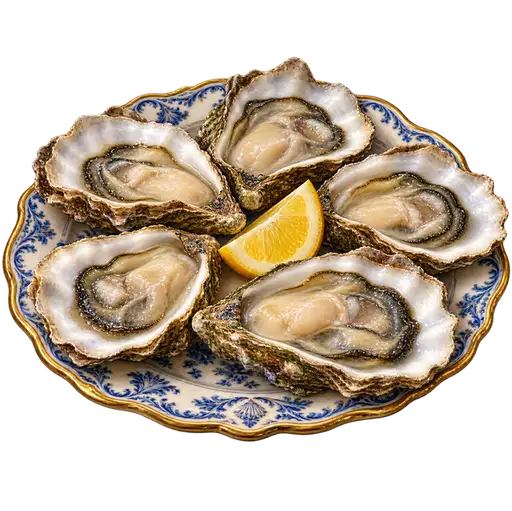 Oysters on the half shellFresh oysters opened to order and served in their deep shell, plain or with lemon and shallot vinegar.
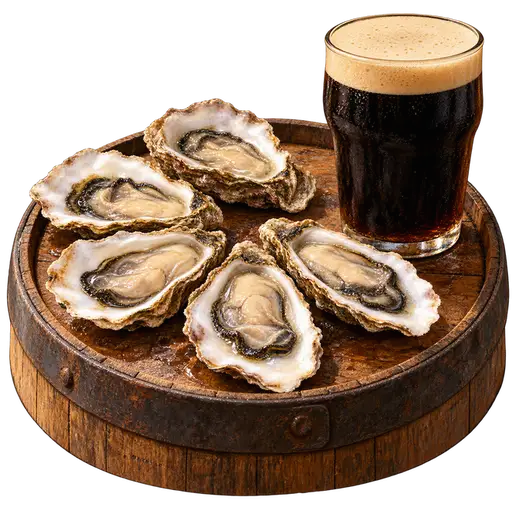 Oysters and stoutRaw oysters eaten with a dark, roasted-malt beer, once an inexpensive London market meal.
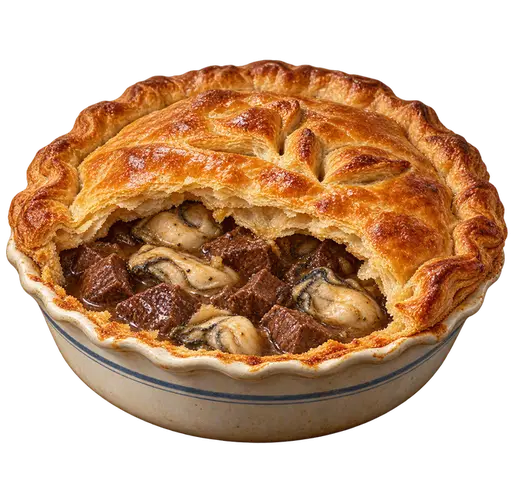 Steak and oyster pieA few oysters added to slow-cooked beef so their salty liquid deepens the gravy under the pastry.
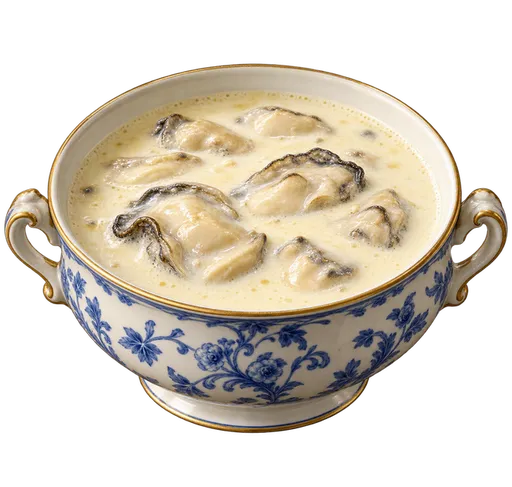 Oyster soupOysters warmed gently in a light milk or cream soup so they stay tender.