Market / shop · London · Westminster & the Docks · United Kingdom · around 1900
The marketBorough Market
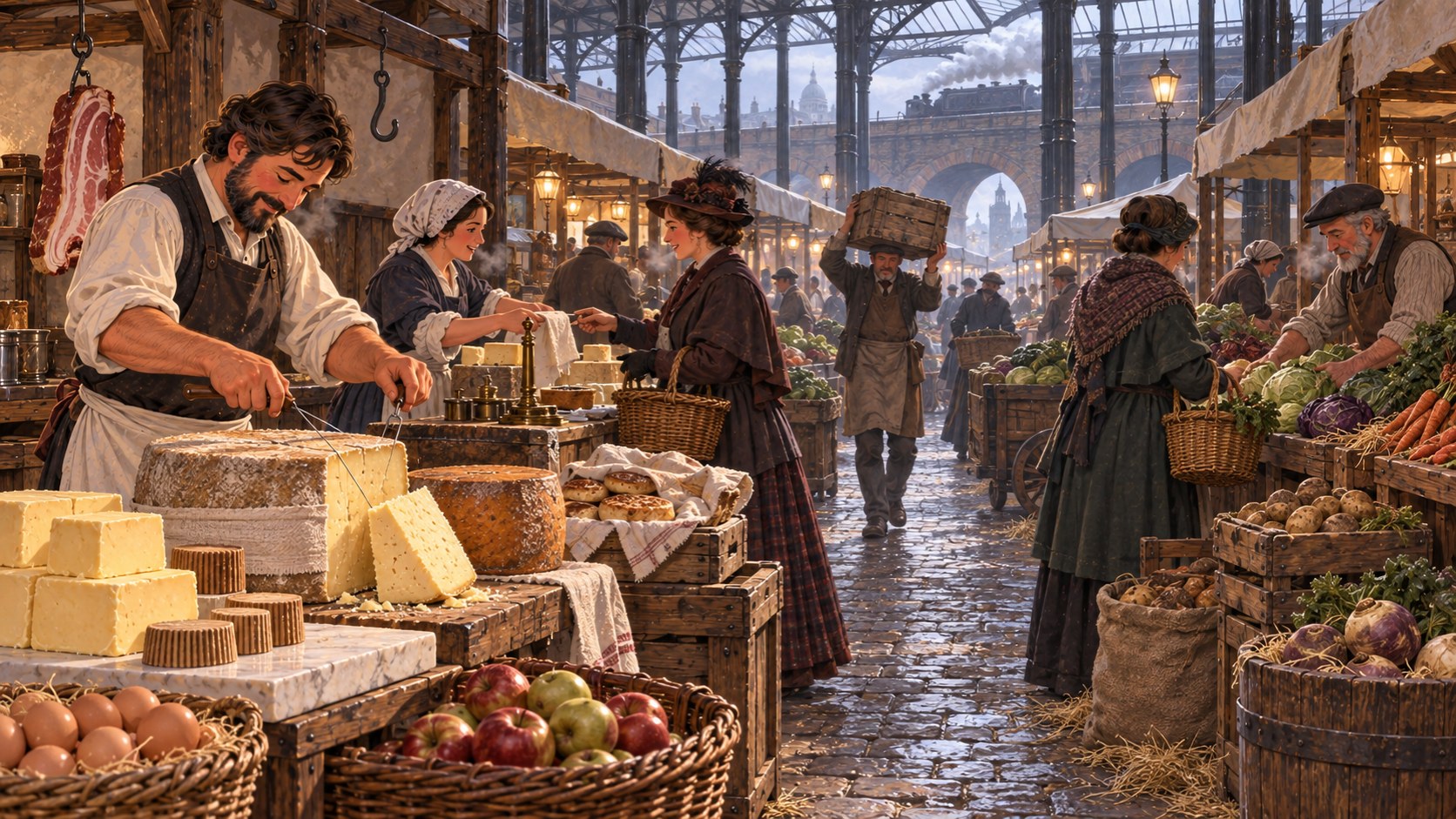
Four in the morning under iron and glass: a wire cutting through a wheel of cheese, butter on marble, and a train over the stalls.
What to look for
Draw the cheese wire
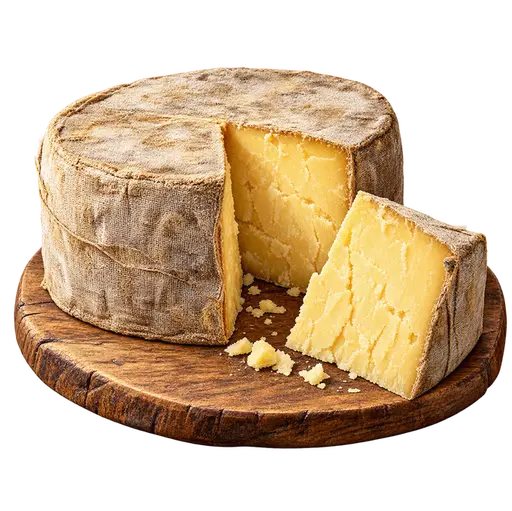
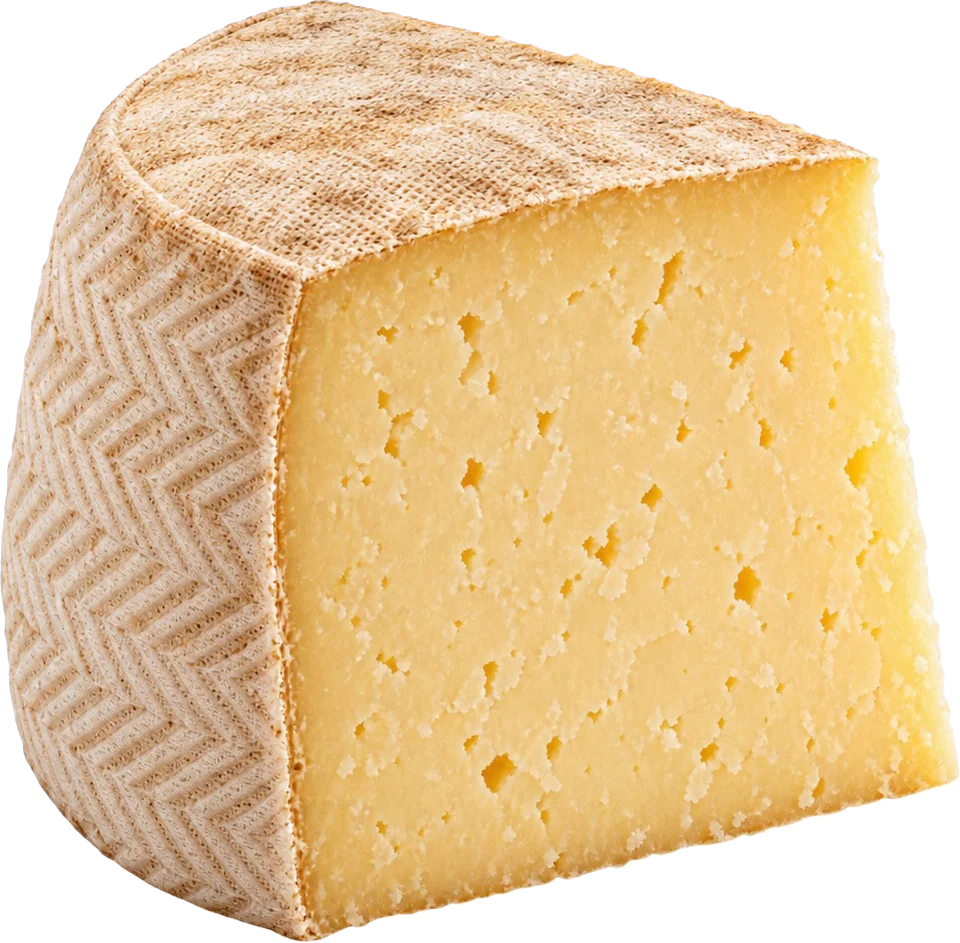
A truckle is a drum-shaped cheese. This one is wrapped in muslin cloth and rubbed with lard, so it can breathe and be carried without losing its shape. The wire cuts cleanly through it, where a knife blade would drag and crumble the cheese.
Work the butter pats
Butter is shaped between two ribbed wooden pats and sold by weight from a marble slab. Marble stays cold while everything else in the hall warms up. The ribs stop the butter sticking to the wood.
Look in the apple basket
The market has traded on this ground since the Borough Market Act of 1756 gave the parish of St Saviour's Southwark the right to hold it, and most of the buildings date from 1851. A railway viaduct was built through the market in 1860, which is why trains pass over the stalls.
The story
Cheese, butter, game and vegetables arriving in London before dawn.
Borough Market linked farms, railways and London kitchens. At dawn, porters moved Cheddar, Cheshire cheese, bacon, game, potatoes, cabbages, apples, butter and eggs under the iron roof. Marble kept the butter cool, while cloth and lard protected wheels of cheese on the journey.
The market buildings date mainly from the nineteenth century, when the railway viaduct brought produce into Southwark at speed. Nearby pie shops bought eels and meat, pubs bought cheese, and tea rooms bought butter. A city meal often began with somebody unloading it here.
Borough Market is now a busy food market. British and international traders sell regional cheese and baked goods beside ingredients and dishes from other countries.
Today
Borough Market still trades beside London Bridge station. It now sells mainly to shoppers and visitors, no longer to the wholesale trade.
What this kitchen cooks
- Cheddar from the truckleCloth-boundA cloth-bound wheel cut with a wire; the working man's dinner, sold by weight off the same board for centuries.
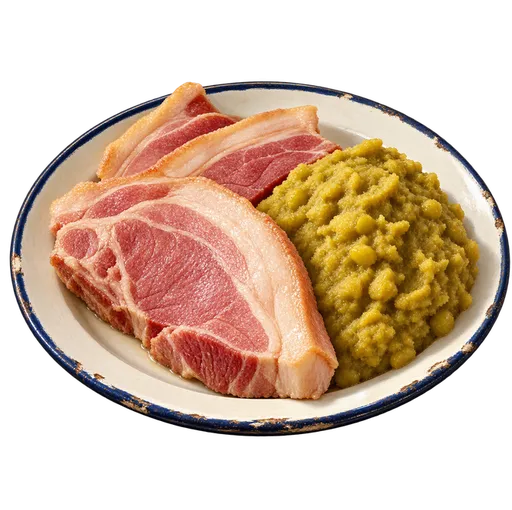 Boiled bacon and pease puddingOff the stallCured bacon boiled beside a cloth bag of split peas, and eaten hot off the stall by the porters.
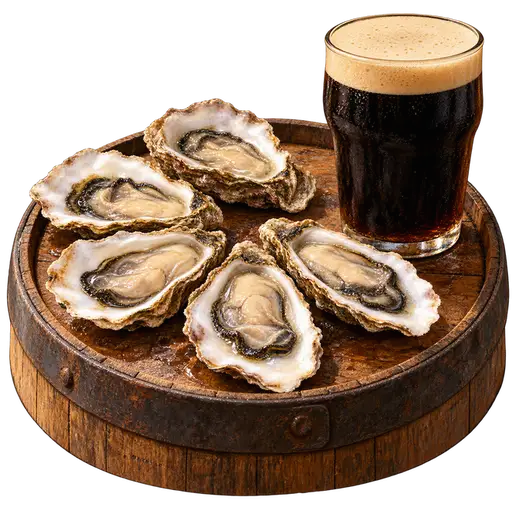 Oysters and stoutNatives by the barrelOpened on the barrel head and swallowed with a glass of stout, still the cheapest thing on the row.
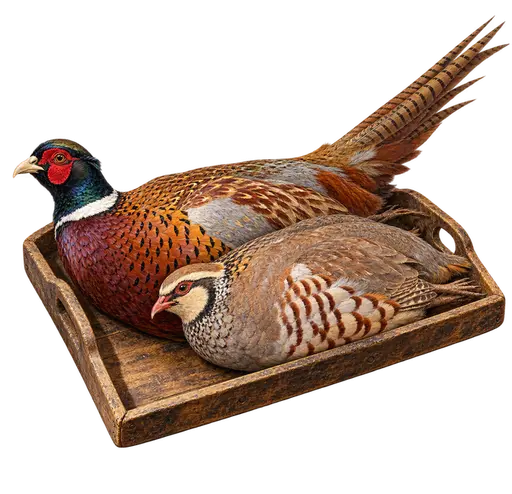 A brace of gameHung gamePheasant, partridge and hare hung by the feet until the meat is tender, then sold to whoever can cook them.
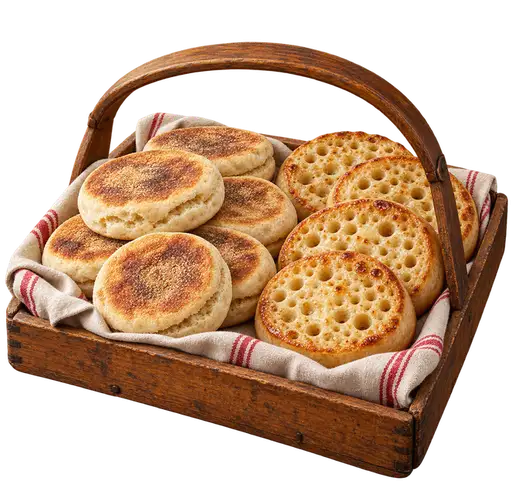 Muffins and crumpetsThe muffin manYeasted rounds cooked on a griddle, carried through the streets under a cloth on a wooden tray.
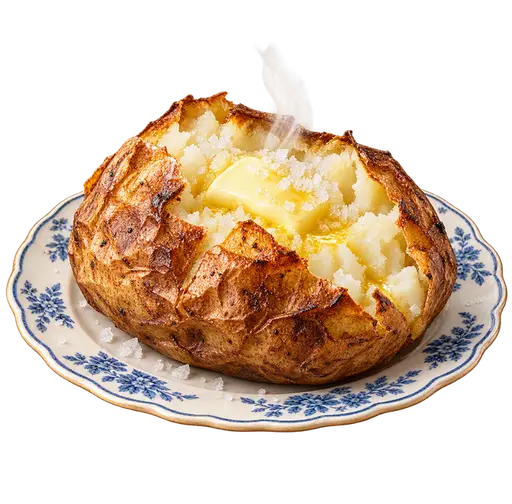 Baked potato from the canThe potato canA charcoal can on wheels sold hot baked potatoes with salt and butter to anyone standing in the cold.
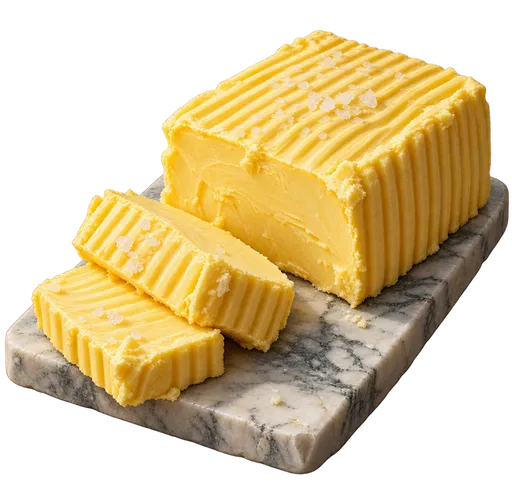 Farm butter off the slabWorked with patsFarm butter salted, worked into shape with ribbed wooden pats and cut to weight off a cold marble slab.