Food journeys
The Journey of Chilli
A wild berry from Mexico that became the taste of Sichuan.
- Mexico
 Seville
- Goa
- Ayutthaya
 The Zhejiang coast
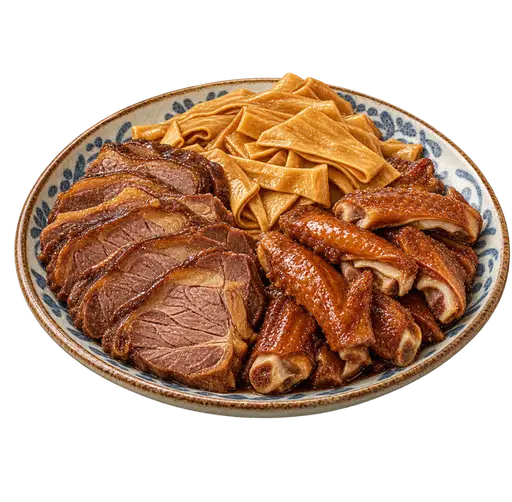 Guizhou
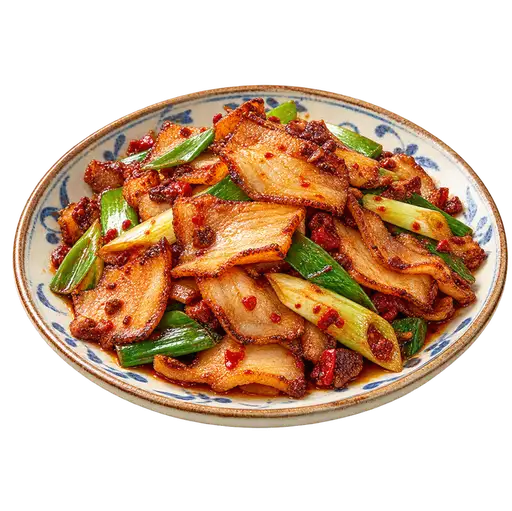 Sichuan
7 stops
c. 4000 BC
A wild berry in Mexico
People in Mexico were gathering wild chillies, then planting them, some 6,000 years ago. The Aztec word chīlli is the one the world borrowed.
Stop 1 Tehuacán, Mexico
1493
Columbus calls it pepper
Columbus was after the black pepper of the Indies and brought chilli home to Spain instead, calling it pimiento. Monks at Yuste, in La Vera, are traditionally credited with first drying and smoking it into pimentón.
1510s
Round Africa to Goa
After the Portuguese took Goa in 1510, their ships carried chillies round the Cape to India. It grew anywhere and dried for the road, and within a century it was in curries across the country.
Stop 3 Goa
- Lizzie Collingham, Curry: A Tale of Cooks and Conquerors (2006)
- Chili pepper (Wikipedia)
1500s
Into the Thai mortar
Portuguese traders reached Ayutthaya in 1511, and chillies came to Siam in the 1500s. They joined galangal and lemongrass in the mortar, and Thai pastes have kept them since.
Stop 4 Ayutthaya · Chilli, galangal & lemongrass
- Portugal–Thailand relations (Wikipedia)
- David Thompson, Thai Food (2002)
1591
Grown for its looks
The first Chinese record, from 1591, lists 番椒, foreign pepper, as a pot plant with pretty red fruit. It was a long time before anyone in the cities thought to eat it.
Stop 5 The Zhejiang coast
1721
Salt for the poor
In the Guizhou hills, where salt was scarce, a gazetteer of 1721 records people eating 海椒, sea pepper, in its place.
Stop 6 Guizhou
1800s to today
Where it met Sichuan pepper
Sichuan cooks already loved the tingle of 花椒; they put the new chilli in the same pot, and the pair became 麻辣, numbing-hot. China now grows more chillies than any other country.
Stop 7 Chengdu, Sichuan · Chilli