Market / shop · Rome · Roma · Italy · around 1900
Campo de’ FioriCampo de' Fiori
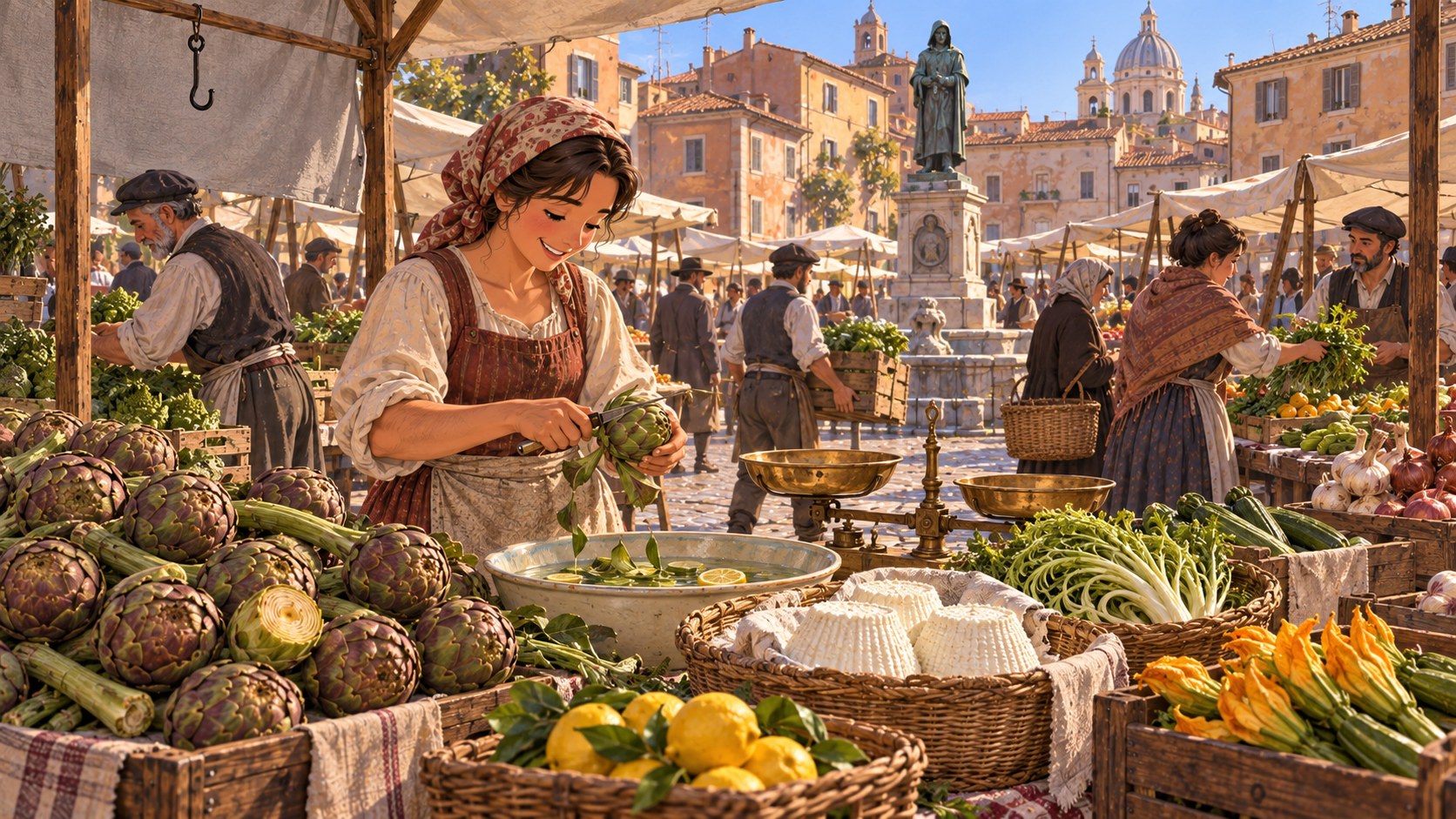
The market moved into this piazza in 1869, and the statue over it went up in 1889. Here artichokes are trimmed by turning them against a knife.
What to look for
Turn the artichoke
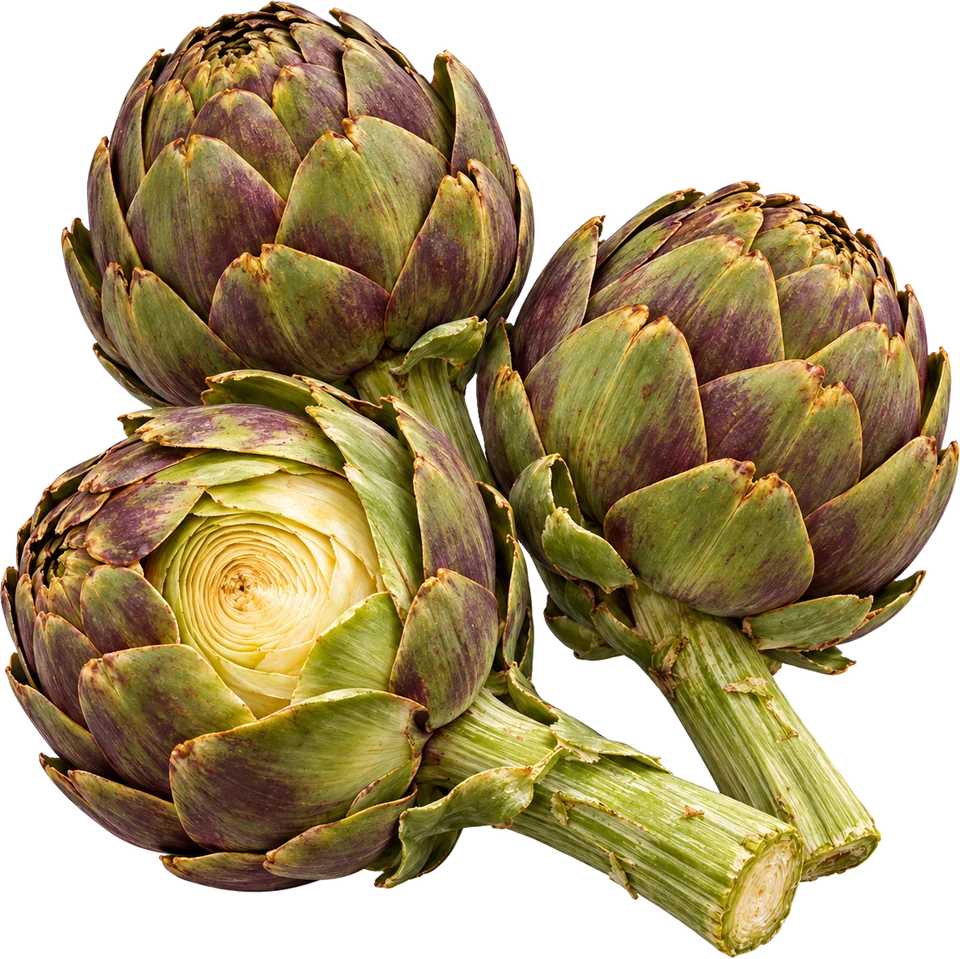
The flat Roman artichoke without spines is the cimarolo, the first head on the plant. It is cut so that the others can grow. Records show artichokes grown in central Italy from the fifteenth century. The idea that the Etruscans already grew them is a legend drawn from tomb paintings.
Look in the ricotta basket
Ricotta is made from the whey left over from cheesemaking. The whey goes back on the fire until soft curds rise to the top. It does not keep, so it is sold on the morning it is made.
Read the balance
Goods were weighed on a hand scale, and haggling over the price was part of the routine. The statue behind the stalls is Giordano Bruno, unveiled on 9 June 1889, twenty years after the market moved into this piazza.
The story
Artichokes, chicory, beans and herbs at the centre of Roman cooking.
Campo de' Fiori has held a food market since 1869. Roman cooks come for artichokes, chicory, puntarelle, broad beans, wild mint and fresh ricotta. Roman cooking is built on this produce: vegetables, pasta and cheese, with only a little meat.
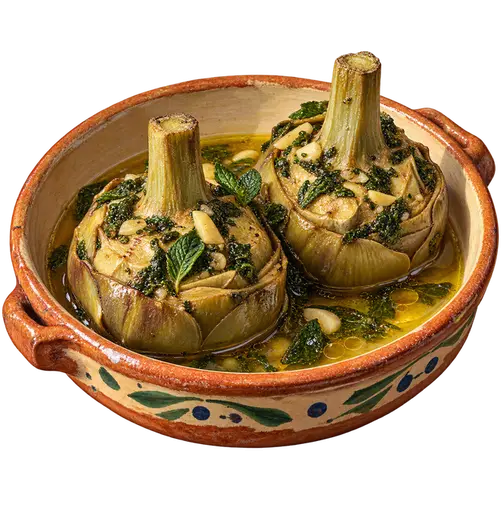
The Roman artichoke is trimmed down to its tender heart and stalk. Cooks braise it with garlic and mentuccia for carciofi alla romana, or open and fry it until crisp for carciofi alla giudia. So one vegetable gives the city two classic dishes.
The modern market is busiest in the morning. Visit in artichoke season, then try the cooked versions in a Roman trattoria or in the historic Jewish quarter a short walk away.
Today
The market still runs every morning except Sunday, but it now sells mostly to tourists. Many Romans shop at neighbourhood markets such as Testaccio's, which moved to a new building in 2012.
What this kitchen cooks
- Braised artichokesCarciofi alla romanaThe flat cimarolo head trimmed round, stuffed with wild mint and garlic and braised upside down in oil and water.
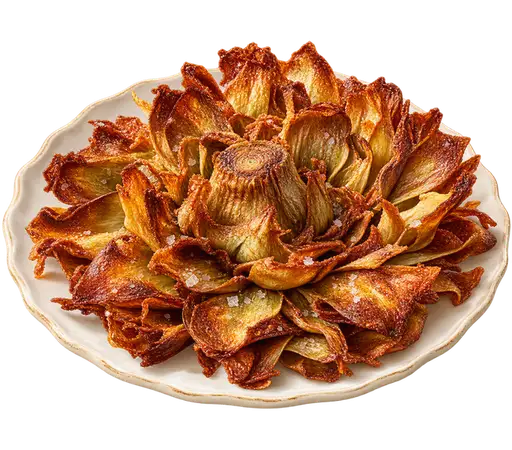 Twice-fried artichokesCarciofi alla giudiaThe same head opened out like a flower and fried twice in deep oil until every leaf snaps: the Ghetto's dish.
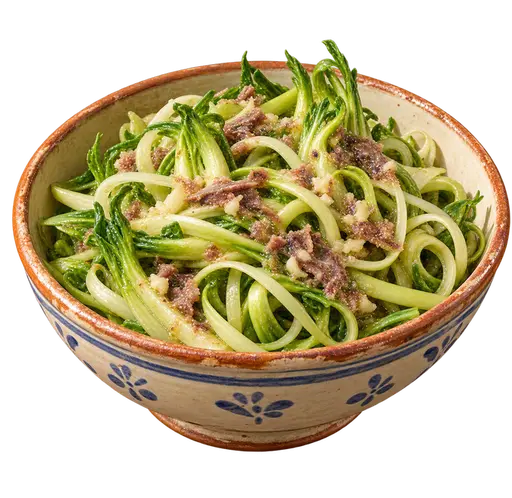 Chicory shoots with anchovyPuntarelle alla romanaCatalogna shoots split into curls in cold water and dressed with pounded anchovy, garlic and vinegar, a winter salad.
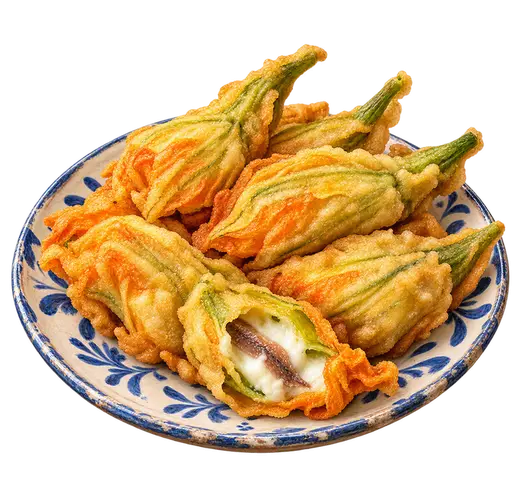 Fried courgette flowersFiori di zucca frittiCourgette flowers filled with mozzarella and a salted anchovy, dipped in thin batter and fried, sold here by the bunch.
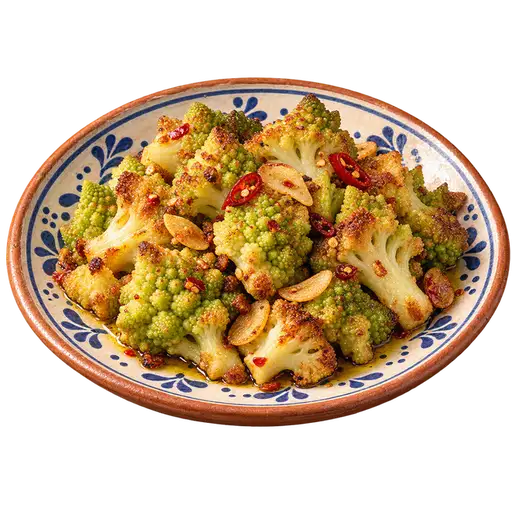 Romanesco broccoliBroccolo romanescoThe pale green spiralled head grown out in the Agro Romano, boiled first and then fried again with garlic and chilli.
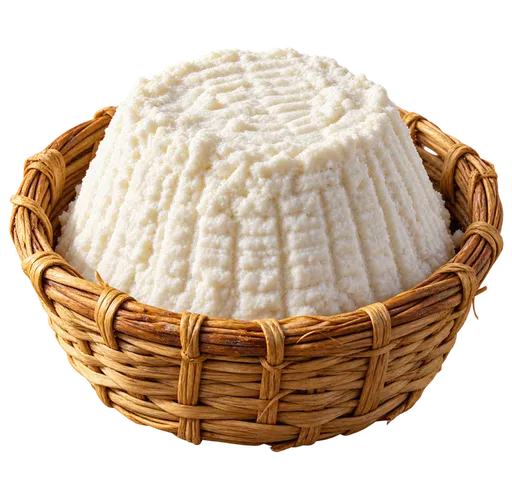 Sheep's milk ricottaRicotta romanaWhey heated a second time until soft curds rise, carried in from the dairies outside Rome in a rush basket that lets it drain.
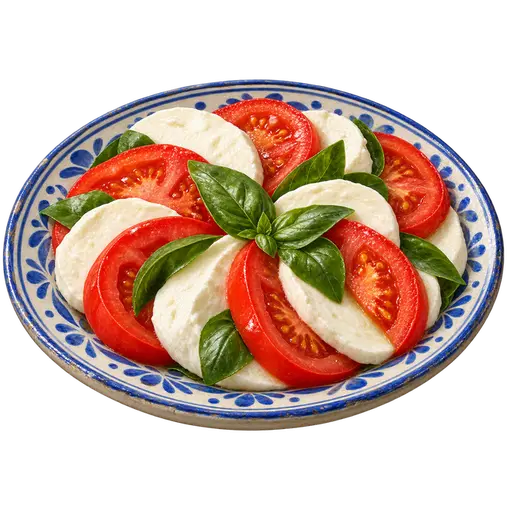 Tomato and mozzarella saladInsalata capreseTomato, mozzarella and basil laid out raw; a Capri dish of the 1920s, so later than the time of these stalls.
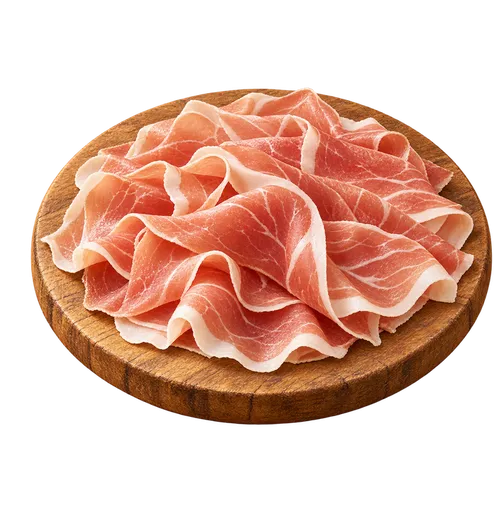 Parma hamProsciutto di ParmaPork legs from around Parma, only salted and then dried for many months in the hill air, sliced paper-thin to order.
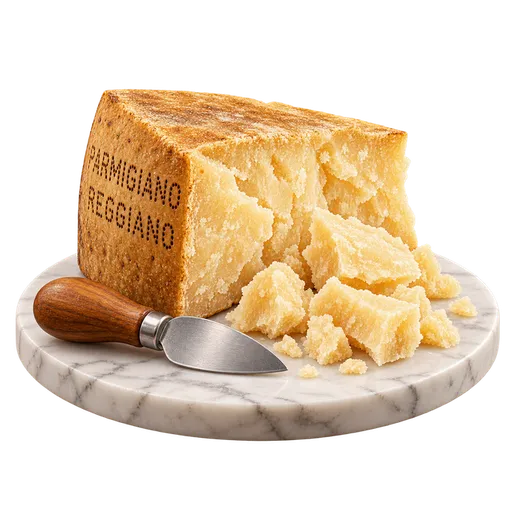 Parmigiano Reggiano · aged hard cheeseParmigiano ReggianoCow's milk from around Parma and Reggio, cooked, pressed into huge wheels and aged a year or more until it breaks into grainy chunks.